×
×
이 주간 브리핑은 화허 포크리프트 편집팀이 포춘 비즈니스 인사이트, 마켓샌드마켓스, 코히어런트 마켓 인사이트 등 검증된 산업 조사 기관의 데이터와 MHEDA(물류 장비 유통 협회) 및 미국 국립 안전 협의회가 공개한 안전 자료를 바탕으로 작성했습니다. 당사 팀은 디젤, LPG, 전기 플랫폼을 아우르는 산업용 포크리프트 제조 및 수출 분야에서 15년 이상의 실무 경험을 보유하고 있습니다.
이번 주 물류 처리 산업을 특징짓는 세 가지 동향이 있습니다: 포크리프트 플리트에서 납산 배터리에서 리튬이온 배터리로의 전환이 가속화되고 있는 점; 자율 및 반자율 포크리프트의 시장 확대가 지속되고 있는 점; 그리고 더 우수한 장비가 곧바로 사망 사고 감소로 이어진다는 통념을 도전하는 충격적인 안전 보고서입니다. 각 동향은 전 세계의 플리트 관리자, 조달 담당자, 창고 운영자에게 직접적인 영향을 미칩니다.
포춘 비즈니스 인사이트(Fortune Business Insights, 2026년 8월)에 따르면, 글로벌 지게차 배터리 시장은 2026년 64억 5천만 달러에서 2034년까지 116억 8천만 달러로 성장할 전망임 이는 연평균 성장률(CAGR)로 약 7.7%을 의미함. 코히어런트 마켓 인사이트(Coherent Market Insights, 2026년 6월)의 별도 보고서는 2026년 시장 규모를 약 65억 달러로 추정하며, 이 수치를 뒷받침함.
이 시장 내에서 리튬이온 지게차 배터리는 훨씬 더 빠른 속도로 성장하고 있음 — 업계 조사 자료를 인용한 링크드인 펄스(LinkedIn Pulse) 분석에 따르면, 2033년까지 예상 CAGR은 13.2% 이며, 이는 전체 배터리 시장 성장률의 거의 두 배에 달함.
이 성장은 기술에 대한 열광만으로 이뤄지는 것이 아니다. 이는 총 소유 비용(TCO) 산정 방식의 근본적 전환을 반영한다. 헤비 베이클 인스펙션(HVI, 2026년 5월 보고서)에 따르면, 5~8년 기준으로 리튬이온 배터리는 고부하·다중 교대 운영 환경에서 납산 배터리 대비 tCO가 30~50% 낮다 — 그리고 가장 집중적인 적용 사례에서는 최대 60%까지 낮아진다.
경제성 분석은 다음과 같다:
|
비용 요인 |
납산 |
리 이온 |
|
초기 배터리 비용 |
낮음(~ 6,000) |
높음(~ 25,000+) |
|
유지 보수 요구사항 |
주간 물 보충 및 균등화 충전 |
최소 |
|
충전 유연성 |
완전 충전 사이클 필요 |
기회 충전 지원 |
|
사이클 수명 |
약 1,000~1,500 사이클 |
약 3,000~5,000 사이클 |
|
5~8년 총 소유 비용(다중 교대 운영) |
높음 |
30–60% 저렴함 |
출처: 링크드인 펄스 / HVI 앱 2026; 어소시에이티드 솔루션즈 2026
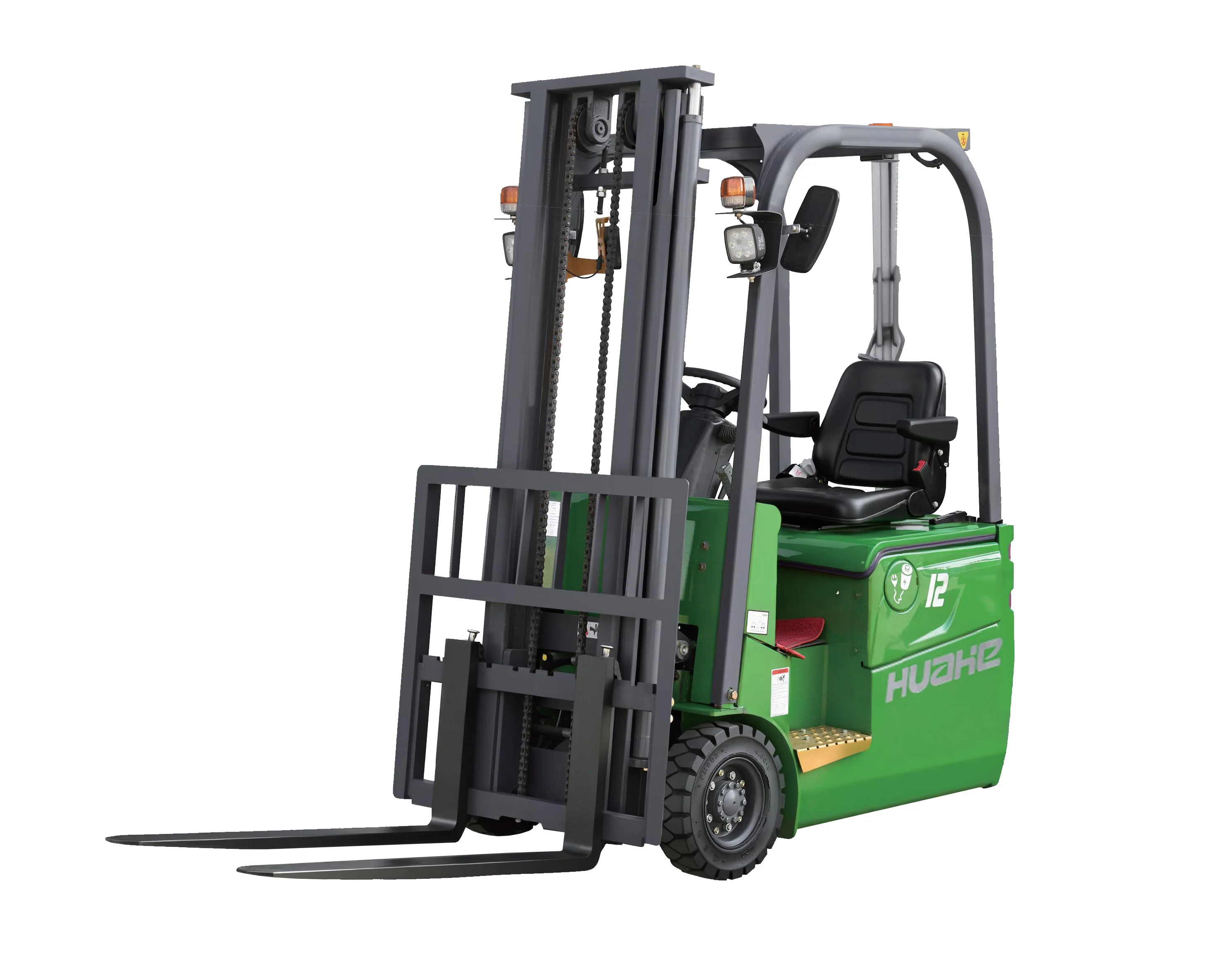
화허에서는 다중 교대 창고 환경에서 고객들이 납산 배터리의 숨겨진 비용—충전 중 가동 중단, 물 보충을 위한 인건비, 조기 배터리 교체—를 부담하고 있다는 점에 주목해 HEF15S 리튬 전기 포크리프트를 도입했습니다. 리튬 배터리의 초반 프리미엄 가격은 회수되지만, 회수 기간은 교대 강도와 운용 차량 수에 따라 크게 달라집니다. 단일 교대·저처리량 운영에서는 여전히 납산 배터리가 합리적인 선택일 수 있습니다. 자사의 실제 작동 주기를 정확히 파악하는 것이 출발점입니다.
자율 주행 포크리프트 시장은 2026년 31억 7천만 달러에서 2033년까지 60억 7천만 달러로 성장할 전망 연평균 성장률(CAGR)은 9.7%마켓앤마켓(MarketsandMarkets) 보고서(2026년 6월)에 따르면, 이 시장은 2026년 기준으로 73억 달러 규모이다. 비즈니스 리서치 컴퍼니(The Business Research Company)의 별도 전망 자료는 동일한 2026년 시장 규모를 87억 6천만 달러로 추정하고 있으며(다른 분석 방법과 범위 정의로 인해 다소 높은 수치), 2030년까지 연평균 성장률(CAGR) 12.0%로 137억 9천만 달러에 도달할 것으로 전망한다.
어느 기준을 사용하든 방향성은 일관되게 나타난다. 즉, 자율 물류 처리 기술은 시범 운영 단계에서 본격적인 조달 단계로 전환 중이다.
창고 자동화 관련 주문 수요 전반은 2026년에 강력히 회복되고 있으며, 장기 연평균 성장률(CAGR) 전망치는 약 8% 수준이다(인터액트 애널리시스(Interact Analysis); CFO 다이브(CFO Dive), 2026).
세 가지 요인이 동시에 작용하고 있다.
1. 노동 시장 압박 숙련된 지게차 운전자는 대부분 주요 시장에서 여전히 채용 및 유지를 어렵게 하고 있다. 자동화는 운전원의 가용성에 대한 의존도를 낮춘다.
2. 리튬-전기 호환성 자동 유도 포크리프트(AGF)와 자율 이동 로봇(AMR)은 압도적으로 리튬 전원을 사용한다. 예측 가능한 방전 곡선 덕분에 자율 시스템에서 배터리 상태 추정이 실현 가능하다. 리튬 기술의 급성장과 자동화의 급성장은 서로 독립된 흐름이 아니다.
3. 센서 비용 감소 지난 4년간 LIDAR, 깊이 카메라, 엣지 컴퓨팅 하드웨어 가격이 크게 하락하여 중규모 창고에서도 완전 자율 솔루션을 도입할 수 있게 되었다.
완전 자율 포크리프트 도입은 여전히 복잡하다. 기존 창고 관리 시스템(WMS)과의 연동, 바닥 배치 변경, 안전 인증 등은 상당한 도입 비용과 기간을 초래한다. 대부분의 소규모 및 중규모 창고의 경우 부분 자동화 — 즉, 인간 운전 포크리프트에 차량 군 관제 시스템, 근접 감지 기능, 반자동 팔레트 취급 기능을 보조로 제공하는 방식 — 이 더 현실적인 단기적 접근 경로이다.
운송대 관리자들이 고민해야 할 질문은 "자동화를 도입해야 할까?"가 아니라 "우리 운영의 어느 분야가 자동화에 가장 먼저 적합한가? 그리고 투자 결정을 정당화할 수 있는 투자수익률(ROI) 기준은 얼마인가?"이다.
MHEDA가 발표한 2026년 국립 포크리프트 안전의 날 보고서는 미국 국립안전위원회(NSC) 및 노동통계국(BLS) 자료를 인용하여 다음 사항을 기록하였다. 최근 측정 기간 동안 포크리프트, 오더피커 또는 동력식 플랫폼 관련 사고로 인한 근로자 사망자 수는 84명 으로, 전년 대비 증가한 수치이다. 이 수치는 NSC 인저리팩츠(Injury Facts) 데이터베이스에서도 확인되며, 2024년도 데이터 역시 동일한 84명의 사망자를 기록하고 있다.
산업 분석 기관(Voxel AI, 2026년 3월)의 추가 분석 자료에 따르면, 포크리프트 관련 사망자 수는 최근 몇 년간 약 30% 증가 하였다. 이 추세는 근접 센서, 속도 제한 장치, 운전자 자격 인증 의무화 등 다양한 기술이 광범위하게 도입되었음에도 지속되고 있다.
사망 사고 데이터는 장비 성능과 실제 운영 간 격차를 보여준다. 안전 관련 문헌에서 자주 언급되는 주요 원인은 다음과 같다.
운전자 재인증 미흡
보행자-차량 상호작용 실패
익숙한 환경에서의 방심
교대 근무 전달 누락
안전은 기능이 아니라 체계다. 충돌 회피 센서가 장착된 지게차라도, 훈련이 부족한 운전자가 표시되지 않은 보행자 구역에서 이를 운행한다면 안전한 운영이라고 볼 수 없다. 효과적인 프로그램은 다음 요소를 결합해야 한다.
1. 사전 점검 절차 및 서면 확인 절차
2. 정기적(단순 초임 시기가 아님) 운전자의 재자격 인증 — 미국 직업안전보건청(OSHA)은 위험한 행동이 관찰되거나 사고·사고 조짐이 발생했을 때, 혹은 작동 조건이 변경되었을 때 평가를 실시할 것을 권고함
3. 보행자 구역과 차량 구역 간 물리적 분리 — 표지판 및 바닥 마킹으로 강제 시행
4. 사고 조짐(near-miss)을 은폐하지 않고 기록하는 사고 보고 문화
금년도 84명의 사망자는 모두 예방 가능한 사건이다. 이러한 작업을 더 안전하게 만들 수 있는 장비는 이미 존재한다. 문제는 기술 부족이 아니라 운영상의 실행 격차다.
|
추세 |
신호 |
의미 |
|
리튬 배터리 시장 성장률(연평균 성장률 7.7–13.2%) |
채택 속도 가속화 |
총 소유 비용(TCO)을 단순 초기 구매 가격이 아닌 5–8년 기준으로 평가 |
|
자율 주행 지게차 시장(연평균 성장률 9.7%) |
주류 전환 과정 진행 중 |
가장 높은 가치를 지닌 자동화 도입 포인트 식별 |
|
2026년 지게차 관련 사망 사고 84건 |
기술 발전에도 불구하고 안전 격차 지속 |
안전 격차 해소에는 장비 업그레이드뿐 아니라 운영 규율이 필수적 |
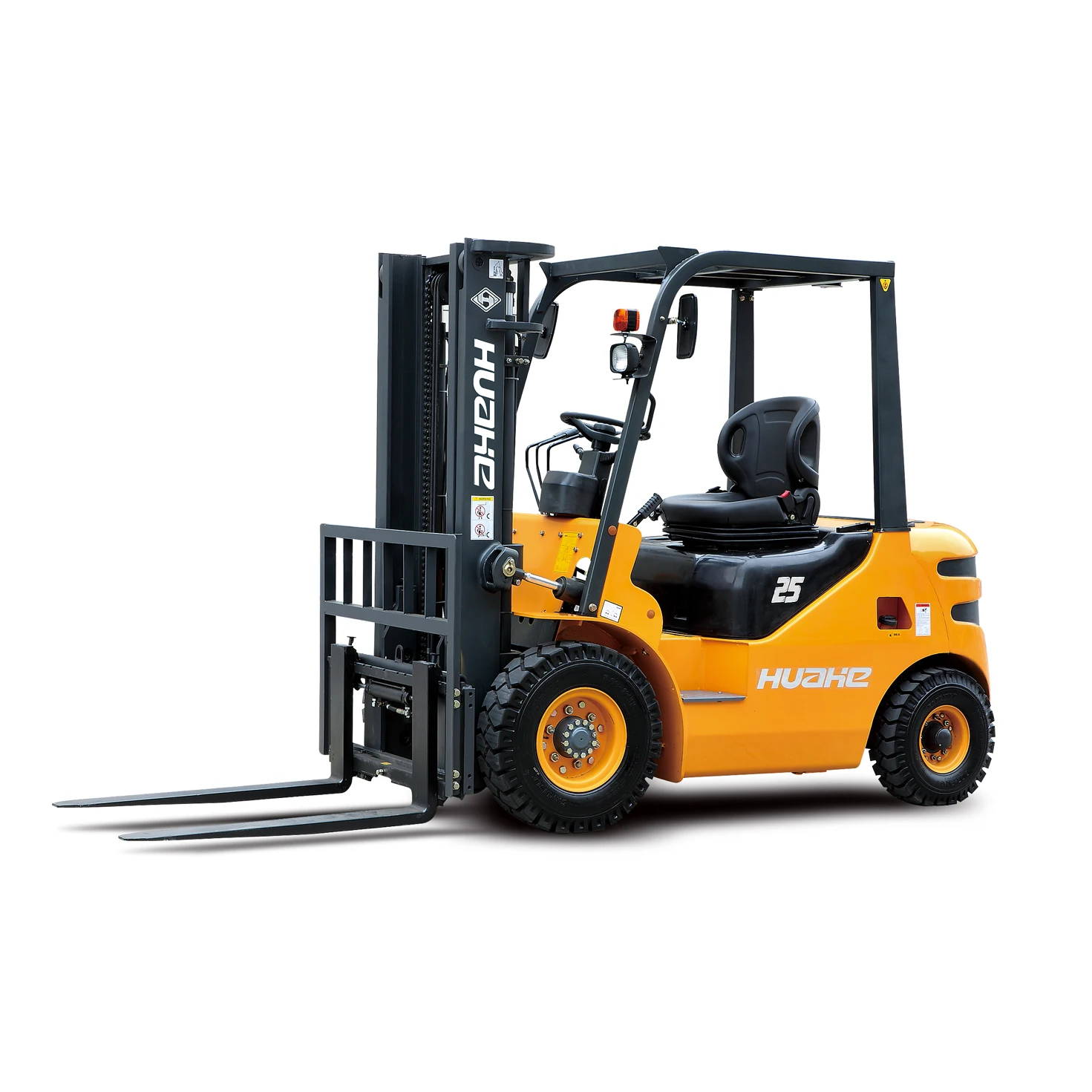
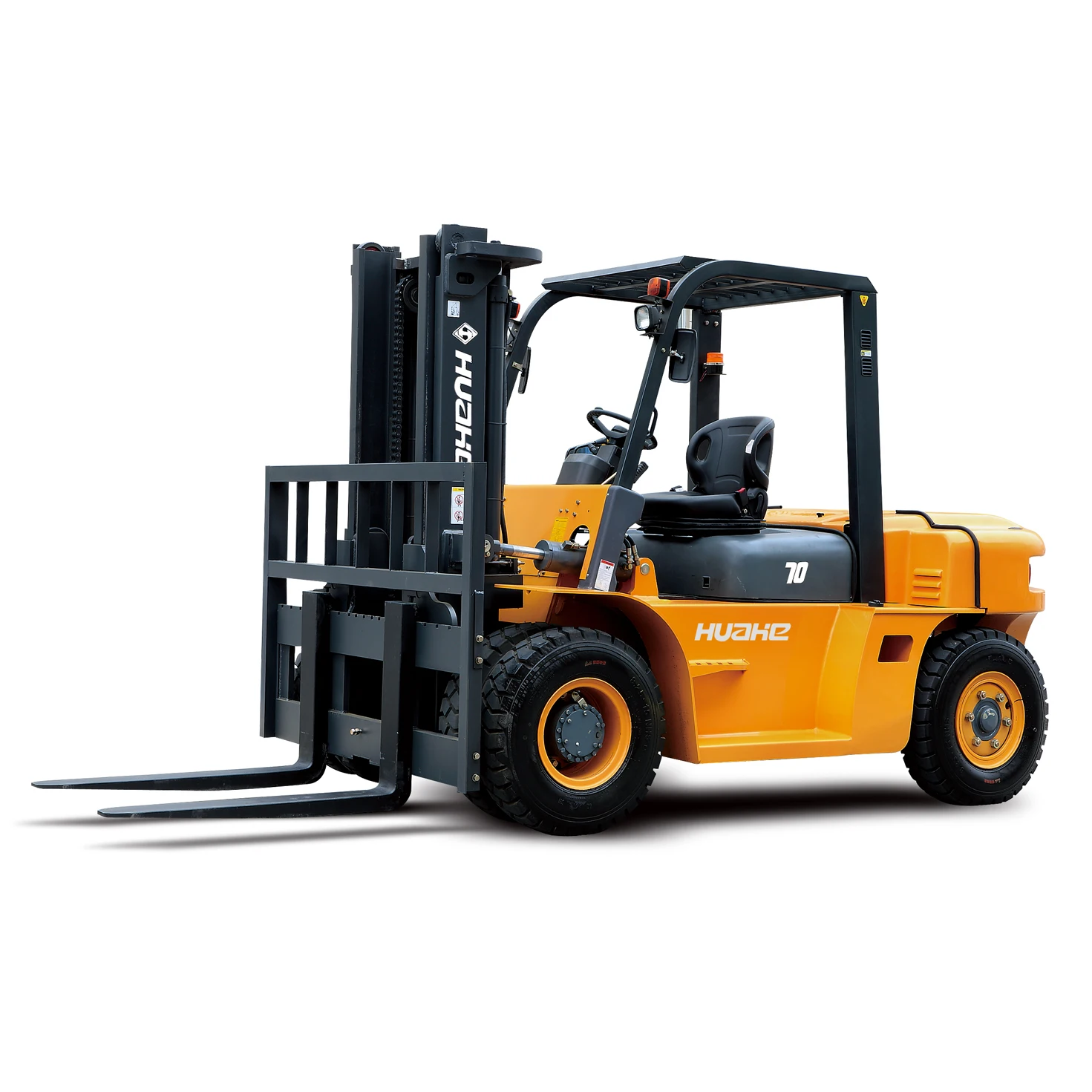
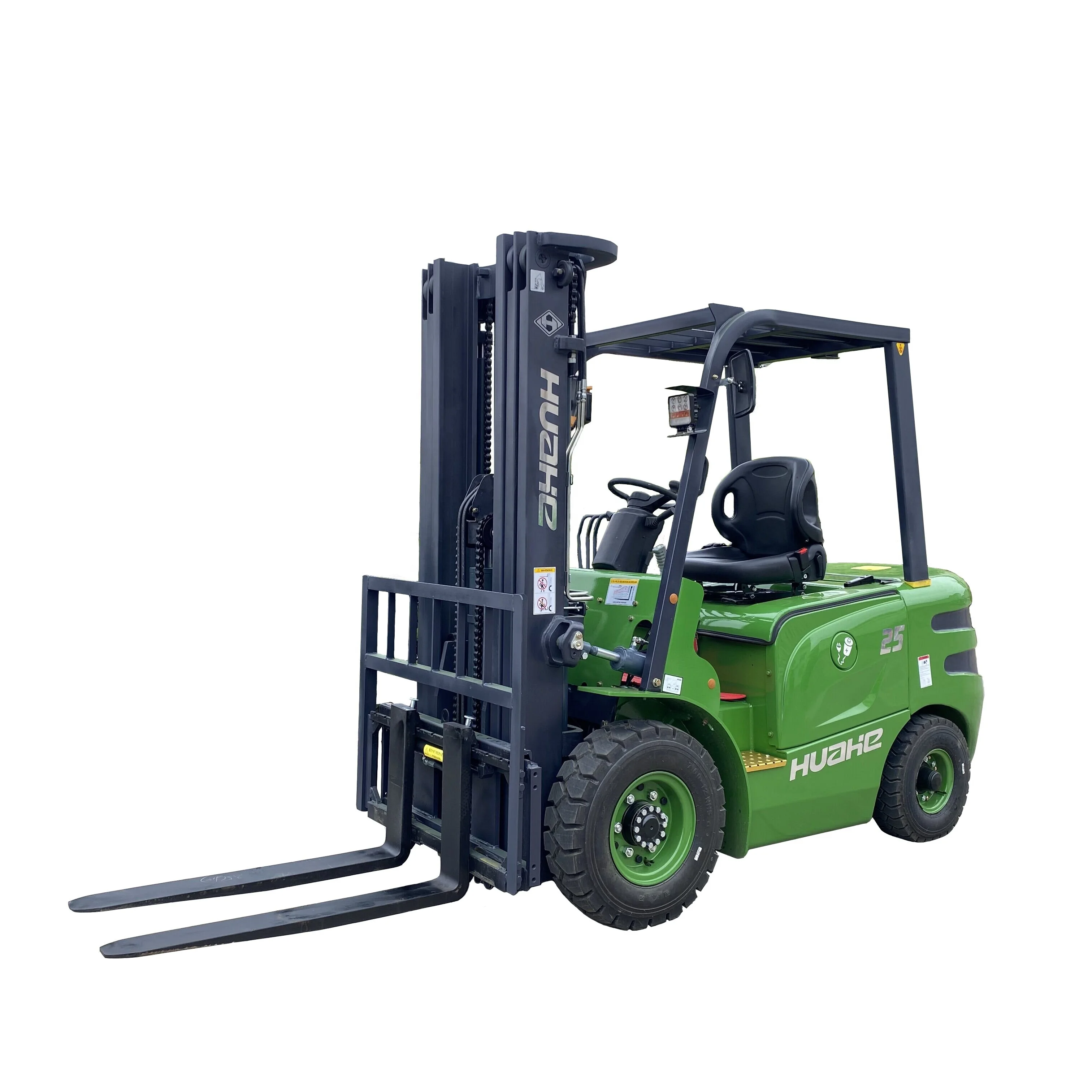
화허는 중국 기반 지게차 제조업체로, 디젤·액화석유가스(LPG)·전기 플랫폼 등 다양한 동력 방식에서 15년 이상의 생산 경험을 보유하고 있으며, 3.5톤에서 10톤까지의 오프로드용 모델과 HEF15S 리튬 이온 전기 시리즈를 포함한다. 당사는 동남아시아, 중동, 유럽, 아프리카 지역의 B2B 고객에게 제품을 공급하며, CE 및 ISO 9001 인증을 취득하였다.
차량군 선정 가이드, 기술 사양, 수출 문의 등은 당사 팀에 직접 연락하시기 바란다.
자료 출처: 포춘 비즈니스 인사이트(2026년 8월) | 마켓스앤마켓스(2026년 6월) | 코히어런트 마켓 인사이트(2026년 6월) | MHEDA/내셔널 세이프티 카운슬(2026년) | 헤비 베이클 인스펙션 앱(2026년 5월) | 인터랙트 애널리시스 | CFO 다이브(2026년)
이 기사는 2026년 9월 기준으로 공개된 시장 자료를 반영한 것이다. 시장 전망은 본질적으로 불확실성을 내포하고 있으므로, 원본 출처 보고서와 함께 종합적으로 평가해야 한다.
 최신 소식
최신 소식2026-04-20
2026-04-15
2026-02-02
2026-01-28
2026-01-16
2026-10-16
Copyright © 2026 by ZHEJIANG HUAHE FORKLIFT CO.,LTD — 개인정보 보호 정책

 EN
EN