×
×
يُعِدّ هذا الملخّص الأسبوعي فريق تحرير شركة هواه فوركليفت، مستندًا إلى بيانات من شركات بحثية صناعية موثوقة، منها فورتشن بيزنس إنسايتس، وماركتس آند ماركتس، وكوهيرنت ماركت إنسايتس، وكذلك بيانات السلامة الصادرة عن رابطة موزِّعي معدات المناولة (MHEDA) والمجلس الوطني الأمريكي للسلامة. ويملك فريقنا أكثر من ١٥ سنة من الخبرة العملية في تصنيع وتصدير الرافعات الشوكية الصناعية عبر المنصات الديزلية وذات الوقود المسال (LPG) والكهربائية.
ثلاثة تطورات حددت قطاع معدات المناولة هذا الأسبوع: التحوّل المتسارع من أنظمة الطاقة بالرصاص-حمض إلى أنظمة الليثيوم-أيون في أساطيل الرافعات الشوكية؛ والتوسّع المستمر في سوق الرافعات الشوكية ذاتية القيادة وشبه ذاتية القيادة؛ وتقرير سلامةٍ مُقلق يُشكّك في الفرضية القائلة إن تحسّن المعدات يُفضي تلقائيًّا إلى انخفاض عدد الوفيات. ولكل اتجاهٍ من هذه الاتجاهات آثارٌ مباشرة على مدراء الأساطيل وأفراد فرق المشتريات ومشغِّلي المستودعات في جميع أنحاء العالم.
وفقًا لتحليل شركة فورتشن بيزنس إنسيتس (أغسطس ٢٠٢٦)، من المتوقع أن ينمو سوق بطاريات الرافعات الشوكية العالمي من ٦,٤٥ مليار دولار أمريكي في عام ٢٠٢٦ إلى ١١,٦٨ مليار دولار أمريكي بحلول عام ٢٠٣٤ ، ممَّا يمثل معدل نمو سنوي مركب (CAGR) قدره 7.7%، بينما قدَّر تقريرٌ موازٍ صادر عن شركة كوهيرنت ماركت إنسيتس (يونيو ٢٠٢٦) حجم السوق في عام ٢٠٢٦ بنحو ٦,٥٠ مليار دولار أمريكي، ما يؤكِّد هذه الأرقام.
وفي إطار هذا السوق، تنمو بطاريات الليثيوم-أيون الخاصة بالرافعات الشوكية بمعدل أسرع بكثير — حيث يبلغ المعدل السنوي المركب المتوقَّع ١٣,٢٪ حتى عام ٢٠٣٣ ، وفق تحليل لينكدإن بولس المستند إلى أبحاث قطاعية. وهذا المعدل يفوق معدل نمو سوق البطاريات الأوسع نطاقًا بنسبة تقارب الضعف.
النمو ليس مدفوعًا فقط بالحماس التكنولوجي. بل يعكس تحولًا جوهريًّا في حسابات التكلفة الإجمالية للملكية (TCO). ووفقًا لتقرير فحص المركبات الثقيلة (مايو ٢٠٢٦)، فإن بطاريات الليثيوم-أيون تُحقِّق خلال أفق زمني يتراوح بين ٥ و٨ سنوات انخفاضًا بنسبة ٣٠–٥٠٪ في التكلفة الإجمالية للملكية مقارنةً ببطاريات الرصاص-حمض في العمليات عالية الاستخدام والمتعددة الورديات — وبحد أقصى انخفاض بنسبة ٦٠٪ في أكثر التطبيقات كثافة.
وتتوزَّع الجوانب الاقتصادية على النحو التالي:
|
عوامل التكلفة |
رصاصي |
ليثيوم-أيون |
|
التكلفة الأولية للبطارية |
أقل (~ 6,000) |
أعلى (~ 25,000+) |
|
متطلبات الصيانة |
سقي البطارية أسبوعيًّا، وشحن مُعادلة الجهد |
الحد الأدنى |
|
مرونة الشحن |
يتطلب دورات شحن كاملة |
يدعم الشحن الفرصة |
|
دورة الحياة |
حوالي ١٠٠٠–١٥٠٠ دورة |
حوالي ٣٠٠٠–٥٠٠٠ دورة |
|
تكلفة الملكية الإجمالية (TCO) لفترة ٥–٨ سنوات (لعمليات متعددة الورديات) |
أعلى |
أقل بنسبة ٣٠–٦٠٪ |
المصدر: LinkedIn Pulse / تطبيق HVI ٢٠٢٦؛ حلول مُرتبطة ٢٠٢٦
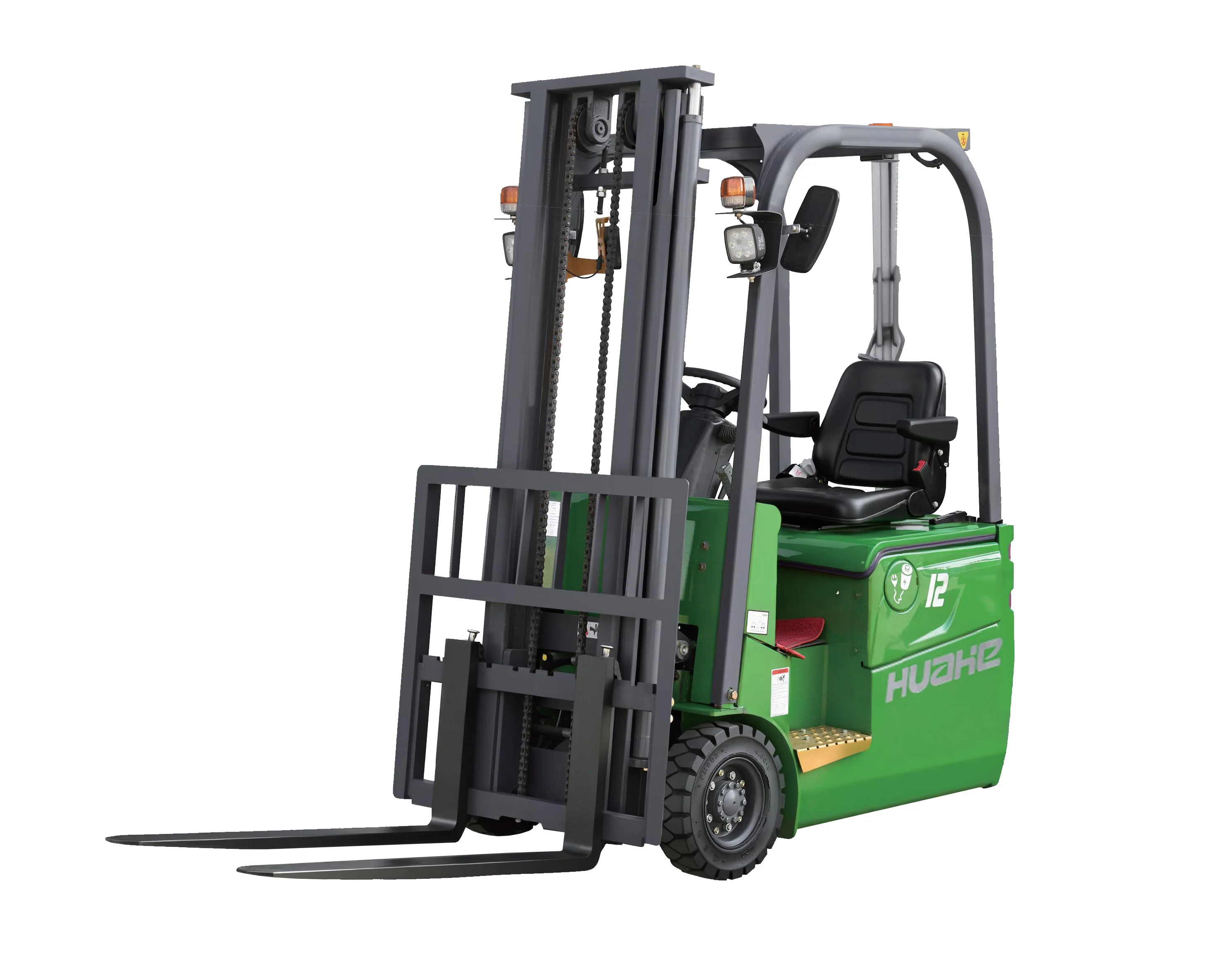
في شركة هواه، قدمنا رافعة شوكية كهربائية ليثيوم طراز HEF15S خصيصًا لأن العملاء في بيئات المستودعات التي تعمل بورديات متعددة كانوا يدفعون تكاليفًا خفية مرتبطة ببطاريات الرصاص-حمض: توقف التشغيل أثناء الشحن، وتكاليف عمالة الصيانة المتعلقة بإضافة الماء، والاستبدال المبكر للبطاريات. إن الزيادة الأولية في سعر الليثيوم تُعوَّض — لكن فترة الاسترداد تتفاوت بشكل كبير حسب كثافة الورديات وحجم الأسطول. أما في العمليات ذات الوردية الواحدة ومنخفضة الإنتاجية، فقد تظل بطاريات الرصاص-حمض الخيار المنطقي. وفهم دورة العمل الخاصة بك هو النقطة الانطلاقية.
من المتوقع أن ينمو سوق الرافعات الشوكية الذاتية القيادة من ٣,١٧ مليار دولار أمريكي في عام ٢٠٢٦ إلى ٦,٠٧ مليار دولار أمريكي بحلول عام ٢٠٣٣ بمعدل نمو سنوي مركب قدره 9.7%وفقًا لشركة MarketsandMarkets (يونيو ٢٠٢٦). أما تقدير منفصل أصدرته شركة The Business Research Company فيقدّر حجم السوق عام ٢٠٢٦ بـ ٨,٧٦ مليار دولار أمريكي (وهو رقم أعلى يعكس اختلافات في المنهجية وتعريفات النطاق)، مستهدفًا الوصول إلى ١٣,٧٩ مليار دولار أمريكي بحلول عام ٢٠٣٠ بمعدل نمو سنوي مركب قدره ١٢,٠٪.
وبغض النظر عن القاعدة المرجعية المستخدمة، فإن الإشارة التوجهية متسقة: فالتقنيات الآلية في مجال المناولة تنتقل من عمليات النشر التجريبي إلى الشراء الواسع النطاق.
أما إجمالي طلبات أنظمة أتمتة المستودعات فهو يشهد انتعاشًا قويًّا عام ٢٠٢٦، مع توقعات بمعدل نمو سنوي مركب على المدى الطويل يبلغ نحو ٨٪ (Interact Analysis؛ CFO Dive، ٢٠٢٦).
تتضافر ثلاثة عوامل:
1. الضغوط في سوق العمل. لا يزال من الصعب توظيف مشغِّلي الرافعات الشوكية المؤهلين والاحتفاظ بهم في معظم الأسواق الرئيسية. وتقلل الأتمتة الاعتماد على توفر المشغلين.
2. التوافق مع أنظمة الليثيوم-كهربائية. تَعْمَلُ رافعات التوجيه الآلي (AGFs) والروبوتات المتنقلة المستقلة (AMRs) بشكلٍ ساحقٍ على طاقة الليثيوم — فمنحنيات التفريغ المتوقعة تجعل تقدير حالة البطارية ممكنًا للأنظمة المستقلة. وليست طفرة الليثيوم وطفرة الأتمتة اتجاهين مستقلين.
3. انخفاض تكلفة أجهزة الاستشعار. انخفضت أسعار أجهزة الليدار وكاميرات العمق وأجهزة الحوسبة الطرفية بشكلٍ كبيرٍ خلال السنوات الأربع الماضية، ما جعل حلول الأتمتة الكاملة في المتناول لمخازن المتوسطة الحجم.
يبقى نشر الرافعات الشوكية المستقلة بالكامل معقدًا. فدمجها مع أنظمة إدارة المخازن (WMS) القائمة، وتعديل تخطيط الأرضية، وشهادات السلامة يُحدث تكاليفٍ كبيرةً ويزيد من المدة الزمنية اللازمة للتنفيذ. ولأغلب المخازن الصغيرة والمتوسطة، الأتمتة الجزئية — أي الرافعات الشوكية التي يقودها بشرٌ، لكنها مدعومة بتقنيات تتبع الأساطيل، واستشعار القرب، ومناولة البالتات شبه الآلية — تمثّل المسار الأكثر قابليةً للتحقيق على المدى القريب.
السؤال المطروح أمام مدراء الأساطيل ليس «هل ينبغي علينا أتمتة العمليات؟»، بل «أي قطاع من عملياتنا يُعدّ الأنسب للأتمتة أولًا، وما عتبة العائد على الاستثمار التي تبرر هذه الاستثمارات؟»
أفاد تقرير يوم السلامة الوطني للرافعات الشوكية لعام ٢٠٢٦، الذي نشرته رابطة مورِّدي المعدات الصناعية (MHEDA) مستندًا إلى بيانات مجلس السلامة الوطني ومكتب إحصاءات العمل، بأنَّه سجَّل ٨٤ حالة وفاة لعاملين في حوادث تورَّطت فيها رافعات شوكية أو آلات اختيار الطلبات أو منصات كهربائية خلال أحدث فترة قياس — أي بزيادة عن العام السابق. ويؤكِّد هذا الرقم قاعدة بيانات «حقائق الإصابات» التابعة لمجلس السلامة الوطني (NSC)، التي تسجِّل نفس عدد الوفيات البالغ ٨٤ حالة لبيانات عام ٢٠٢٤.
ويشير سياق إضافي من تحليلات القطاع (شركة فوكسل الذكائية، مارس ٢٠٢٦) إلى أنَّ وفيات العاملين جرَّاء الحوادث المرتبطة بالرافعات الشوكية ازدادت بنسبة تقريبية تبلغ ٣٠٪ على مدار السنوات القليلة الماضية — وهي ظاهرة استمرَّت رغم الاعتماد الواسع النطاق لمُستشعِرات القرب ومحدِّدات السرعة واشتراطات اعتماد المشغلين.
تشير بيانات الوفيات إلى فجوة بين قدرة المعدات والممارسة التشغيلية. وتشمل العوامل المساهمة الشائعة المذكورة في الأدبيات المتعلقة بالسلامة ما يلي:
إعادة اعتماد المشغلين بشكل غير كافٍ
أعطال في التفاعل بين المشاة والمركبات
الاستهانة بالمخاطر في البيئات المألوفة
الفجوات في تسليم الوردية
السلامة نظامٌ وليس ميزةً. فتشغيل رافعة شوكية مزوَّدة بأجهزة استشعار لتجنب الاصطدامات من قِبل سائق غير مؤهَّل كفاية في منطقة مشاة غير مُعلَّمة لا يُعَدُّ عملية آمنة. أما البرامج الفعَّالة فهي تجمع بين:
١. بروتوكولات التفتيش قبل بدء النوبة مع توقيع موثَّق
٢. إعادة اعتماد المشغلين بشكل دوري (وليس فقط في البداية) — وتوصي إدارة السلامة والصحة المهنية (OSHA) بتقييم الأداء عند ملاحظة سلوك غير آمن، أو بعد وقوع حادث أو حادث وشيك، أو عند تغيُّر ظروف التشغيل
٣. الفصل المادي بين مناطق المشاة ومناطق المركبات، مع إنفاذ ذلك عبر لافتات وعلامات أرضية
٤. ثقافة الإبلاغ عن الحوادث بحيث تُسجَّل الحوادث الوشيكة بدلًا من كبحها
تمثل حالات الوفاة الثمانية والأربعون هذا العام ٨٤ حدثًا يمكن تجنُّبه. والمعدات اللازمة لجعل هذه العمليات أكثر أمانًا متوافرة بالفعل. أما الفجوة في التنفيذ فهي تشغيلية وليست تقنية.
|
الاتجاه |
إشارة |
النتيجة |
|
نمو سوق بطاريات الليثيوم (معدل النمو السنوي المركب: ٧,٧٪ إلى ١٣,٢٪) |
تسارع في معدل التبنِّي |
قيِّم التكلفة الإجمالية للملكية على مدى ٥ إلى ٨ سنوات، وليس السعر الأولي فقط |
|
سوق الرافعات الشوكية المستقلة (معدل النمو السنوي المركب ٩,٧٪) |
الانتقال إلى التيار السائد جارٍ بالفعل |
حدد نقاط الدخول الأعلى قيمةً في مجال الأتمتة |
|
٨٤ حالة وفاة ناجمة عن الرافعات الشوكية في عام ٢٠٢٦ |
ما زال هناك فجوة في السلامة رغم التقدُّم التكنولوجي |
الانضباط التشغيلي، وليس ترقية المعدات وحدها، هو ما يُغلق هذه الفجوة |
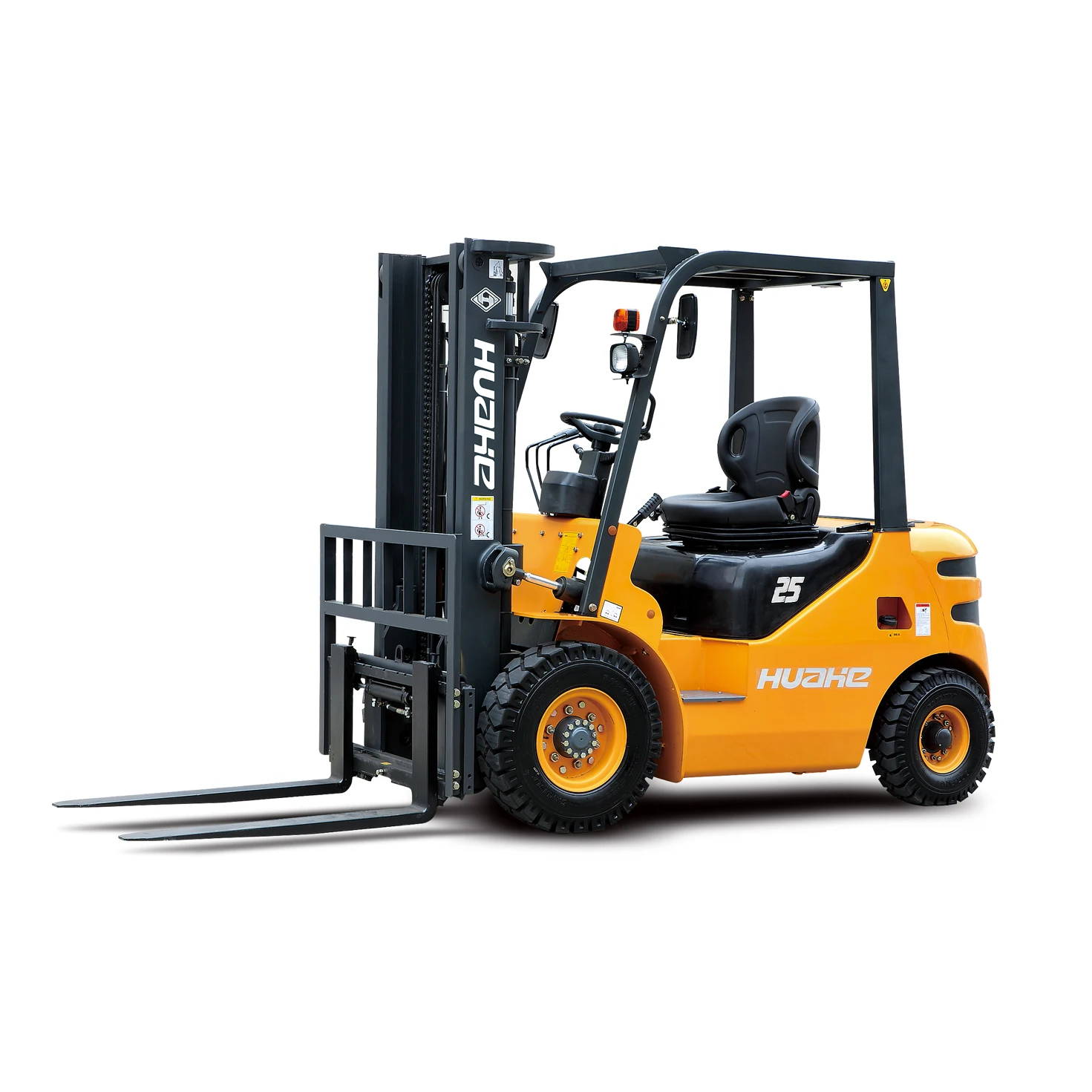
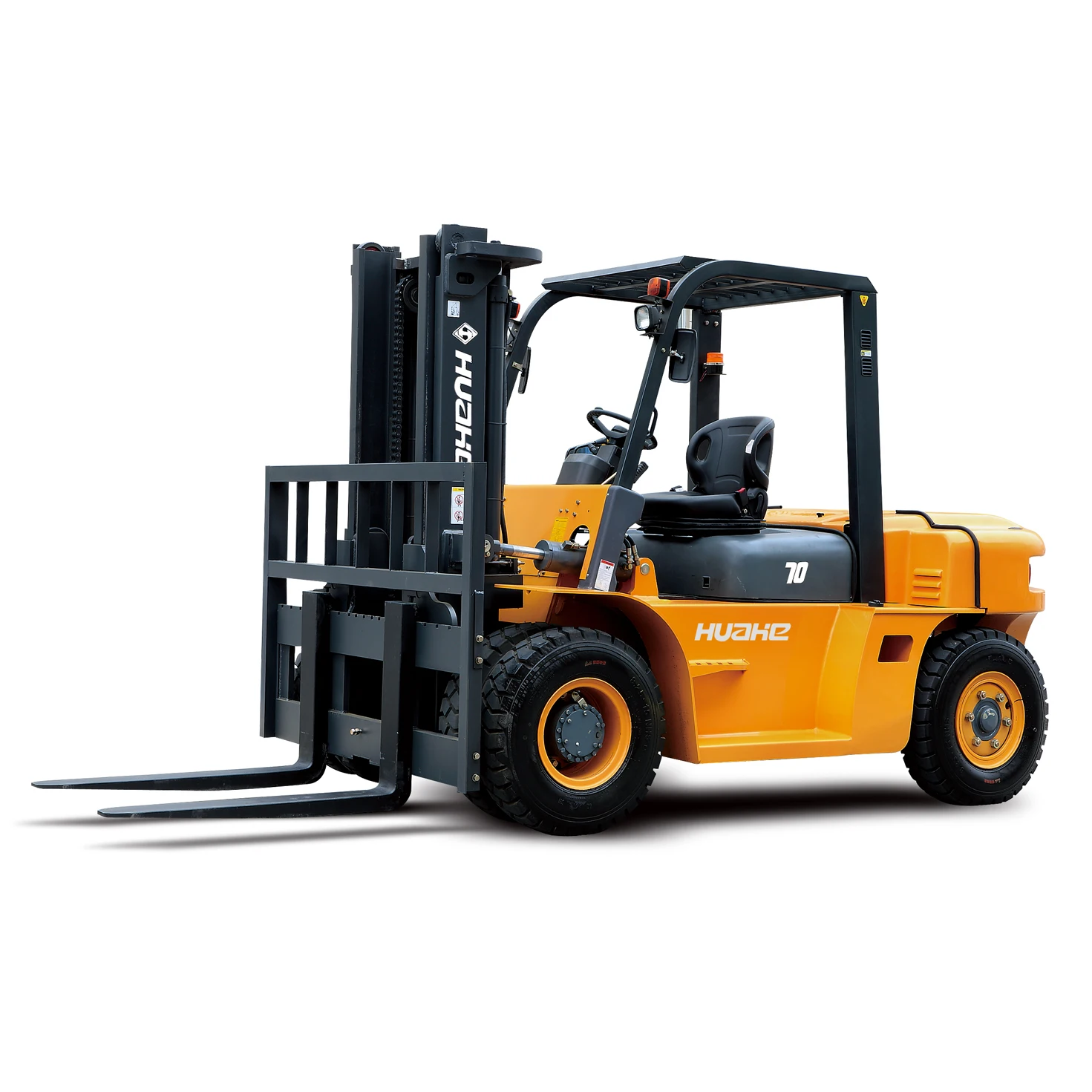
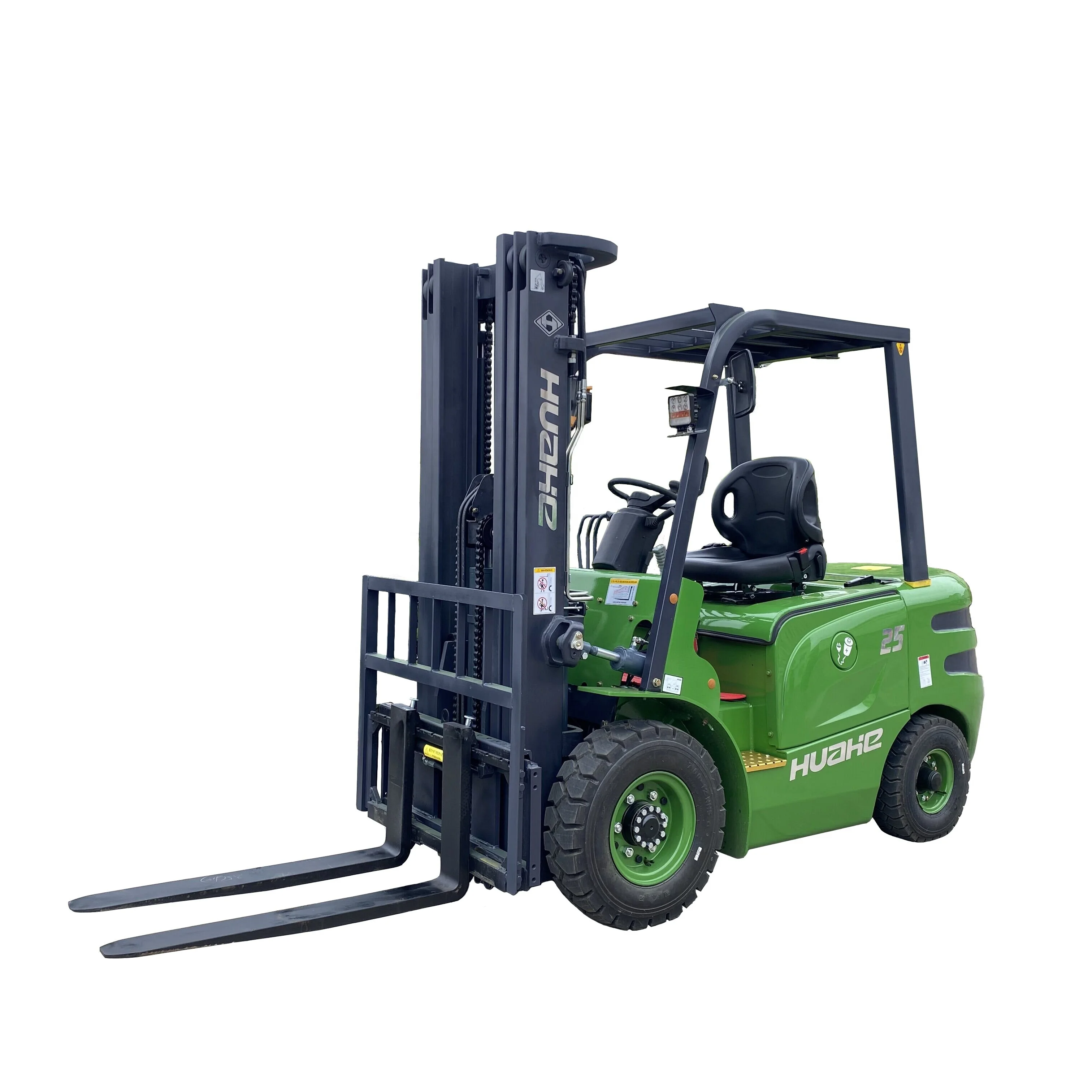
هواهه هي شركة صينية مصنِّعة للرافعات الشوكية، وتتمتع بأكثر من ١٥ سنة من الخبرة في الإنتاج عبر منصات الديزل والغاز البترولي المسال والكهربائية — بما في ذلك طرازات الرافعات الشوكية للمناطق الوعرة بسعة تتراوح بين ٣,٥ و١٠ أطنان، ومجموعة هيف ١٥إس الكهربائية الليثيومية. ونورد عملاءنا من الشركات إلى الشركات في جنوب شرق آسيا والشرق الأوسط وأوروبا وأفريقيا، ونمتلك شهادات تشمل سي إي وآيزو ٩٠٠١.
للحصول على إرشادات بشأن اختيار الأساطيل أو المواصفات الفنية أو الاستفسارات المتعلقة بالتصدير، يُرجى التواصل مباشرةً مع فريقنا.
مصادر البيانات: فورتشن بيزنس إنسيتس (أغسطس ٢٠٢٦) | ماركتس آند ماركتس (يونيو ٢٠٢٦) | كوهيرنت ماركت إنسيتس (يونيو ٢٠٢٦) | رابطة معدات المناولة (إم.هـ.إي.دي.إيه) / المجلس الوطني للسلامة (٢٠٢٦) | تطبيق فحص المركبات الثقيلة (مايو ٢٠٢٦) | إنترأكت أناليسيس | سي.إف.أو دايف (٢٠٢٦)
تعكس هذه المقالة بيانات السوق المتاحة علنًا حتى سبتمبر ٢٠٢٦. وتنطوي توقعات السوق على عدم يقينٍ جوهريٍّ، ويجب تقييمها جنبًا إلى جنب مع التقارير الصادرة عن المصادر الأولية.
 أخبار عاجلة
2026-04-20
2026-04-15
2026-02-02
2026-01-28
2026-01-16
2026-10-16
Copyright © 2026 by ZHEJIANG HUAHE FORKLIFT CO.,LTD — سياسة الخصوصية

 EN
EN