
 EN
EN



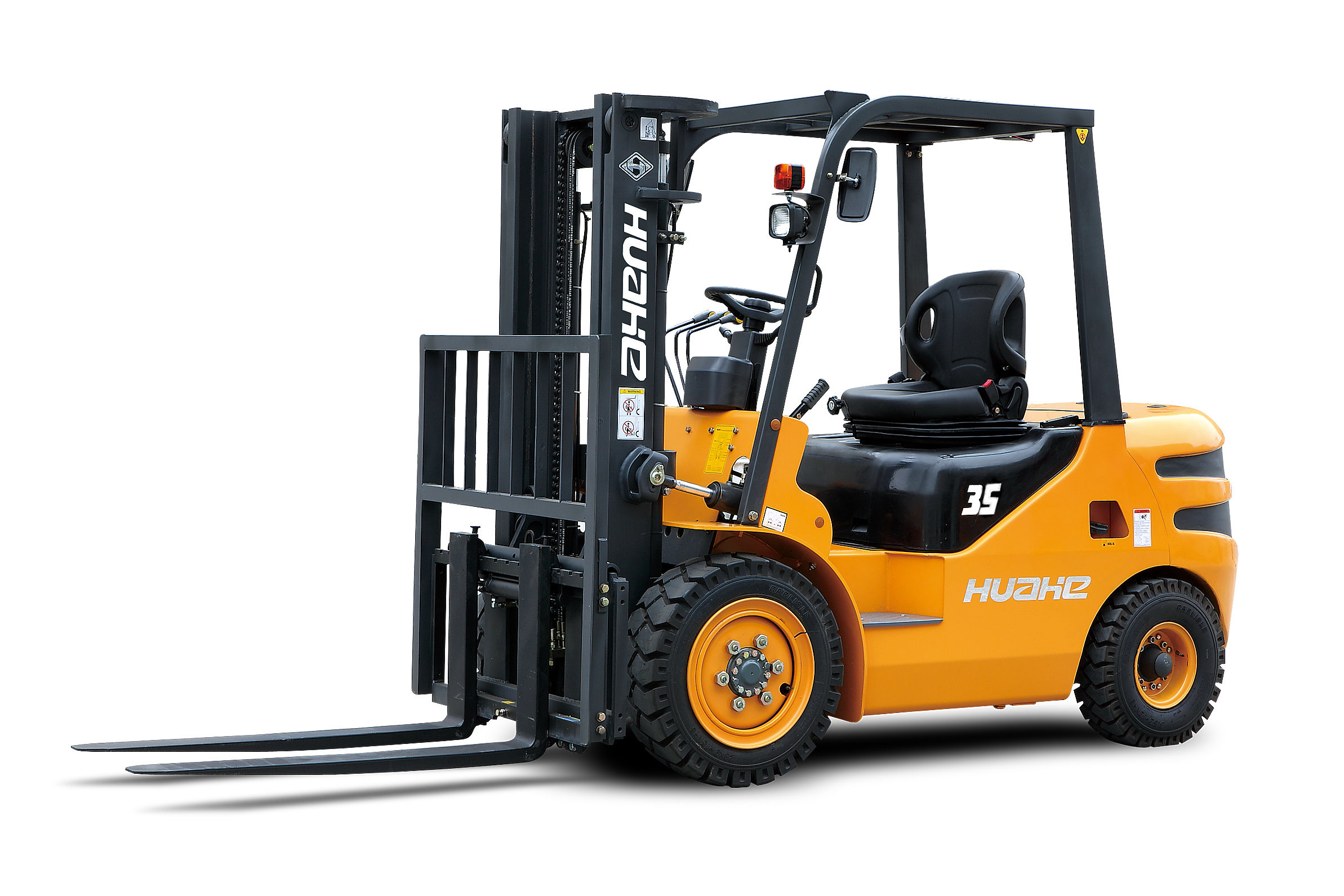
Primary Engineering Benefits
Heavy-duty diesel forklifts utilize ISUZU engines with advanced high pressure common rail and fuel injection technology. With this technology, fuel injection is controlled with precision with regards to both time and volume, which optimizes combustion efficiency and minimizes fuel waste as well as the production of combustion derived catalytic exhaust gases. The NISSAN K21 engine, however, has a modular structural design with superior heat treated components and base materials, which greatly diminishes the wear of the engine, and provides consistent engine operation at high performance for a prolonged duration. The excellence of both engines with respect to cold starting alleviates the challenge of starting engines during cold weather conditions in factories. This ensures production continuity.
Adaptability to Factory Scenario
Regarding factory applications, diesel forklifts with Japanese engines have proven to be highly adaptable to a variety of challenging working conditions. For example, in heavy machinery manufacturing, the 4-ton diesel forklift with ISUZU engine facilitates the loading/unloading of large mechanical components. Thanks to high torque, the ISUZU engine and diesel forklifts can handle factory site inclines and uneven outdoor surfaces. Another application includes a large food processing plant logistics warehouse, where a 2.5-ton forklift with a low-noise and stable NISSAN K21 engine meets the environmental noise requirements of the food production workshops and facilitates efficient pallet handling and stacking. Many factory managers have commented that the use of diesel forklifts with Japanese engines has reduced the downtime caused by power system failures by more than 80% and improved daily material handling efficiency by about 30%. This is clear evidence of the practicality of diesel Japanese engine forklifts in the factory scenario.
Cost Control in Operations
With regard to factories, the long-term operational cost of machinery is significant to consider, and diesel forklifts with Japanese engines have clear features on this. The advanced combustion technology of Japanese engines means, fuel consumption per hour of forklifts is about 15% less than ordinary engines, under the same working conditions. Therefore, taking a 3.5 ton diesel forklift as an example, less than 2000 liters of diesel oil is required every year for factories that operation daily for 8 hours. Regarding the modular layout of Japanese engines, the design, maintenance points are clear, and the disassembly is simple; with universal accessories, spare parts procurement is less costly. Also, the operational life of the main parts of Japanese engines is tens of thousands of hours, and the maintenance cycles of forklifts are extended, thus, the maintenance labor cost of factories is reduced. ISUZU and NISSAN engines are proven reliable and are certified for meeting various international standards for quality and the environment. Manufacturing for these engines also meet the standards for the global machinery sector. Additionally, the complete forklifts also have CE and ISO9001 certifications, and are thus proven to safely and quality-wise comply with both the European and global market requirements. These certifications do not only reflect the effort put towards improving the quality of the Forklifts, but also shows their dedication to the exports market by providing the customers with internationally compliant material handling equipment to mitigate the risk of trade restrictions due to quality issues. Furthermore, the engine manufacturers conduct a thorough quality assessment, and each engine undergoes several quality tests to verify the engine's performance and to determine if they meet the design specifications.
Business Value Upgrade
When it comes to production and operations, using diesel forklifts with Japanese engines offers considerable business value upgrades for factories. The tools' efficiency and reliability increase the factory's overall materials handling efficiency and help to shorten the production cycle of products. The factory may further improve its production and operational capabilities by using the tools to quickly respond to and fulfill market demand. Additionally, the long lifespan of the tools decreases the rate of replacement for the factory's other equipment, allowing the factory to become more cost-effective and efficient in the use of its capital by spreading the depreciation cost of one of the tools over more production cycles. In order to optimize the factory's overall production capacity, large-scale manufacturing companies are able to more efficiently and effectively design the logistics flow of the factory by using multiple diesel forklifts with Japanese engines during the same operational period. For instance, some large-scale factories that manufacture auto parts have been able to improve their material handling systems to the extent that their annual production capacity has increased by approximately 25%.
Manufacturing and Supply Chain Partnership
The outstanding quality of diesel forklifts with Japanese engines is paired with the unparalleled quality of manufacturing and supply chain partnerships of the forklift-producing enterprises. Huahe has a state-of-the-art production facility of over 40,000 square meters and an annual production capacity of 10,000 units, as well as a dedicated R&D and production team to ensure that the Japanese engines are optimally integrated with forklift truck assemblies. The company also provides global after-sales service and spare parts supply for manufacturing plants worldwide. In addition, Huahe provides flexible solutions by OEM customization, bulk supply, and leasing of forklifts, and addresses the specific material handling requirements of individual manufacturing plants. Supply chain management and manufacturing support for Japanese engine diesel forklifts are aimed at further enhancing the factory's production capacity.