
 EN
EN



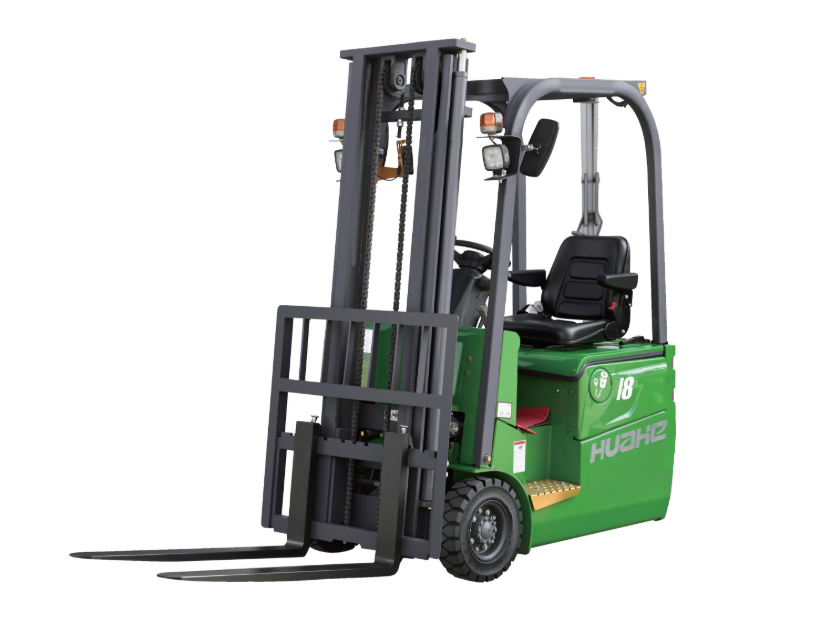
সবুজ যাতায়াত প্রবণতা শূন্য নি:সরণের চাহিদা বৃদ্ধি করছে
বিশ্বব্যাপী উৎপাদন খাতটি দ্রুত সবুজ ও কম কার্বন উন্নয়ন মডেলের দিকে এগিয়ে যাচ্ছে। কারখানাগুলিতে অবশিষ্ট লজিস্টিক্স প্রক্রিয়াগুলি কার্বন নিরপেক্ষতা অর্জনের জন্য অত্যন্ত গুরুত্বপূর্ণ। জ্বালানি-চালিত ফর্কলিফটগুলির কার্যকারিতা নিম্নমানের; এগুলি ক্ষতিকর নি:সরণ তৈরি করে এবং বায়ু মান ও শব্দ দূষণ কর্মচারীদের জন্য বিরক্তিকর এবং নির্ভুল যন্ত্রাংশ উৎপাদনকে প্রভাবিত করে। শিল্প বিশেষজ্ঞরা কারখানার অভ্যন্তরীণ গুদাম অপারেশনের জন্য বায়ু মান ও শব্দ অনুমোদন পূরণের উদ্দেশ্যে সম্পূর্ণ বৈদ্যুতিক ও শূন্য নি:সরণ ফর্কলিফট ব্যবহারের প্রয়োজনীয়তা জোর দিয়েছেন। যেসব কারখানা শূন্য নি:সরণ বৈদ্যুতিক ফর্কলিফট গ্রহণ করেছে, তাদের শব্দ পরিবেশে উল্লেখযোগ্য উন্নতি হয়েছে এবং ধূলিকণা-সম্পর্কিত নির্ভুল যন্ত্রাংশের প্রত্যাখ্যান প্রায় ৩০% কমেছে, যা কারখানা অপারেশনে শূন্য নি:সরণ সরঞ্জামের প্রকৃত কার্যকারিতা প্রদর্শন করে।
লিথিয়াম ব্যাটারি শূন্য নি:সরণ ফর্কলিফটের প্রযুক্তিগত সুবিধা
শূন্য নির্গমন গুদাম ট্রাক চালানোর জন্য সবচেয়ে বিপ্লবী ও উন্নত প্রযুক্তি হলো লিথিয়াম ব্যাটারি। ঐতিহ্যগত লেড-অ্যাসিড ব্যাটারি এবং জ্বালানি-চালিত শক্তির তুলনায়, লিথিয়াম ব্যাটারি তিনটি স্পষ্ট প্রযুক্তিগত সুবিধা প্রদান করে। প্রথমত, দ্রুত চার্জিংয়ের ক্ষমতা। বাজারে পাওয়া অধিকাংশ লিথিয়াম ব্যাটারি ফর্কলিফট মাত্র ১-২ ঘণ্টার মধ্যে দ্রুত চার্জ করা যায় এবং তারপর ৮-১০ ঘণ্টা পর্যন্ত কাজ করতে পারে। এটি কারখানার গুদামগুলিতে উচ্চ ফ্রিক uency অপারেশনের জন্য আদর্শ এবং চার্জিংয়ের কারণে যে ডাউনটাইম ক্ষতি হয় তা উল্লেখযোগ্যভাবে কমিয়ে দেয়। দ্বিতীয়ত, লিথিয়াম ব্যাটারি সিস্টেমগুলি উচ্চ শক্তি দক্ষতা এবং নিম্ন শক্তি খরচ প্রদান করে। শক্তি খরচের মূল্য এবং জ্বালানি ফর্কলিফটগুলির জ্বালানি ব্যবহারের হার—উভয়ই উল্লেখযোগ্যভাবে হ্রাস পায়। জ্বালানি ফর্কলিফটগুলির দৈনিক শক্তি খরচ লিথিয়াম ব্যাটারি ফর্কলিফটগুলির তুলনায় তিন গুণ বেশি। তৃতীয়ত, এগুলি সত্যিকারের শূন্য নির্গমন প্রদান করে। লিথিয়াম ব্যাটারি ফর্কলিফটগুলি কোনও গ্যাস, তেল বা ক্ষতিকর পদার্থ নির্গমন ছাড়াই কাজ করে, যা আন্তর্জাতিক কারখানা পরিবেশ ব্যবস্থাপনা নির্দেশিকা মেনে চলার সুযোগ করে দেয়। একইসাথে, লিথিয়াম ব্যাটারিগুলির দীর্ঘ সেবা আয়ু রয়েছে, যা প্রায় ৫-৮ বছর পর্যন্ত স্থায়ী হয়, এবং রক্ষণাবেক্ষণ প্রক্রিয়াটি সরল, যা ফলস্বরূপ সরঞ্জামের প্রযুক্তিগত ব্যর্থতার হার কমিয়ে দেয়।
কারখানা পরিবেশে ব্যবহারিক প্রয়োগের অভিজ্ঞতা
একটি বৃহৎ স্বয়ংচালিত যানবাহন যন্ত্রাংশ উৎপাদন সুবিধায়, গুদামের উপকরণ পরিচালনার জন্য ৫০টি লিথিয়াম ব্যাটারি-চালিত শূন্য-নি:সরণ ফর্কলিফ্টের ব্যবহার একটি আদর্শ উদাহরণ হিসেবে দেখা যায়। এই সুবিধায়, গুদামের পথগুলো সংকীর্ণ, উপকরণের চালান-আমদানির হার অত্যন্ত উচ্চ এবং উৎপাদন লাইন বরাবর কঠোর পরিষ্কারের প্রয়োজনীয়তা রয়েছে। গুদামের সংকীর্ণ পথগুলোতে এগজস্ট দূষণের সমস্যার সমাধান হিসেবে শূন্য-নি:সরণ ফর্কলিফ্টগুলোর ব্যবহার করা হয়েছে। ফর্কলিফ্টগুলোর পলিউরেথেন চাকার কারণে গুদামের ধূলিমুক্ত অপারেশনও উন্নত হয়েছে। ফর্কলিফ্টগুলোর দ্রুত চার্জিং ক্ষমতা অপারেশনাল দক্ষতা বৃদ্ধিতেও সহায়তা করে, কারণ ফর্কলিফ্টগুলোকে কর্মচারীদের দুপুরের বিশ্রামের সময়ে চার্জ করা যায় এবং এগুলো ২৪ ঘণ্টা ধরে কাজ করতে পারে। দৈনিক উপকরণ পরিচালনার পরিমাণ ডিজেল ফর্কলিফ্টগুলোর তুলনায় ২৫% বেশি। শূন্য-নি:সরণ ফর্কলিফ্ট চালনাকারীরা জানিয়েছেন যে, ব্যবহারের সহজতা, নিম্ন শব্দস্তর এবং দীর্ঘ সময় ধরে অপারেশনের সময় কম শারীরিক প্রচেষ্টা প্রয়োজন হওয়ায় দলীয় সামগ্রিক উৎপাদনশীলতা উল্লেখযোগ্যভাবে বৃদ্ধি পেয়েছে। এই ক্ষেত্রে প্রমাণিত হয়েছে যে, শূন্য-নি:সরণ গুদাম ফর্কলিফ্টগুলো কারখানাগুলোর পরিবেশ সংরক্ষণের প্রয়োজনীয়তা পূরণ করতে পারে এবং একইসাথে যানবাহন যোগাযোগ অপারেশনের দক্ষতা বৃদ্ধি করতে পারে।
সম্পূর্ণ জীবনচক্রের ব্যাপক বাণিজ্যিক মূল্য
শূন্য নি:সরণ গুদাম ফর্কলিফটে বিনিয়োগ করা পরিবেশগত দৃষ্টিকোণ থেকে এবং দীর্ঘমেয়াদী কোম্পানির অপারেশনাল খরচের দৃষ্টিকোণ থেকেও বিবেচনা করা যেতে পারে, যা একটি বুদ্ধিমান সিদ্ধান্ত গঠন করে। দৈনিক ব্যবহারের কথা বিবেচনা করলে, লিথিয়াম ব্যাটারি চালিত ফর্কলিফটগুলির বিদ্যুৎ খরচ জ্বালানি-চালিত ফর্কলিফটগুলির তুলনায় অনেক কম হয়, ফলে একটি একক ফর্কলিফটের জন্য শুধুমাত্র শক্তি খরচে বছরে প্রায় ২০,০০০ ডলার সাশ্রয় হয়। এই ছাড়াও, লিথিয়াম ব্যাটারিগুলি লেড-অ্যাসিড ব্যাটারির মতো পরিষেবা প্রয়োজন করে না, ফলে রক্ষণাবেক্ষণের ক্ষেত্রে এগুলি আরও খরচ-কার্যকর; এবং এ কারণে বছরে রক্ষণাবেক্ষণ খরচ ৫০% এর বেশি কমানো যায়। জ্বালানি-চালিত ফর্কলিফটগুলির ক্ষেত্রে পরিবেশগত জরিমানা আরোপের ঝুঁকি ক্রমশ বৃদ্ধি পাচ্ছে এবং জ্বালানি নি:সরণের কারণে এই ফর্কলিফটগুলি জরিমানার শিকার হয়, যা কারখানাগুলিতে জ্বালানি-চালিত ফর্কলিফট রাখাকে একটি দায়িত্বে পরিণত করে। বিপরীতে, শূন্য নি:সরণ ফর্কলিফটগুলি কারখানাগুলিকে এই ঝুঁকিগুলি এড়াতে সাহায্য করে এবং কিছু অঞ্চলে প্রাসঙ্গিক সবুজ উন্নয়ন অনুদানও লাভ করতে সক্ষম করে। তদুপরি, লিথিয়াম ব্যাটারি চালিত ফর্কলিফটগুলির দীর্ঘ সেবা জীবন থাকায় গড় বার্ষিক অবচয় ব্যয় কম হয় এবং সম্পূর্ণ জীবনচক্র জুড়ে মোটামুটি খরচ-সুবিধার পরিমাণ ঐতিহ্যবাহী ফর্কলিফটগুলির তুলনায় উল্লেখযোগ্যভাবে ভালো হয়।
কারখানা গুদামে বিভিন্ন পরিস্থিতির পেশাদার শ্রেণিবিভাগ
শূন্য-নির্গমন গুদাম ফর্কলিফটগুলির যুক্তিসঙ্গত পছন্দ কারখানার গুদাম পরিস্থিতিতে কার্যকারিতা সর্বোচ্চ করতে পারে। ইলেকট্রনিক উপাদান ও প্রিসিশন যন্ত্রপাতির কারখানার গুদামের সংকীর্ণ পথে সীমিত স্থানে কাজ করার জন্য তিনটি ফুলক্রাম কাউন্টারব্যালান্স লিফট ট্রাক যাদের কোনো নির্গমন নেই, তাদের ব্যবহার করা যেতে পারে। যান্ত্রিক প্রক্রিয়াকরণের কারখানায় ভারী মালামাল পরিচালনার ক্ষেত্রে, ৩.৫ থেকে ১০ টন লিথিয়াম ব্যাটারি চালিত শূন্য-নির্গমন ফর্কলিফট সুপারিশ করা হয়, যা একটি উচ্চ-ক্ষমতাসম্পন্ন বৈদ্যুতিক ড্রাইভ সিস্টেম দ্বারা সজ্জিত এবং ভারী অংশগুলি তুলে নেওয়া ও স্থানান্তর করার জন্য স্থিতিশীল চালনা শক্তি প্রদান করে। বহু-শিফট, উচ্চ-ফ্রিক uency অপারেশন সম্পন্ন বড় কারখানার যুক্তিবদ্ধ বিতরণ কেন্দ্রগুলিতে, দ্রুত চার্জিং এবং বৃহৎ ধারণক্ষমতাসম্পন্ন ব্যাটারি সম্পন্ন শূন্য-নির্গমন ফর্কলিফটগুলি অবিচ্ছিন্ন কাজ করার জন্য সুপারিশ করা হয়। অবশেষে, সীমান্ত-অতিক্রমকারী উৎপাদন ও কাজের অপারেশনে নিরাপত্তা নিশ্চিত করতে, সিই (CE), আইএসও (ISO) এবং অন্যান্য আন্তর্জাতিক সার্টিফিকেশন প্রাপ্ত পণ্যগুলি বেছে নেওয়া আবশ্যিক।
উৎপাদন নির্ভরযোগ্যতা এবং বিশ্বব্যাপী সরবরাহ শৃঙ্খলের নির্ভরযোগ্যতা
শূন্য-নিঃসরণ গুদাম ফর্কলিফটগুলির কারখানার পরিবেশে সুষ্ঠু কাজ করা কোম্পানির শক্তিশালী উৎপাদন ক্ষমতা এবং ব্যাপক সরবরাহ শৃঙ্খল সেবার সঙ্গে ঘনিষ্ঠভাবে জড়িত। চিয়াংজিয়াং প্রদেশের শিল্প হৃদয় তাইজৌ শহরে অবস্থিত ফর্কলিফটের অন্যতম অগ্রণী ব্র্যান্ডের ৪০,০০০ বর্গমিটার আকারের আধুনিক উৎপাদন সুবিধা রয়েছে এবং বার্ষিক উৎপাদন ক্ষমতা ১০,০০০ ইউনিট। এই ধরনের ক্ষমতা বৃহৎ আকারের কারখানা এবং প্রকৌশল প্রকল্পের কার্যক্রমের জন্য দ্রুত ও বৃহৎ পরিসরে শূন্য-নিঃসরণ ফর্কলিফট সরবরাহ নিশ্চিত করতে পারে। এই ব্র্যান্ডের শূন্য-নিঃসরণ ফর্কলিফটগুলি একাধিক আন্তর্জাতিক সার্টিফিকেশন (সিই, আইএসও ইত্যাদি) অর্জন করেছে এবং ১৩০টি দেশ/অঞ্চলে এর উপস্থিতি রয়েছে। এদের একটি উন্নত ও দক্ষ বৈশ্বিক বিতরণ নেটওয়ার্ক এবং পরিবেশন পরবর্তী সেবা ব্যবস্থা রয়েছে। এছাড়া, তারা কাস্টমাইজড ওইএম (OEM), অ্যাডাপ্টেবল লিজিং এবং বাল্ক সরবরাহ বিকল্পগুলি প্রদান করে, যা বিভিন্ন কারখানার শূন্য-নিঃসরণ যুক্ত লজিস্টিক্স প্রয়োজনীয়তা সমর্থন করে। তাদের লিথিয়াম ব্যাটারি-চালিত শূন্য-নিঃসরণ ফর্কলিফটগুলির ধারণ ক্ষমতা ১.০ থেকে ১০ টন পর্যন্ত এবং এগুলি দক্ষ ৮০ ভোল্ট/৩৫০ অ্যাম্পিয়ার-ঘণ্টা লিথিয়াম ব্যাটারি সিস্টেম দ্বারা সজ্জিত। এটি কারখানা গুদামে বিভিন্ন ধরনের উপকরণ পরিচালনার প্রয়োজনীয়তা সম্পূর্ণরূপে সমর্থন করে এবং বিশ্বব্যাপী উৎপাদন খাতের জন্য নির্ভরযোগ্য শূন্য-নিঃসরণ লজিস্টিক্স সমাধান প্রদান করে।