
 EN
EN



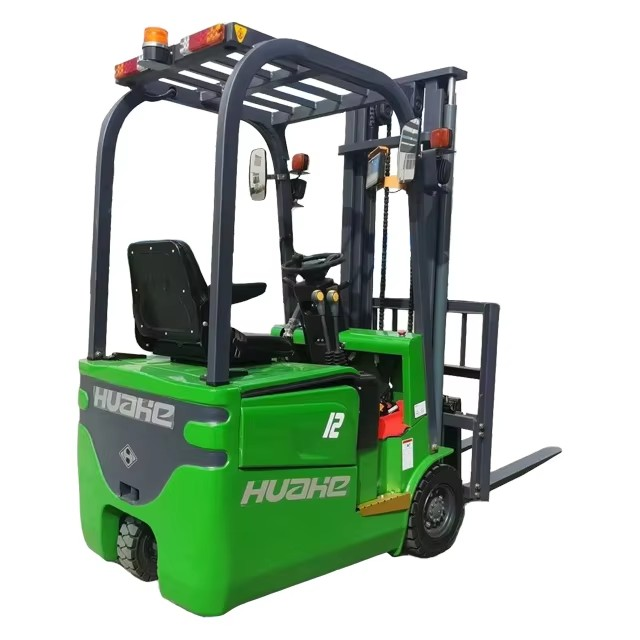
Wybieranie odpowiedniego elektrycznego wózka widłowego do zastosowań logistycznych
Zrozumienie podstawowych parametrów roboczych i zasad działania systemu logistycznego jest kluczowe przy wyborze odpowiedniego elektrycznego wózka widłowego. Zgodnie ze standardami przemysłowymi dla pojazdów ISO wysokość podnoszenia oraz nominalna nośność stanowią główne kryteria wyboru modelu, podczas gdy minimalny promień skrętu określa przydatność wózka widłowego do danego magazynu. W małych i średnich magazynach zadania związane z lekkim transportem materiałów najlepiej realizuje kompaktowy wózek widłowy, dlatego idealnym rozwiązaniem jest trójosiowy elektryczny wózek widłowy o nośności od 1,0 do 2,5 tony. W przypadku dużych centrów logistycznych, gdzie wymagane jest ciężkie przemysłowe przemieszczanie materiałów, wystarczającą nośność zapewnia czterokołowy elektryczny wózek widłowy z akumulatorem litowym i przeciwwagą o nośności od 3,5 do 10 ton. Do zastosowań zewnętrznych na terenach o różnorodnym ukształtowaniu powierzchni konieczne są elektryczne wózki widłowe wyposażone w wzmocniony nadwoziowy układ jezdny oraz opony przeciwwyślizgowe, zapewniające stabilność podczas pracy na różnych rodzajach podłoża. Używanie niewłaściwie dobranego sprzętu wiąże się z dodatkowymi kosztami, które nie tylko obniżają efektywność operacji, ale także prowadzą do wzrostu uszkodzeń sprzętu.
Wybór technologii baterii
Technologia baterii jest kluczowa dla wydajności elektrycznych wózków widłowych i decyduje o ich wyborze. Baterie kwasowo-ołowiowe charakteryzują się niższym początkowym kosztem, ale krótkim okresem użytkowania (liczba cykli ładowania/rozładowania), długimi czasami ładowania oraz droższym serwisem, co czyni je słabym wyborem w przypadku intensywnych, wieloszmigowych operacji logistycznych. Baterie litowe oferują okres użytkowania przekraczający 4000 cykli, czyli od trzech do czterech razy więcej niż baterie kwasowo-ołowiowe, co jednoznacznie wskazuje na ich wyższą jakość technologiczną. Ponadto baterie szybkoładowalne mogą osiągnąć poziom naładowania 80% już po jednej godzinie, umożliwiając nieprzerwaną pracę sprzętu w czasie przerw obiadowych operatorów. Dodatkowo, ponieważ są one bezobsługowe, codzienne zadania operacyjne ulegają znacznemu skróceniu; w przypadku firm logistycznych pracujących ponad 8 godzin dziennie wózki widłowe z bateriami litowymi stanowią jedyną racjonalną opcję. Z drugiej strony w małych magazynach, w których sprzęt jest używany rzadziej, baterie kwasowo-ołowiowe zapewniają najkorzystniejszy stosunek kosztów do korzyści.
Analiza całkowitych kosztów cyklu życia
Przy wyborze elektrycznego wózka widłowego nieodpowiednie jest uwzględnianie wyłącznie początkowych kosztów zakupu. Najdokładniejszym wskaźnikiem wartości ekonomicznej jest całkowity koszt cyklu życia. Wózki widłowe elektryczne mają istotne zalety względem wózków widłowych napędzanych silnikami spalinowymi pod względem zużycia energii i kosztów konserwacji: codzienne wydatki na energię elektryczną stanowią zaledwie 25% kosztów paliwa, a koszty konserwacji są niższe o ponad 60% ze względu na brak konieczności wymiany oleju silnikowego oraz obsługi układów odprowadzania spalin. Dane praktyczne pochodzące od jednej z największych firm logistycznych działających w e-commerce wskazują, że trzytonowy elektryczny wózek widłowy z akumulatorem litowo-jonowym pozwala oszczędzić rocznie około 36 000 juanów na energii i konserwacji. W efekcie całkowite oszczędności uzyskane w ciągu pięciu lat zlikwidowały różnicę w kosztach względem wózków widłowych napędzanych silnikami spalinowymi. Ponadto niski poziom hałasu oraz brak emisji zanieczyszczeń przez wózki widłowe elektryczne poprawiają warunki pracy operatorów, co przekłada się na obniżenie rotacji pracowników oraz kosztów szkolenia. Dlatego też, aby wybór był jak najbardziej opłacalny, należy uwzględnić wszystkie koszty.
Studium przypadku
W przypadku wyboru elektrycznych wózków widłowych do zastosowań w magazynach chłodniowych przechowujących żywność należy wziąć pod uwagę szereg szczególnych czynników. Jednym z nich jest 2-tonowy elektryczny wózek widłowy jadący do przodu, który pozwala spełnić wymagania magazynów chłodniowych przechowujących żywność dotyczące braku emisji oraz braku hałasu, a ponadto zapewnia o 25% lepsze wykorzystanie przestrzeni w wąskich kanałach chłodniowych. Znacznie lepsze wykorzystanie przestrzeni uzyskuje się również w większych centrach dystrybucji żywności, takich jak duże parki logistyczne kurierskie. Tam centra magazynowe przechowujące żywność, które wykorzystują elektryczne wózki widłowe – na przykład 5-tonowe elektryczne wózki widłowe z akumulatorem litowo-jonowym – mogą osiągnąć ponad 35% wydajności sprzętu, co umożliwia bardziej efektywne sortowanie i załadunek produktów spożywczych. Pozwala to również na szybszą dystrybucję żywności. Na koniec 10-tonowy elektryczny wózek widłowy z certyfikatami CE i ISO umożliwia przemieszczanie i manipulację bardzo dużymi ładunkami w ciężkich zastosowaniach transportu materiałów przemysłowych oraz zapewnia możliwość pracy ciągłej. Przykłady te pokazują, jak ważne jest dobranie odpowiedniego elektrycznego wózka widłowego pod kątem jego dopasowania do konkretnych potrzeb przedsiębiorstwa.
Zgodność i wsparcie dla łańcucha dostaw
Ciągła certyfikacja zgodności oraz bezbłędne wsparcie dla łańcucha dostaw są kluczowe dla zapewnienia nieprzerwanego działania elektrycznych wózków widłowych, szczególnie dla firm logistycznych działających na rynkach globalnych. Certyfikaty CE i ISO stanowią minimalne wymagania, jakie muszą spełniać elektryczne wózki widłowe, aby móc wejść na rynek międzynarodowy, a także potwierdzają jakość i bezpieczeństwo produktu. Dodatkowo kluczowe znaczenie mają zdolności producenta sprzętu oraz jego usługi posprzedażowe. Dzięki nowoczesnemu zakładowi produkcyjnemu dostawca sprzętu może zapewnić nieprzerwane zaopatrzenie w produkty OEM w pełni dostosowywalne do indywidualnych potrzeb różnych firm logistycznych. Globalny łańcuch dostaw oraz usługi posprzedażowe dostawcy – w ramach których awarie sprzętu są rozwiązywane natychmiastowo, w pierwszej kolejności – minimalizują straty związane z przestojem operacji logistycznych.
Możliwości inteligentnej modernizacji
W miarę jak rozwija się inteligentna logistyka, zdolność elektrycznych wózków widłowych do wspierania inteligentnych ulepszeń staje się nowym czynnikiem decyzyjnym. Nowoczesne firmy logistyczne stopniowo wdrażają inteligentne systemy magazynowe wykorzystujące automatyczne systemy transportu AGV. Dlatego zakupione wózki widłowe muszą być wyposażone w niezbędne systemy umożliwiające integrację z rozwiązaniami inteligentnymi, co pozwala firmie na łatwą cyfryzację. Nawet małe i średnie przedsiębiorstwa logistyczne, które jeszcze nie przeszły procesu inteligentnej transformacji, powinny zakupić elektryczne wózki widłowe z rozszerzalnymi funkcjami inteligentnymi, aby uniknąć marnotrawstwa wynikającego z konieczności wymiany sprzętu po późniejszej modernizacji systemu logistycznego. Dla małych magazynów idealnym rozwiązaniem jest mini elektryczny wózek widłowy litowo-jonowy z podstawowymi funkcjami inteligentnymi. Może on dokonywać podstawowej analizy ilości przewożonego towaru oraz przygotować grunt pod przyszłą, zaawansowaną inteligentną zarządzanie.
Huahe oferuje kompleksową gamę wózków widłowych elektrycznych o nośności od 1,0 do 10 ton. Wszystkie produkty posiadają certyfikaty międzynarodowe CE i ISO. Nowoczesne zakłady produkcyjne firmy zajmują powierzchnię przekraczającą 40 000 m², a roczna produkcja wynosi 10 000 jednostek. Dzięki temu zapewniana jest wysoka jakość oraz stabilne dostawy dla globalnych firm logistycznych. Globalna sieć dystrybucji oraz obsługa posprzedażowa oferują elastyczne opcje leasingu i hurtowej dostawy, wspierając tym samym procesy logistyczne oraz skuteczność operacyjną i zapewniając kompleksowe rozwiązania sprzętowe w zakresie logistyki w różnych krajach oraz poza granicami międzynarodowymi.