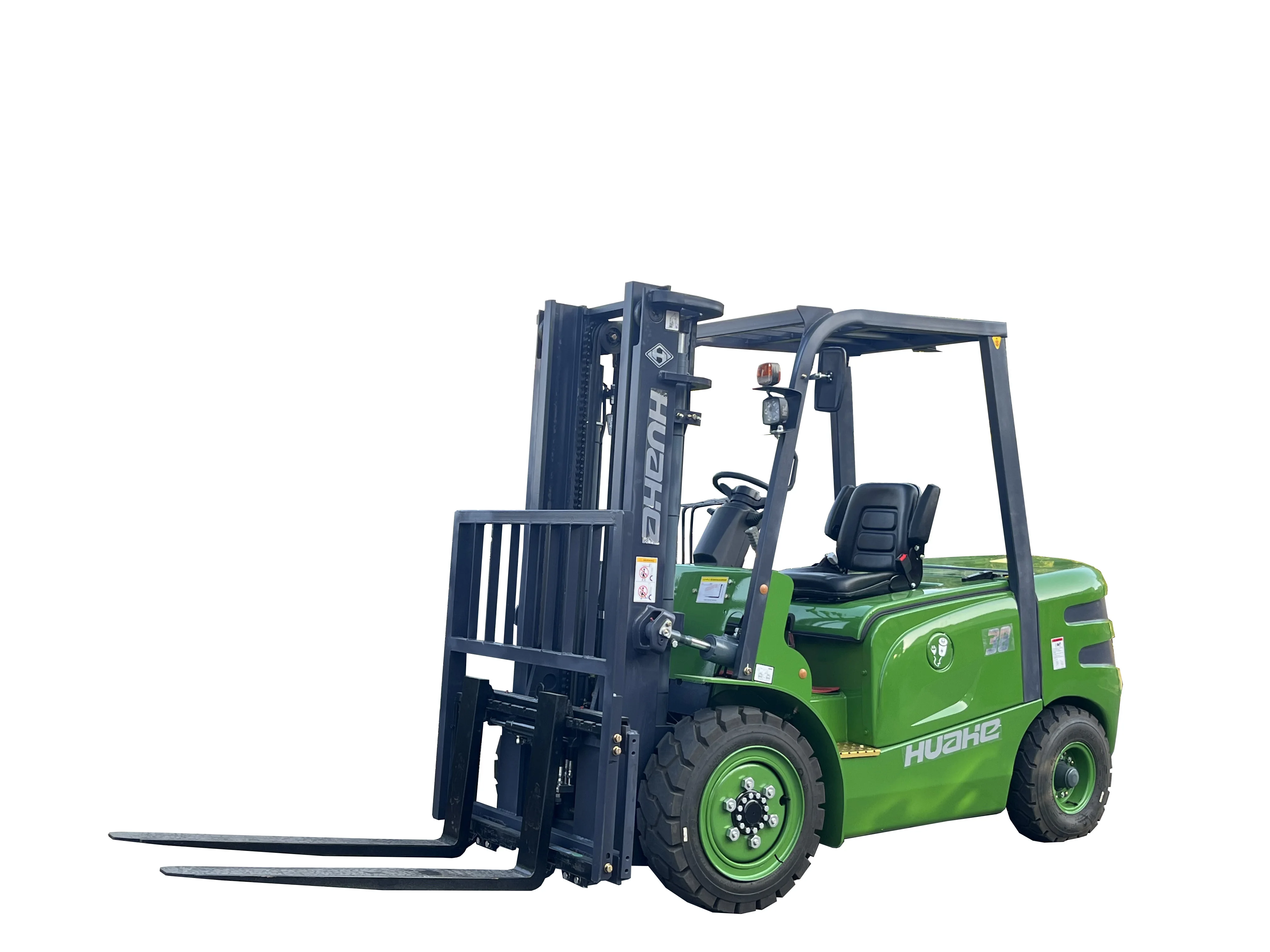
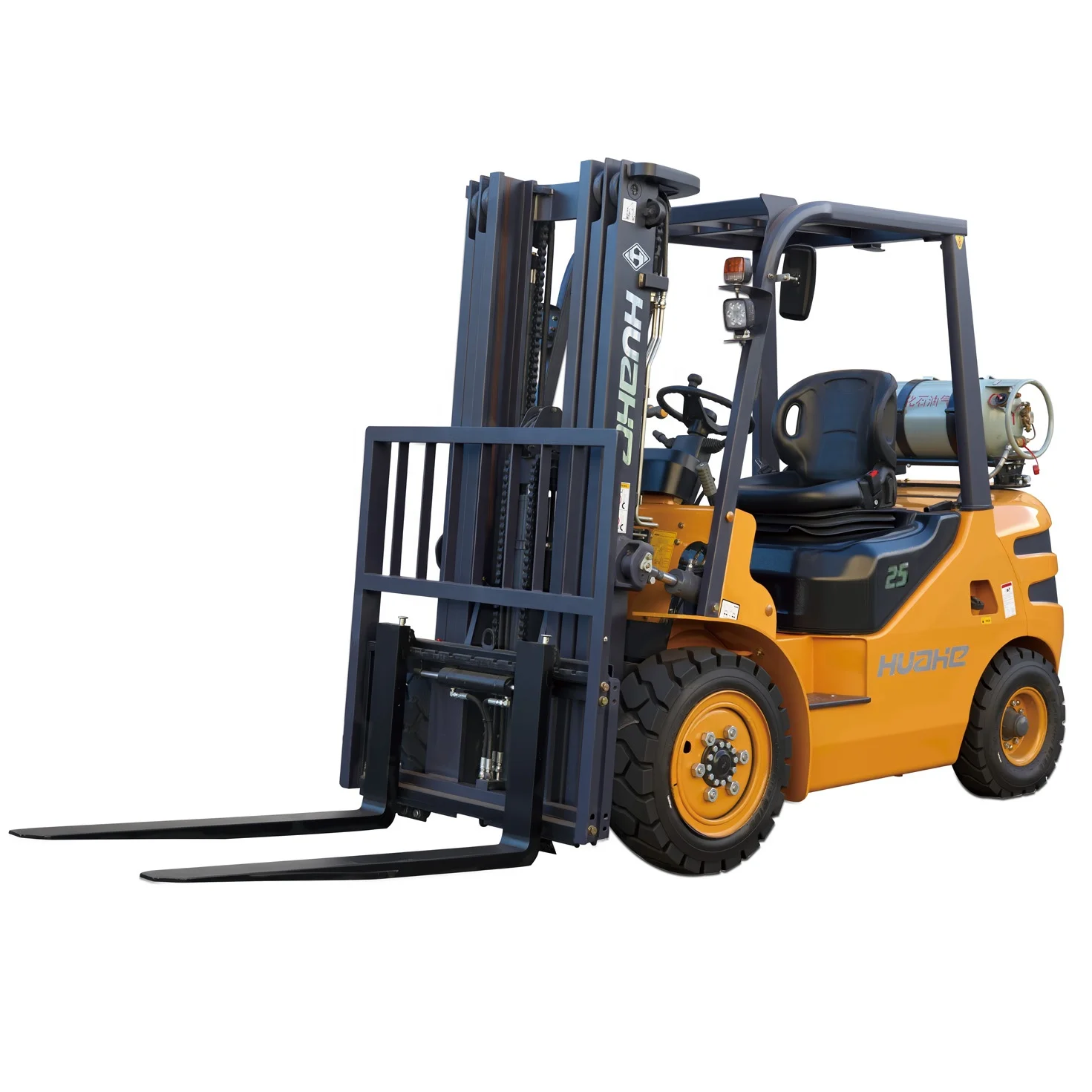
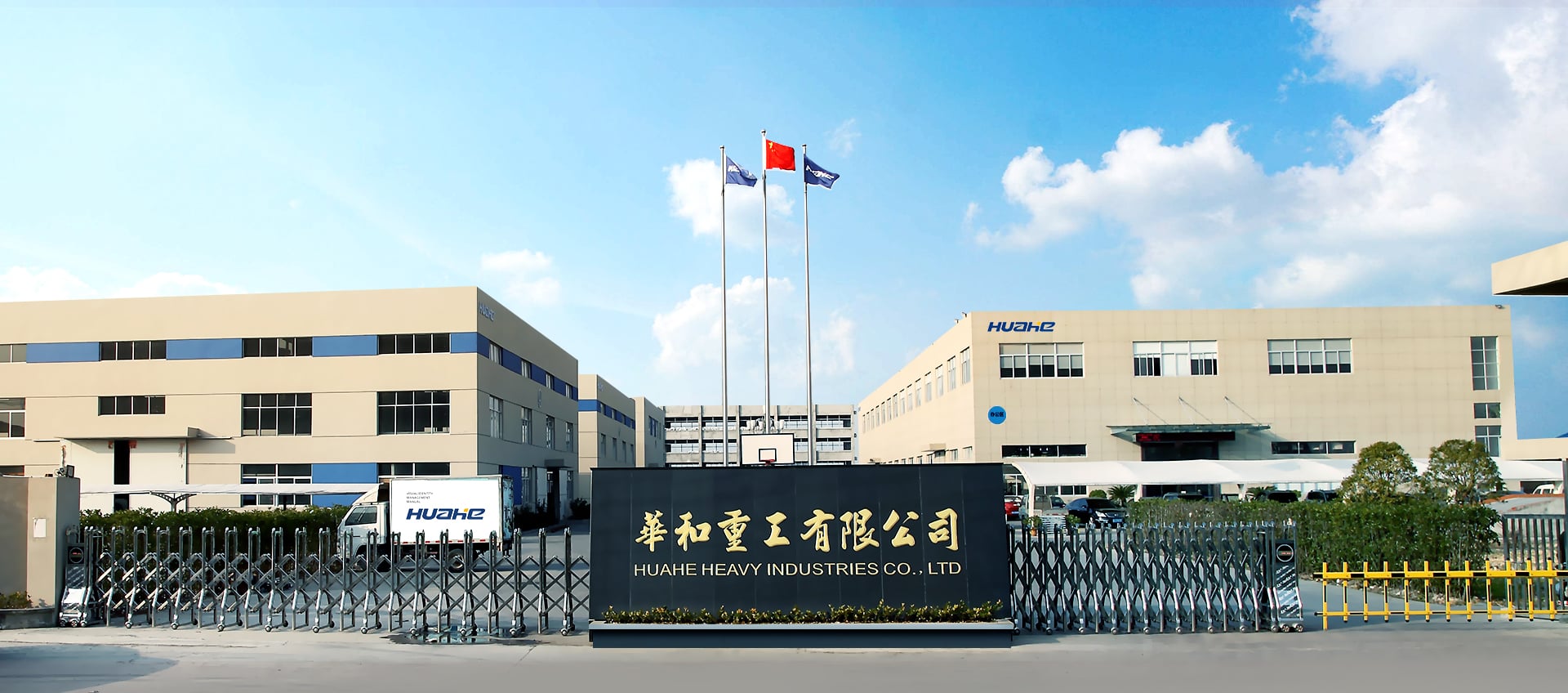
×
Authored by the Senior Engineering & Fleet Solutions Team at Zhejiang Huahe Forklift Co., Ltd.
Published: November 2026 | Reading Time: ~7 min | Category: Technical Buying Guide
In modern logistics hubs, manufacturing assembly plants, and cold-chain distribution centers, selecting the right material handling equipment (MHE) power system is a critical strategic decision.
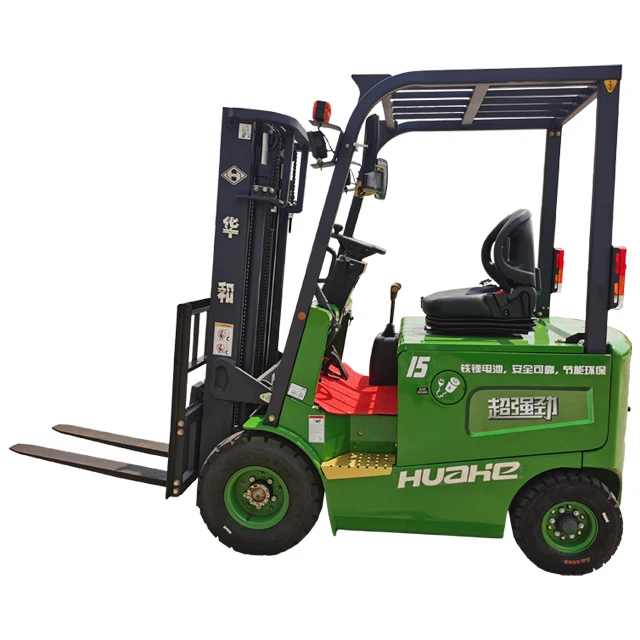
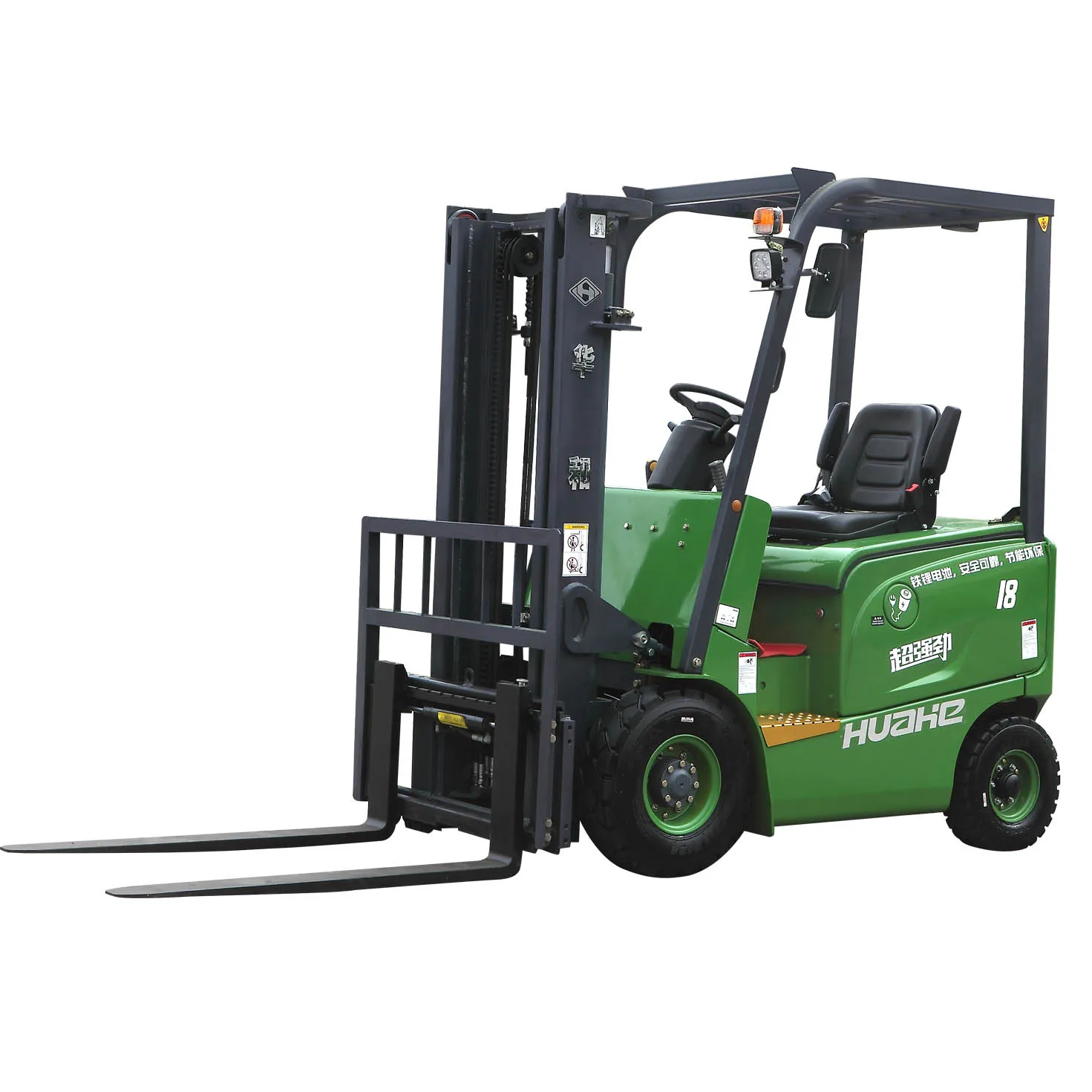
While flooded lead-acid batteries have historically served as the traditional entry point due to their accessible initial purchase cost, the global material handling sector is experiencing an irreversible shift. Driven by advanced Lithium Iron Phosphate (LiFePO4) chemistry and intelligent AC drive controllers, plant managers and procurement directors are re-evaluating fleet value through the lens of Total Cost of Ownership (TCO).
When evaluating fleet modernization, calculating upfront capital expenditure (CapEx) alone often conceals high operational expenditures (OpEx)—including parasitic charging losses, dedicated maintenance labor, battery swap downtime, and specialized facility footprint.
This engineering whitepaper delivers an objective, lifecycle-based analysis to help fleet operators select the most cost-effective power platform for their operations.
Over a typical 5-to-8-year industrial operating lifecycle, the initial purchase price of an electric forklift generally represents only 20% to 30% of its overall expenditure. The remaining 70% to 80% is consumed by daily operations, electrical utility bills, scheduled servicing, and personnel overhead.
When modeling the lifecycle economics of industrial lift trucks, four key operational cost drivers dictate bottom-line profitability:
To illustrate the technical and operational disparities, our engineering team has summarized performance benchmarks across key operational metrics:
*Note: Comparative data and operational ranges presented above represent typical industrial averages and engineering field estimations. Real-world performance may vary depending on application duty cycles, floor conditions, and facility operating temperatures.
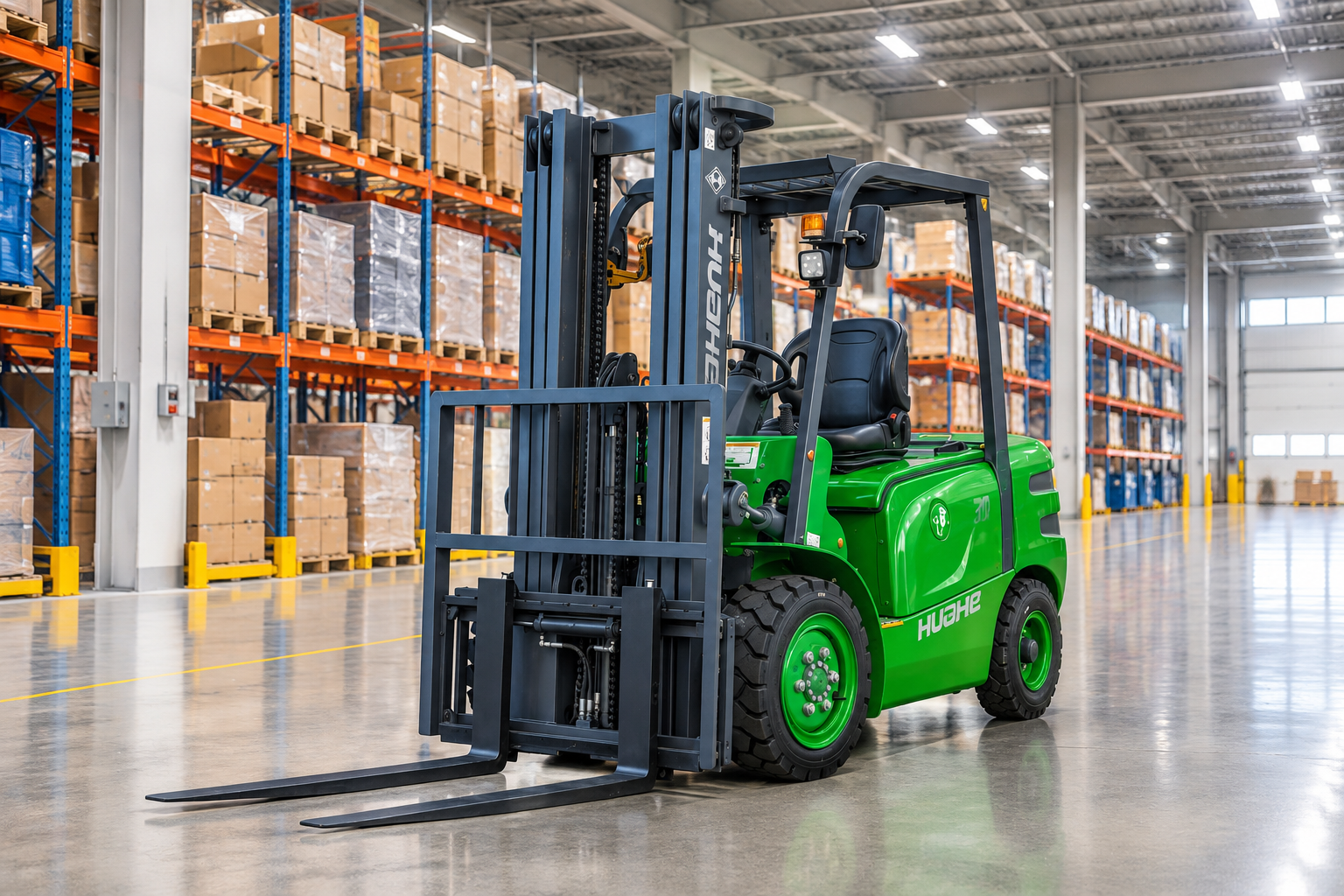
In high-velocity e-commerce sorting hubs or 3-shift production plants, conventional lead-acid fleets require frequent battery swaps. Extracting a heavy battery with an overhead gantry crane typically takes 20 to 30 minutes, involving operator transit, disconnects, and safety protocols.
Warehouses seeking to maximize cubic storage often face severe floor space constraints. Dedicating 50 to 100 square meters of indoor warehouse footprint to a lead-acid battery changeout room directly diminishes rentable or usable pallet storage positions.
Operating inside sub-zero blast freezers and cold storage environments (-20°C or below) severely impairs lead-acid chemical kinetics, frequently causing an estimated 35% to 50% capacity loss under unheated conditions. Furthermore, lead-acid batteries cannot be safely charged inside sub-zero chambers.
Every warehouse has unique throughput demands. Use this matrix to match your operational parameters:
Answer: No. Unlike older battery chemistries affected by memory effect, Lithium Iron Phosphate (LiFePO4) is engineered specifically for partial state-of-charge (PSoC) cycles. The intelligent BMS dynamically regulates charge currents and cell balancing, ensuring that short opportunity charges during operator breaks protect cell longevity rather than impairing it.
Answer: While lithium fast chargers draw higher peak charging current, a lithium forklift consumes approximately 20% to 25% less total kilowatt-hours over a 24-hour period compared to lead-acid, thanks to higher round-trip energy efficiency (>95%). By establishing staggered charging schedules, most facilities transition smoothly without requiring expensive transformer expansions.
Selecting the optimal material handling configuration requires aligning vehicle capacity, battery chemistry, and facility workflow.
As a dedicated manufacturer with over 40,000 m² of modern production facilities and an annual manufacturing capacity of 10,000 units, Zhejiang Huahe Forklift Co., Ltd. provides comprehensive OEM, dealer, and fleet supply solutions globally.
Need a customized TCO calculation or advice on electric fleet configuration?
👉 Contact Huahe Technical Fleet Specialists or reach out directly at [email protected] for professional fleet specifications and volume supply consultations.
 Hot News
2026-04-20
2026-04-15
2026-02-02
2026-01-28
2026-01-16
2026-11-27
Copyright © 2026 by ZHEJIANG HUAHE FORKLIFT CO.,LTD — Privacy Policy

 EN