
 EN
EN



Kuorma-autojen turvatulokset koulutuksen merkitys
Kuorma-autot ovat välttämättömiä nykyaikaisissa tehtaissa ja varastoissa, mutta niiden väärinkäyttö voi johtaa henkilövahinkoihin ja laitteistovaurioihin, mikä aiheuttaa kalliita katkoja toiminnassa. Olen oppinut 15 vuoden käytännön kokemuksellani materiaalien käsittelyoperaatioista ja turvallisuudesta, että johdonmukainen ja jatkuva koulutus voi muuttaa vaarallisia operaatioita turvallisiksi ja ennustettaviksi työprosesseiksi. Turvallisuuskoulutus on synonyymi turvallisuusinvestoinneille. Johtavat turvallisuusalan viranomaiset, kuten OSHA, sekä muut maailmanlaajuiset turvallisuusstandardit tunnustavat, että hyvin koulutetut kuljettajat johtavat vähemmän työpaikka-ongelmiin ja tapaturmiin. Turvallisuuskoulutus edistää turvallisuuskulttuurin syntymistä, luotettavaa ja turvallista työpaikkaa sekä yrityksen kestävyyttä.
Välttämätön kuorma-autojen turvallisuuskoulutus
Ennen kuin kuljettaja voi aloittaa työn trukilla, hänen on oltava saanut kattavan ymmärryksen trukeista ja perusturvallisuusvaatimuksista, jotka koskevat tiettyä toimintaa ja trukin tyyppiä. Hänen on opittava eri mallit ja tyypit truкеja. Hänen on tiedettävä ero polttoaine-, LP-kaasu- ja sähkötrukkien välillä. Hänen on tiedettävä tekijät, jotka vaikuttavat kuljettajan tasapainoon. Hänen on tiedettävä, miksi ja milloin hänen tulisi välttää teräviä käännöksiä, kuorman nostamista tai kuorman kallistamista haarukoiden toiselle puolelle. Hänen on tiedettävä eri kuorma painopisteet, jotka voivat lisätä trukin kaatumisen riskiä. Hänen on ymmärrettävä trukin kuorman keskipiste, kuormankantokyky ja vakauskolmiot. Kansainvälisesti hyväksyttyä on, että tällaiset kuljettajat tekevät turvattomia päätöksiä 60 % vähemmän todennäköisesti. Oikean trukin käytön koulutusta on täydennettävä kuljettajan käyttöoppaalla ja muulla valmistajan tai muun valvovan viranomaisen toimittamalla kirjallisella materiaalilla. Tämä koulutus on välttämätöntä turvallisten päätösten tekemiseen ja positiivisten toimien toteuttamiseen tehtaassa, jossa työympäristö on vilkas ja aktiivinen.
Tarkastusmenettelyt ennen käyttöä
Onnettomuuksia voidaan estää perusteellisin päivittäisin tarkastuksin. Kokemukset turvallisuusneuvojat suosittelevat yhtenäistä järjestelmää turvallisuuden varmistamiseksi. Tähän kuuluvat muun muassa jarrut, ohjaus, hydrauliikka, renkaat, valot, hornit, turvavyöt ja nesteet. Ennen moottorin käynnistämistä käyttäjän on tarkistettava vuodot, vauriot ja löysäntyneet osat. Kaikki havainnot on dokumentoitava, ja korjaukset on tehtävä ennen käyttöä. Alan standardien mukaan säännölliset työvuoron alun tarkastukset vähentävät mekaanisia vikoja yli 50 prosentilla. Siksi tarkastuslistat kuuluvat myös työvuoron päättämisen tarkastukseen. Tämä varmistaa, että mitään ei jäädä huomioimatta operaatoreiden suojaamiseksi ja komponenttien elinikää koskevien ongelmien vähentämiseksi. Yksinkertaiset tarkastukset auttavat henkilökuntaa ja vähentävät komponenttien elinikää koskevia ongelmia.
Työpaikalla ajaminen ja kuorman käsittely
Työturvallisuus on suora seuraus hyvästä käytännön ajamisesta simuloinnin ulkopuolella. Käyttäjien on ajettava sopivalla nopeudella, pidettävä kuorma mahdollisimman alhaalla ja oltava valmiita tarkkailemaan ympäristöä sekä käyttämään hornia varoittaakseen vaarasta risteyksissä ja sokeissa kulmissa. Turvalliselle kuorman lataamiselle ja kuljetukselle on noudatettava oikeaa ohjeistusta varmistaen, että kuorma pysyy tiukasti sen ympäristössä, ja oltava valmiita tarkkailemaan ympäristöä sekä käyttämään hornia varoittaakseen vaarasta risteyksissä ja sokeissa kulmissa. Käyttäjien on vältettävä äkillisiä liikkeitä ja teräviä käännöksiä. Lain mukaan tilan ylikuormittaminen, matkustajien kuljettaminen sekä haarukalla työntäminen tai vetäminen ovat turvallisuusrikkomuksia. Työpaikalla rauhallinen ja rentoutunut, hallittu ajotapa johti lopulta vähemmän kallistumisiin ja vähemmän törmäyksiin. Ne, jotka ajavat rauhallisesti, ajavat kuorman ja henkilökunnan hyväksi.
Hätätilanteiden hoito ja onnettomuuksien ehkäisy
Koulutuksen tulisi kattaa erityiset menettelyt hätätilanteissa, kuten kallistumisissa, laitteiston vioissa ja kaatuneissa kuormissa. Kun trukki kallistuu, kuljettajien tulee pitää kiinni ja pysyä istuimellaan sen sijaan, että hyppäisivät ulos. Kuljettajien tulee myös oppia, miten kuorma kiinnitetään turvallisesti, miten ajoneuvo pysäytetään turvallisesti sekä miten tapahtumista tehdään ilmoituksia. Säännöllisten harjoitusten suorittaminen auttaa kuljettajia säilyttämään rauhallisuutensa ja toimimaan oikein paineen alla. Alan turvallisuusasioita johtavat tahot toteavat, että hätätilanteisiin valmistautumiseen käytetty koulutus vähentää loukkaantumisten vakavuutta. Tällainen valmistautuminen on usein se tekijä, joka erottaa hallittavan kriisin hallitsemattomasta kriisistä.
Pitkäaikaisen turvallisuuskulttuurin ja laitteiston tuen rakentaminen
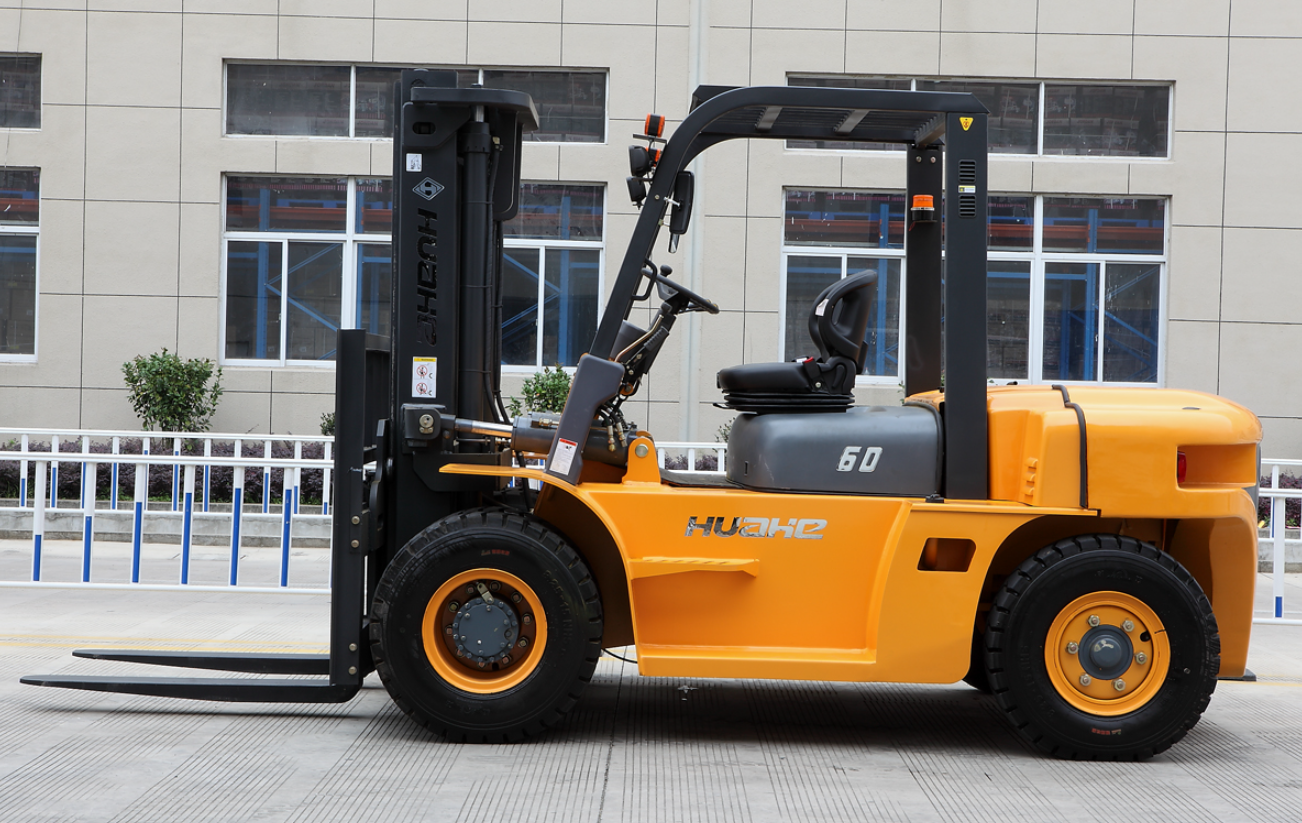
Jatkuvan turvallisuuden varmistamiseksi jatkuvan koulutuksen ja valvonnan sitoutuminen on yhdistettävä erinomaisen luotettaviin laitteisiin. Tehtaiden johtajien tulee suunnitella ja järjestää säännöllistä kertauskoulutusta, jakaa turvallisuusincidenttejä ja lähes tapahtuneita tapauksia sekä antaa myönteistä palautetta turvallisesta käyttäytymisestä. Korkealaatuisten ja hyvin huollettujen paikallisnostonostimien käyttö vähentää myös riskejä. HUAHE valmistaa ja toimittaa kestäviä ja sertifioituja paikallisnostonostimia korkeatasoisella valmistuskyvyllä, globaalilla toimituskyvyllä ja tehtaalle ja varastolle räätälöidyillä ratkaisuilla. Hyvän laadun laitteiden ja hyvän laadun koulutuksen yhdistelmä mahdollistaa turvallisen ja tehokkaan toiminnan. Laaja-alainen paikallisnostonostimien turvallisuuskoulutus varmistaa, että ihmiset ovat turvassa, kustannukset pysyvät hallinnassa ja tuottavuus saavuttaa maksimin. Ammattimaisen tiedon, käytännön kokemuksen ja hyvän laadun laitteiden yhdistelmällä jokainen tehdas pystyy saavuttamaan vahvan turvallisuussuorituksen.