
 EN
EN



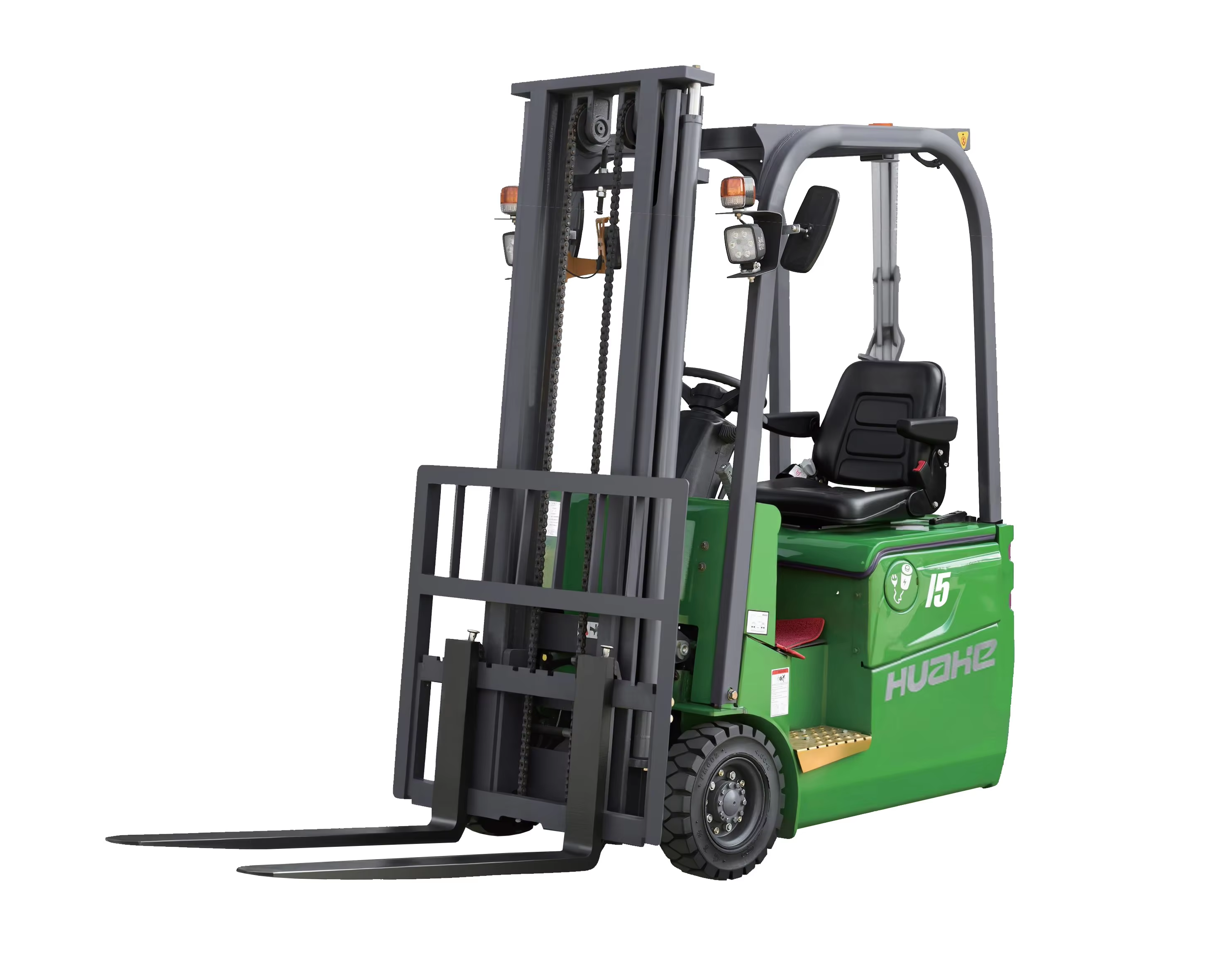
The Energy Revolution in Modern Material Handling
The shift toward electric forklifts is no longer just a trend motivated by green initiatives; it is a fundamental shift toward operational excellence. Electric forklifts are redefining what we expect from warehouse equipment by providing instant torque, lower noise levels, and superior control compared to traditional internal combustion alternatives. As we look at the evolution of modern warehousing, it is clear that efficiency is driven by the synergy between the motor control unit and the drive system. Huahe has observed that the most efficient forklifts on the market today are those that optimize the conversion of battery energy into mechanical work, reducing waste heat and maximizing the duty cycle. For a warehouse manager, this means more pallets moved per charge and a significantly smoother workflow during peak hours.
The Game Changing Impact of Lithium Battery Technology
Perhaps the single most significant factor in the modern efficiency of electric forklifts is the rapid adoption of lithium-ion technology. Gone are the days of the "dead shift" where battery charging took half the day, and maintenance was a constant, messy chore. Lithium-ion batteries allow for opportunity charging, meaning your fleet can be topped up during lunch breaks or short periods of inactivity without damaging the battery chemistry. Huahe integrates high-capacity, long-life lithium battery systems that support continuous multi-shift operations, allowing for a 24/7 warehouse rhythm that was previously impossible without expensive battery-swapping infrastructure. This leap in energy storage technology is the backbone of high-efficiency logistics, effectively removing the charging constraint from your operational planning.
Precision Control and Regenerative Braking Systems
True efficiency in an electric forklift is not just about how much power it uses, but how intelligently it manages that power. Advanced electronic control systems, like those pioneered in Huahe’s current lineup, act as the "brain" of the machine. These systems monitor load weight, speed, and braking patterns in real-time, adjusting energy consumption accordingly. One of the most important features to look for is a high-efficiency regenerative braking system. Every time the operator slows down or lowers the forks, the motor acts as a generator, feeding kinetic energy back into the battery. This feature might seem subtle, but over the course of thousands of lift cycles, it adds up to a substantial increase in overall run time, directly impacting your bottom line by reducing the frequency of needed charges.
The Synergy of Smart Technology and Fleet Management
Efficiency is also a product of intelligence. Modern electric forklifts are increasingly becoming data platforms. With the integration of fleet management software, managers can now monitor usage patterns, identify bottlenecks in the warehouse, and automate maintenance scheduling before a failure occurs. Huahe emphasizes that the efficiency of the machine is inextricably linked to the connectivity of the hardware. By providing forklifts that communicate with warehouse management systems, businesses can optimize pathing, reduce unnecessary travel distance, and ensure that every move is a productive one. When you have real-time data at your fingertips, you stop managing guesses and start managing performance.
Building Success Through Manufacturing Excellence and Service
Ultimately, the efficiency of an electric forklift is a reflection of the manufacturer's commitment to quality. A forklift that spends more time in the repair shop than on the floor is inherently inefficient, regardless of its technological specs. Huahe maintains a rigorous manufacturing standard, utilizing premium-grade components and a robust supply chain to ensure every unit is ready for the rigors of modern logistics. By focusing on both the mechanical hardware and the digital service ecosystem, the brand ensures that customers receive a machine that performs at peak efficiency from day one. Choosing a partner who understands the integration of advanced battery tech, smart control systems, and long-term support is the difference between an operational cost and a competitive advantage in the global market.