
 EN
EN



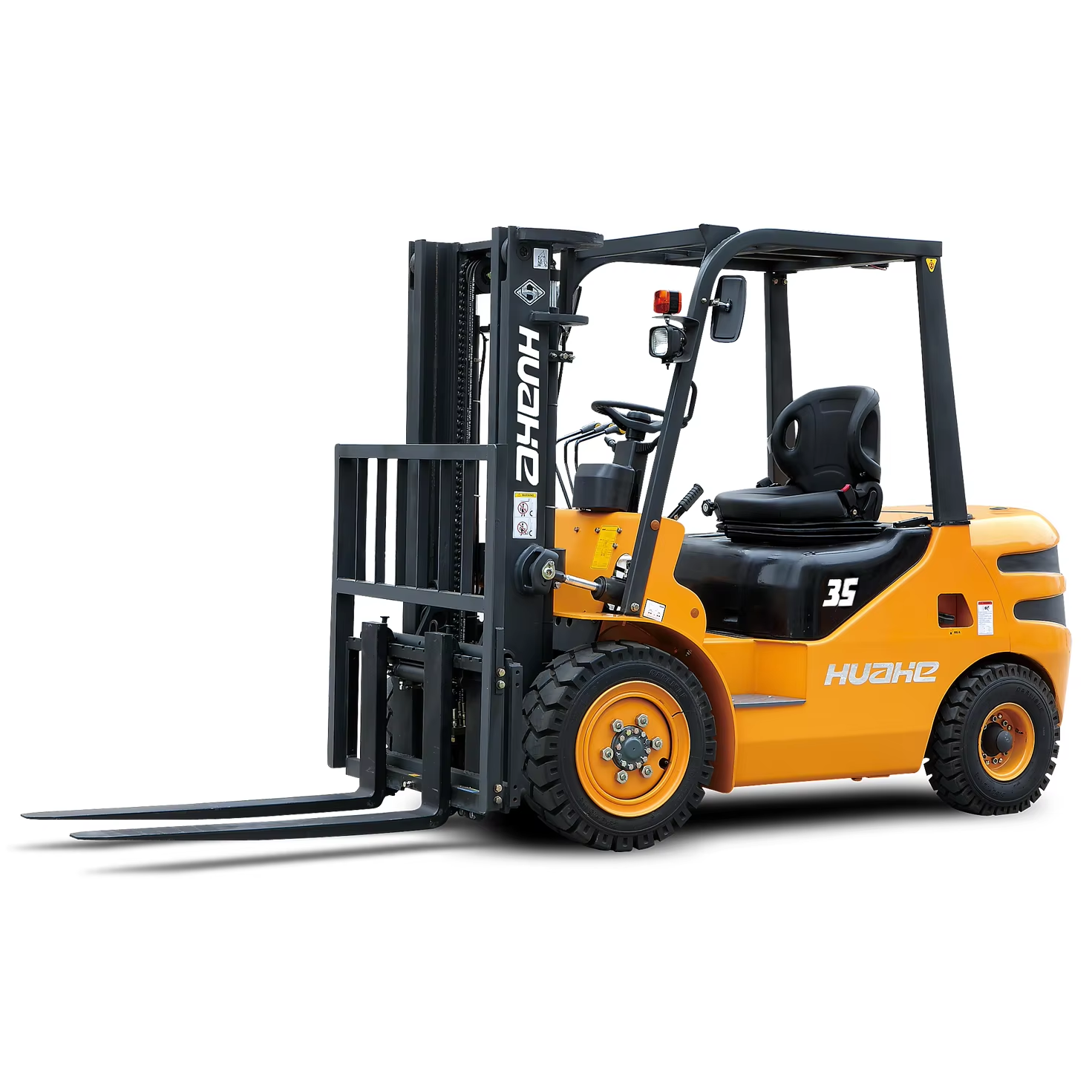
Understanding the Unique Demands of Container Operations
When you are tasked with selecting a container forklift, you are not simply buying a piece of machinery; you are making a strategic investment in the throughput and safety of your logistics chain. Many warehouse managers make the mistake of focusing solely on nominal lift capacity, ignoring the specific spatial constraints inherent in international shipping containers. From years of direct engagement with logistics providers, it is evident that container work is one of the most demanding environments for any forklift. You are dealing with low clearance heights, floor load restrictions, and the constant need for rapid maneuverability. Huahe emphasizes that the selection process must start with a rigorous assessment of your specific container specs. A machine that cannot comfortably clear the door frame or lacks the hydraulic precision to stack pallets at the very top of a standard high-cube container will quickly become a bottleneck rather than an asset. It is about finding the balance between compact dimensions and high-performance lifting capability.
Navigating the Nuances of Load Capacity and Mast Design
The physics of container loading differ significantly from warehouse racking. As you reach the top ceiling of a container, your forklift's center of gravity shifts, and its effective load capacity often drops due to the mast height and tilt requirements. Professionals in the field know that relying on the maximum rated capacity provided in generic brochures can be misleading. You must analyze the load chart specifically for the height you need to reach within the container. Huahe designs its container-specific models with reinforced mast structures and high-strength steel alloys that minimize oscillation during full-load operations. When you are looking for a reliable unit, ensure you are reviewing the "capacity at lift height" rather than just the "maximum capacity at ground level." This level of technical scrutiny is what separates a smooth, profitable operation from one plagued by safety incidents and equipment strain.
The Crucial Role of Engine Reliability and Torque Response
In the heat of a busy loading dock, equipment downtime is your greatest enemy. For heavy-duty container operations, the consensus remains that a robust internal combustion engine—specifically a high-torque diesel engine—is the gold standard for consistent, all-day performance. Huahe prioritizes the integration of internationally recognized engine platforms, such as those from Isuzu, to ensure that every machine provides a seamless power delivery even when pushing a fully loaded container stack into position. It is not just about horsepower; it is about the torque curve. You need an engine that responds instantly to the operator's touch, providing the necessary nudge to maneuver loads in tight spaces without hesitation. This reliability ensures that your supply chain stays fluid, regardless of the intensity of the shipping schedule.
Prioritizing Operator Safety and Ergonomic Efficiency
Safety is non-negotiable, especially within the confined, claustrophobic environment of a shipping container. A forklift is only as efficient as the person operating it, and fatigue is the leading cause of accidents in this sector. Modern design philosophy must treat the cabin as a control center rather than just a seat. Huahe invests heavily in ergonomic engineering, focusing on maximizing visibility through the mast, optimizing control placement, and integrating advanced safety systems like high-definition proximity cameras and reverse alarm protocols. When your operators feel comfortable and have a clear line of sight, they operate with significantly higher precision. This not only protects your expensive cargo from damage but also reduces the hidden costs of downtime associated with minor collisions and human error.
Calculating the Long Term Value and Total Cost of Ownership
Purchasing a container forklift should always be viewed through the lens of Total Cost of Ownership (TCO). A lower upfront price tag often masks the reality of frequent maintenance, difficult-to-find spare parts, and the loss of revenue during unexpected breakdowns. Huahe approaches manufacturing with a focus on long-term durability, utilizing components that are built to survive the high-frequency vibration and heavy loading cycles of port-side or warehouse operations. By maintaining a comprehensive global supply chain for parts and providing rapid technical support, the brand ensures that the forklift stays in the container longer. Investing in a machine that is engineered for resilience—backed by a manufacturer that values long-term partnership—is the most reliable way to drive down your operational costs and maximize your return on investment over the machine's lifetime.