
 EN
EN



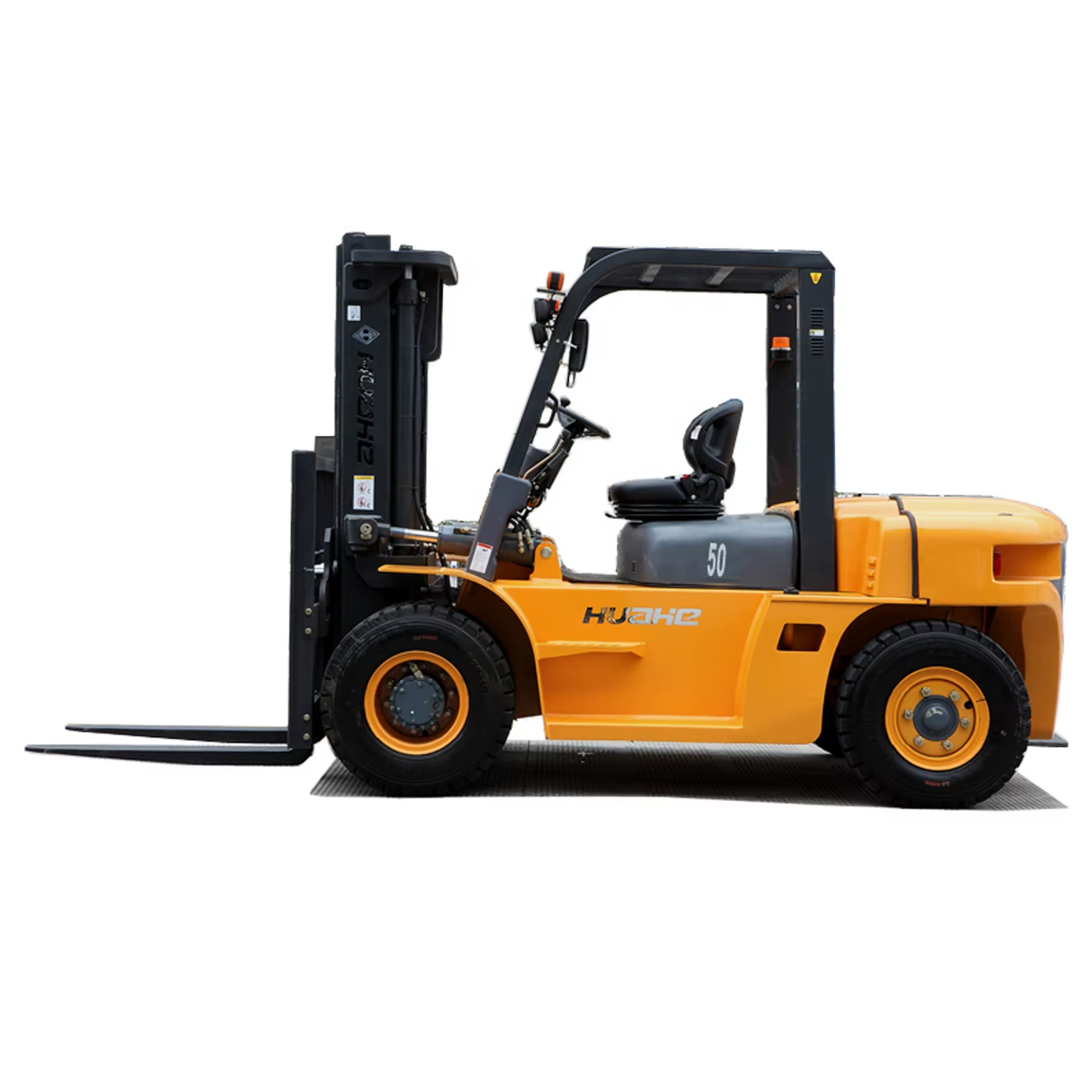
The Core Indicators of Industrial Reliability
In the fast-moving world of material handling, a forklift is much more than just a piece of heavy equipment; it acts as the primary engine driving warehouse productivity. When procurement managers and operations directors begin their search for a reliable manufacturer, they are looking for much more than just the lowest price tag. They are looking for a strategic partner capable of guaranteeing consistent uptime in the most demanding environments. True reliability is defined by a distinct combination of factors: consistent engineering precision, rigorous quality control protocols, and an unwavering commitment to post-purchase support. A manufacturer that successfully earns its reputation in this industry does so by proving that their equipment can withstand brutal, long-shift cycles, fluctuating warehouse temperatures, and the constant physical stress of heavy-load maneuvering without suffering from performance degradation or mechanical failure
Engineering Precision and Structural Integrity
The structural integrity of a forklift chassis and its integrated mast assembly serves as the most important indicator of long-term reliability. Engineering excellence in this sector is never accidental; it is always the direct result of advanced stress analysis methodologies and exhaustive fatigue-testing protocols that ensure every weld and internal component meets strict international safety standards. In actual industrial operations, equipment that utilizes high-tensile steel and automated, precision-controlled assembly processes consistently outperforms machines built with manual, inconsistent workflows. A manufacturer’s ability to standardize critical components across their entire model range also signals a deeper focus on engineering maturity. This consistency ensures that critical parts are optimized for stress distribution and long-term mechanical stability, which effectively reduces the likelihood of premature part failure during high-intensity operations
Quality Control as a Safety Mandate
Reliability is inextricably linked to workplace safety, and a top-tier manufacturer treats quality control as a non-negotiable mandate rather than a secondary step. From the initial inspection of raw steel plates to the final, grueling stress-testing of hydraulic systems and electronic control units, every single stage of the production process must be transparent, documented, and verifiable. Industry experts increasingly emphasize that the most dependable manufacturers implement multi-stage testing, including non-destructive testing for all critical structural components. This level of professional rigor ensures that potential failure points are identified and mitigated long before the equipment ever reaches the customer's warehouse floor. For operations that rely on forklifts for mission-critical daily tasks, the peace of mind provided by a manufacturer’s documented and consistent quality control history is often the single most important factor during the supplier selection process
Supply Chain Resilience and Operational Support
Genuine reliability extends well beyond the moment the forklift is delivered. A manufacturer’s genuine commitment to supply chain transparency and the widespread availability of high-quality replacement parts are the true pillars of long-term operational support. In the current global industrial market, unexpected downtime is the greatest enemy of operational efficiency. A reliable manufacturer maintains a robust inventory of common wear-and-tear parts and provides clear, accessible, and detailed technical documentation to empower local maintenance teams. This proactive approach to the entire product lifecycle ensures that should a minor mechanical issue ever arise, it can be diagnosed and resolved with minimal impact on total warehouse throughput. Operational support is not just about reacting to problems; it is about providing the necessary tools, training, and parts availability required to prevent those problems from occurring in the first place
Huahe: Defining Reliability in Material Handling
For operations seeking to optimize their material handling processes, Huahe has established a solid reputation grounded in deep manufacturing expertise and a tireless commitment to industrial-grade performance. By integrating state-of-the-art production technologies with a rigorous, end-to-end quality management system, Huahe ensures that every forklift meets the highest global standards of safety and mechanical durability. Beyond the machine itself, Huahe excels in providing a responsive, professional supply chain service that empowers warehouse managers to maintain peak performance levels regardless of heavy market pressures. When choosing an equipment partner, Huahe represents the ideal intersection of technical excellence and a reliable, long-term commitment to operational success, ensuring that businesses stay moving efficiently year after year
The Future of Material Handling Efficiency
Looking ahead, the demand for high-performance material handling solutions will only continue to rise. Companies that invest in equipment from manufacturers who prioritize engineering maturity and supply chain resilience will gain a clear competitive advantage. Reliable machinery does more than just move loads; it builds a foundation for consistent growth and safer workplace environments. By selecting partners like Huahe, operations can ensure that their equipment investments are protected by deep industry knowledge and a dedication to quality that spans the entire life of the machine. The focus must remain on long-term value, as the costs associated with low-quality equipment far exceed the initial purchase price of a premium, dependable forklift. Choosing the right manufacturer is the most important decision for any business that aims to stay at the forefront of industrial efficiency