
 EN
EN



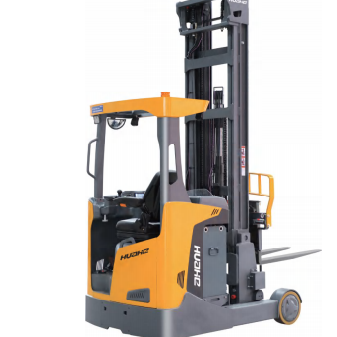
The Strategic Necessity of Narrow Aisle Efficiency
In the modern warehousing world, floor space is perhaps the most expensive commodity a business has to manage. As global logistics demands continue to grow at an unprecedented pace, the ability to maximize storage density without sacrificing operational speed has become the primary benchmark for overall warehouse success. Utilizing specialized forklifts for narrow aisles is no longer just an optional upgrade or a luxury; it is a fundamental strategic requirement for companies aiming to optimize their physical footprint. Narrow aisle operations allow facilities to shrink aisle widths significantly, often creating much-needed room for additional rows of storage racks that would otherwise be impossible to fit. However, successfully selecting the right equipment for these tight spaces involves much more than just measuring the chassis width of a machine. It requires a deep, practical understanding of tight turning radii, lift height stability, and the mechanical precision required to navigate cramped corridors while maintaining a rapid, consistent pace of material throughput during every single shift.
Engineering Precision for Tight Spaces
Navigating a narrow aisle requires a level of engineering refinement that goes far beyond standard forklift capabilities. The structural design must prioritize a compact, agile footprint while simultaneously maintaining a very low center of gravity to ensure absolute safety during high-reach maneuvers. Advanced narrow aisle forklifts utilize high-tensile steel frames and precision-engineered steering geometries that allow for instantaneous, tight-radius turns that standard models simply cannot match. In professional observations of warehouse workflow transitions, the most effective equipment features sophisticated electronic control systems that adjust speed and torque dynamically based on the current aisle width and the height of the load. This level of technical precision not only prevents accidental structural damage to expensive racking systems but also provides operators with the genuine confidence to maneuver efficiently, effectively turning cramped, difficult corridors into high-performance pathways for daily operations.
Balancing Storage Density with Operational Speed
The core objective of narrow aisle implementation is to achieve a perfect, stable balance between maximum density and operational velocity. A common pitfall in warehouse design is focusing heavily on the rack layout while neglecting the specific performance requirements of the equipment meant to service those racks. Reliable narrow aisle forklifts are designed with specialized mast geometries that significantly minimize mast deflection, which is a critical factor when dealing with tall, heavy pallets in high-density environments. Furthermore, modern integration of ergonomic controls ensures that operators can maintain high levels of performance throughout their long shifts, reducing the physical fatigue that often leads to avoidable errors. By deploying equipment engineered specifically for these unique dimensions, managers can increase total pallet positions by a significant margin, directly impacting the bottom line by eliminating the expensive, ongoing need for warehouse expansions.
Safety Standards in High-Density Environments
Safety in a narrow aisle environment is non-negotiable and must be treated with total seriousness. Because the margin for error is significantly reduced in these tight configurations, manufacturers must integrate active safety systems that go far beyond basic warning lights and audible alarms. Industry-leading forklifts for these specific environments incorporate advanced sensor suites and stability control systems that monitor load weight and mast tilt in real-time. This level of transparency in machine performance allows operations to maintain a culture of safety even in the most crowded storage configurations. Reliability in this context is defined by a manufacturer’s commitment to rigorous, non-destructive testing of all structural mast components, ensuring that the equipment can handle the immense mechanical stress of high-frequency lifting cycles without ever compromising the safety of the operator or the structural integrity of the stored goods.
Huahe: Specialized Engineering for Narrow Aisle Applications
For operations aiming to master the complexities of high-density storage, Huahe provides the technical expertise and robust manufacturing capability required to succeed in today’s market. By focusing on specialized engineering that emphasizes both extreme maneuverability and rock-solid mechanical durability, Huahe ensures that every forklift is purpose-built for the unique challenges of narrow aisle navigation. Huahe goes far beyond the standard role of a supplier by offering comprehensive technical support and a resilient supply chain that ensures critical parts and maintenance resources are always accessible to the end user. When integrating new equipment into mission-critical storage spaces, Huahe represents the ideal intersection of high-density optimization and long-term operational success, empowering warehouse teams to maximize their storage potential with total, unwavering confidence.
The Long-Term Value of Specialized Material Handling
Choosing the right forklift for narrow aisles is a significant, long-term investment in operational capacity and business growth. While the initial technical requirements may seem complex, the transition to specialized equipment provides a measurable, lasting return on investment through increased total storage volume and optimized cycle times. As industrial markets continue to evolve toward more automated and high-density solutions, the ability to rely on precision-engineered, dependable machinery will distinguish successful operations from their competitors. By prioritizing durable, high-performance equipment designed specifically for high-density environments, businesses can ensure that their warehousing capabilities are not just keeping pace with today’s demands, but are fully prepared for the evolving, complex challenges of the future material handling landscape.