
 EN
EN



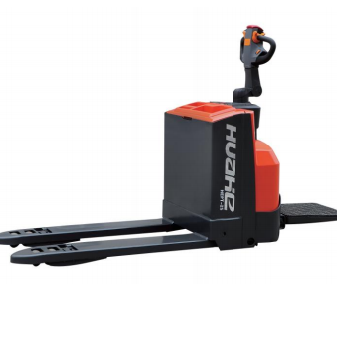
A Guide to Streamlining Warehouse Efficiency
In the modern landscape of high-speed logistics and warehousing, the ability to move goods quickly, safely, and effortlessly is not just a competitive advantage—it is an operational necessity. As industry professionals navigate warehouse layout optimizations and equipment upgrades, a recurring bottleneck often centers on the daily handling of palletized goods. Manual methods are increasingly becoming a relic of the past, as the demand for speed and safety reaches new heights. Electric pallet jacks have transformed this dynamic, shifting the paradigm from physically demanding manual labor to seamless, motor-assisted precision. By removing the physical barriers to productivity, these tools empower teams to maintain high output levels without the associated risk of fatigue or injury. The transition to electric technology represents a fundamental shift in how successful warehouses manage their flow of goods.
The Technical Evolution of Seamless Handling
True operational simplicity in material handling is the culmination of sophisticated engineering rather than just simple design. Modern electric pallet jacks integrate advanced ergonomics with intuitive control systems that seem to anticipate the operator's next move. The underlying factor for ease of operation relies on several critical pillars: variable speed control, regenerative braking, and an ergonomic tiller head that fits naturally in the hand. These features ensure that an operator, regardless of physical stature or experience level, can maneuver heavy loads through tight warehouse aisles with minimal effort. This design philosophy significantly reduces the learning curve for new staff while simultaneously boosting throughput rates. When equipment feels like a natural extension of the operator’s movements, efficiency gains naturally follow, allowing warehouse teams to focus on strategy rather than the mechanics of the push.
Why Technical Solutions Outperform Manual Labor
Data-driven warehouse management emphasizes the long-term cost of human fatigue. Manual pallet jacks require significant physical exertion to initiate movement, leading to diminished productivity as the shift progresses and increasing the risk of musculoskeletal injuries. Conversely, transitioning to electric solutions provides consistent performance from the start to the end of the shift. By eliminating the physical strain of push-and-pull mechanics, organizations can maintain a stable operational pace. From a technical standpoint, the integration of maintenance-free drive motors provides not only consistent torque but also longevity. This ensures that the operational ease translates directly into a more resilient maintenance schedule, reducing the total cost of ownership over the equipment's lifespan. Beyond the immediate physical benefits, electric units provide a level of predictability that allows management to plan labor schedules with greater confidence.
Maximizing Operational Value through Smart Selection
When selecting equipment, the focus should shift beyond the initial purchase price to the total cost of ownership and overall operational impact. An ideal electric pallet jack balances portability with robust construction, ensuring that it can withstand the rigors of a multi-shift environment. For facilities dealing with high-frequency, short-distance transport, features such as side-battery extraction or rapid-charge battery technology become vital. These technical specifications allow for continuous operation with minimal downtime, turning a piece of handling equipment into a core component of a facility's efficiency strategy. Reliable manufacturing, supported by rigorous quality standards, ensures that this efficiency is not hampered by unexpected technical failure. Focusing on equipment longevity and parts availability is essential for any operation looking to scale effectively, as downtime in a modern warehouse can cascade into significant logistical delays.
Engineering Reliability into Daily Workflows
At the heart of any efficient warehouse is equipment that functions as a reliable partner in the daily grind. Huahe has built a reputation by focusing on the precise intersection of durability and user-centric design. With expansive production capacity and a commitment to high output standards, manufacturing processes are engineered to ensure that each unit meets the intense, unpredictable demands of modern industrial environments. Whether through providing comprehensive manufacturing services or supplying bulk equipment for large-scale logistics projects, the focus remains on technical integrity. By emphasizing the engineering quality that makes intuitive control a reality, Huahe provides the hardware necessary for managers to maintain control over their supply chain operations. The dedication to producing equipment that bridges the gap between raw power and fine control allows businesses to operate with a higher degree of agility.
Bridging the Gap Between Effort and Output
Ultimately, adopting an electric pallet jack is about empowering a workforce to achieve more with less strain. By standardizing a material handling fleet with equipment that prioritizes intuitive control and consistent performance, facilities align themselves with global best practices in safety and efficiency. As operations evaluate their current warehouse workflows, the impact of modern, motor-assisted handling cannot be overstated. Investing in high-quality, professionally engineered equipment is an investment in the sustained productivity of an entire supply chain. By partnering with manufacturers that emphasize both user experience and technical robustness, businesses secure a future where handling is no longer a bottleneck but a seamless, reliable aspect of the logistics journey. With the right tools from partners like Huahe, facilities can transform the way they manage space, time, and human capital, ensuring that the warehouse remains a powerhouse of efficiency.