
 EN
EN



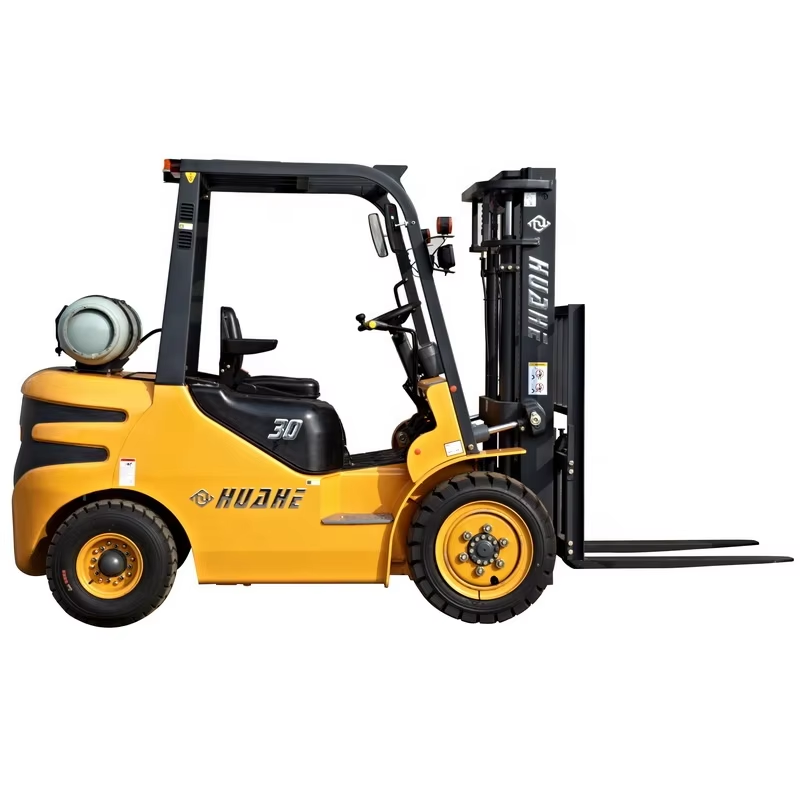
Understanding the Role of Industrial Forklift Equipment in Modern Warehousing
The logistics and supply chain sectors rely heavily on efficient material handling equipment to maintain smooth daily operations and high throughput rates. As a specialist who has spent years evaluating mechanical handling fleets for large-scale distribution centers, I have observed how equipment selection directly dictates warehouse productivity. Among the various material handling assets, a high-performance industrial forklift serves as the backbone of modern warehouse logistics, bridging the gap between heavy cargo transport and precise inventory placement. When operations managers assess their facility requirements, they focus on finding a reliable industrial forklift that can handle diverse load capacities while ensuring operator safety and minimizing downtime. Incorporating a robust industrial forklift into a logistics project allows facilities to optimize vertical storage space and accelerate turnaround times for inbound and outbound shipments. Furthermore, modern warehouse managers increasingly demand an industrial forklift that balances raw lifting power with energy efficiency, making the choice of such machinery an essential asset for maintaining a competitive edge. Ultimately, deploying an advanced industrial forklift empowers enterprises to streamline workflows and reduce labor fatigue across demanding operational environments.
Evaluating Technical Specifications and Operational Capacities
Assessing the feasibility of deploying heavy machinery requires a comprehensive review of lifting heights, power sources, and load center ratings. When integrating a high-capacity industrial forklift into active logistics projects, fleet managers must carefully evaluate performance metrics such as mast configurations, turning radii, and travel speeds to match specific warehouse layouts. Modern material handling solutions are engineered to deliver precise control, enabling operators to navigate narrow aisles and stack palletized goods efficiently without compromising structural stability. During my consultations with warehouse engineering teams, I have frequently noted that matching the correct industrial forklift tonnage capacity and powertrain option to daily workload demands significantly reduces maintenance costs and extends equipment lifespan. For businesses looking to scale their fulfillment operations, partnering with dependable manufacturing suppliers who provide transparent performance data is critical. This technical alignment ensures that every machine operates within safe parameters, protecting both the capital investment and the warehouse personnel while maintaining consistent productivity across multi-shift schedules.
Maximizing Efficiency and Fleet Management in Logistics
Beyond raw mechanical power, the overall success of a logistics project depends heavily on optimal fleet coordination and workflow integration. Deploying a dependable industrial forklift fleet delivers exceptional operational value by reducing bottlenecks in loading bays and maintaining a steady flow of inventory. When facilities implement structured maintenance schedules and ergonomic operator controls, they foster a safer workplace while enhancing daily task execution. Industry evaluations consistently demonstrate that well-maintained material handling equipment minimizes unexpected breakdowns, allowing distribution centers to meet stringent delivery deadlines consistently. In my experience analyzing warehouse productivity metrics, operations that prioritize regular component inspections and operator training achieve superior throughput and lower total cost of ownership. By integrating robust machinery into core logistics workflows, enterprises project operational reliability and structural agility. This strategic approach not only satisfies modern fulfillment demands but also insulates the enterprise from costly operational delays, securing long-term financial stability and a distinct competitive advantage in the logistics sector.
Overcoming Operational Challenges and Ensuring Safety Compliance
While the advantages of mechanized material handling are substantial, successfully managing a logistics fleet requires rigorous adherence to safety standards and proactive maintenance protocols. Operating heavy machinery in fast-paced distribution environments means facility managers must account for variables such as floor surface conditions, ramp inclines, and pedestrian traffic zones. To address these operational factors effectively, companies utilizing an industrial forklift must establish comprehensive daily inspection routines and enforce strict operator certification guidelines. Maintaining rigorous safety compliance guarantees that the machinery functions reliably under heavy daily stress just as effectively as standard baseline expectations. Based on practical logistics insights, proactive communication with equipment manufacturers allows fleet supervisors to fine-tune maintenance intervals and source replacement parts efficiently. By confronting these operational hurdles directly through systematic safety management, businesses demonstrate transparency and a steadfast dedication to workplace protection. This meticulous approach ensures that heavy material handling never compromises the safety of personnel or the integrity of stored goods.
Future Outlook for Smart Material Handling Solutions
The long-term trajectory of the global logistics and warehousing industry points definitively toward automation, enhanced energy efficiency, and intelligent fleet integration. As engineering innovators continue to refine mechanical performance and power systems, the overall utility and reliability of an industrial forklift will continue to expand. Industry forecasts suggest that investments in advanced material handling technologies will accelerate rapidly over the coming decade, driven by growing e-commerce volumes and stricter workplace safety regulations. For forward-thinking enterprises, committing to modernizing their equipment fleets today represents a proactive investment in future-proof operations and scalable supply chain growth. By embracing versatile machinery now, companies can establish robust distribution networks and build authentic operational resilience before high-efficiency standards become mandatory across international trade sectors. The ongoing evolution of logistics equipment guarantees that future applications will offer even greater precision, reduced environmental impact, and enhanced operator comfort. Ultimately, adopting forward-thinking equipment strategies is a fundamental step toward redefining efficiency, safety, and productivity for the next generation of global supply chain management.
Table of Contents
- Understanding the Role of Industrial Forklift Equipment in Modern Warehousing
- Evaluating Technical Specifications and Operational Capacities
- Maximizing Efficiency and Fleet Management in Logistics
- Overcoming Operational Challenges and Ensuring Safety Compliance
- Future Outlook for Smart Material Handling Solutions