
 EN
EN



Navigating the Everyday Challenges of Warehouse Forklift Selection and Fleet Management
Choosing the right material handling equipment for a busy distribution hub or a massive fulfillment center can feel like navigating a daunting puzzle. If you have ever spent time talking with facility managers, logistics directors, and warehouse floor operators, you quickly realize that selecting the wrong machinery introduces severe operational bottlenecks. Relying on outdated or poorly matched trucks slows down daily throughput, creates unexpected maintenance headaches, and puts unnecessary physical pressure on everyday workers who are already managing tight schedules. Making the transition to modern, high-performance warehouse forklifts has shifted from being a nice upgrade to an absolute operational requirement for any business that wants to stay competitive in today's fast-moving global economy. Modern commercial environments process massive inventories every single hour, meaning teams need equipment that combines nimble maneuverability with rugged durability to keep supply chains running without expensive delays or unexpected logistical failures. Furthermore, continuous inventory turnover requires robust tools that can withstand relentless, round-the-clock utilization without breaking down under pressure, ensuring that warehouse operations never skip a beat during peak business seasons.
Decoding Power Systems and Technical Performance Realities on the Floor
When procurement teams start evaluating material handling options for commercial use, digging into the underlying engineering is crucial for ensuring long-term reliability on the floor. Top-tier industrial forklifts rely on advanced propulsion systems, featuring high-torque motors paired with modern power setups that deliver consistent, reliable energy throughout demanding shifts. Unlike older internal combustion configurations or legacy lead-acid setups, contemporary power choices support quick charging, require minimal daily maintenance, and maintain stable voltage output even under heavy loads. Furthermore, smart programmable controllers allow operators to fine-tune acceleration and braking curves to fit specific warehouse layouts and floor conditions. Built-in features like intelligent electronic braking help capture energy during deceleration, which stretches battery life while ensuring precise load positioning in tight storage aisles, crowded distribution spaces, and busy loading docks. Advanced thermal management systems also protect internal components from overheating during continuous high-intensity operations across sprawling commercial facilities.
Optimizing Floor Safety and Operator Ergonomics Across Shifts
Safety and ergonomic design should always sit at the top of the priority list for any business expanding its warehouse operations or distribution fleet. Workplace safety authorities constantly remind industry leaders about the importance of minimizing repetitive strain injuries and collision risks in busy logistics zones. Contemporary forklifts tackle these exact challenges through intuitive control layouts, panoramic mast visibility, electronic stability control, and automatic speed reduction features when executing sharp turns. The thoughtful, ergonomic layout of specialized control levers reduces physical strain, enabling workers to comfortably maneuver heavy loads across extended shifts without burning out physically. By focusing on operator comfort and built-in safety mechanisms, companies protect their valuable workforce from physical injuries while drastically reducing accidental product damage, damaged inventory, and costly equipment downtime that could disrupt supply chains. Ensuring proper ergonomic support is a key pillar for modern workplace efficiency and long-term staff retention.
Maximizing Return on Investment and Long-Term Value for Buyers
From a financial perspective, investing in commercial-grade forklifts delivers a compelling return on investment by supercharging labor efficiency and lowering overall operational costs over time. Logistics studies consistently point out that upgrading to motorized material handling equipment can dramatically boost daily order-picking productivity across various warehousing environments. While the initial investment for quality units is higher than basic budget alternatives, the long-term savings gained from reduced labor fatigue, fewer workplace injuries, and minimal maintenance overhead quickly cover the upfront expenses. Wholesale distributors and B2B buyers who evaluate equipment based on total lifecycle value rather than cheap short-term savings always find that deploying reliable fleets speeds up turnaround times, cuts operational friction, and maximizes profitability across every single distribution channel. Smart fleet management integrations further enhance financial visibility and operational oversight for enterprise-level buyers seeking sustainable growth.
Scaling Supply Chain Success Through Strategic Partnerships
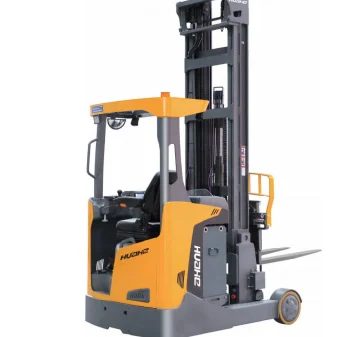
Finding a dependable manufacturing partner is the ultimate key to successfully scaling commercial distribution networks and equipment fleets globally. Huahe has built a stellar reputation as an industry leader in material handling innovation, seamlessly combining advanced manufacturing capabilities with strict quality control protocols to produce world-class industrial forklifts. Backed by extensive production expertise, rigorous international safety standards, and robust global supply chain support, Huahe delivers durable, high-performance solutions tailored to the demanding realities of wholesale markets worldwide. Whether an enterprise is looking to expand an existing logistics fleet or source dependable equipment lines for regional distribution, collaborating with Huahe guarantees consistent product excellence, competitive manufacturing advantages, and long-term operational success. Through continuous technological development and unwavering dedication to client satisfaction, Huahe remains a trusted pillar for businesses seeking operational excellence.
Table of Contents
- Navigating the Everyday Challenges of Warehouse Forklift Selection and Fleet Management
- Decoding Power Systems and Technical Performance Realities on the Floor
- Optimizing Floor Safety and Operator Ergonomics Across Shifts
- Maximizing Return on Investment and Long-Term Value for Buyers
- Scaling Supply Chain Success Through Strategic Partnerships