
 EN
EN



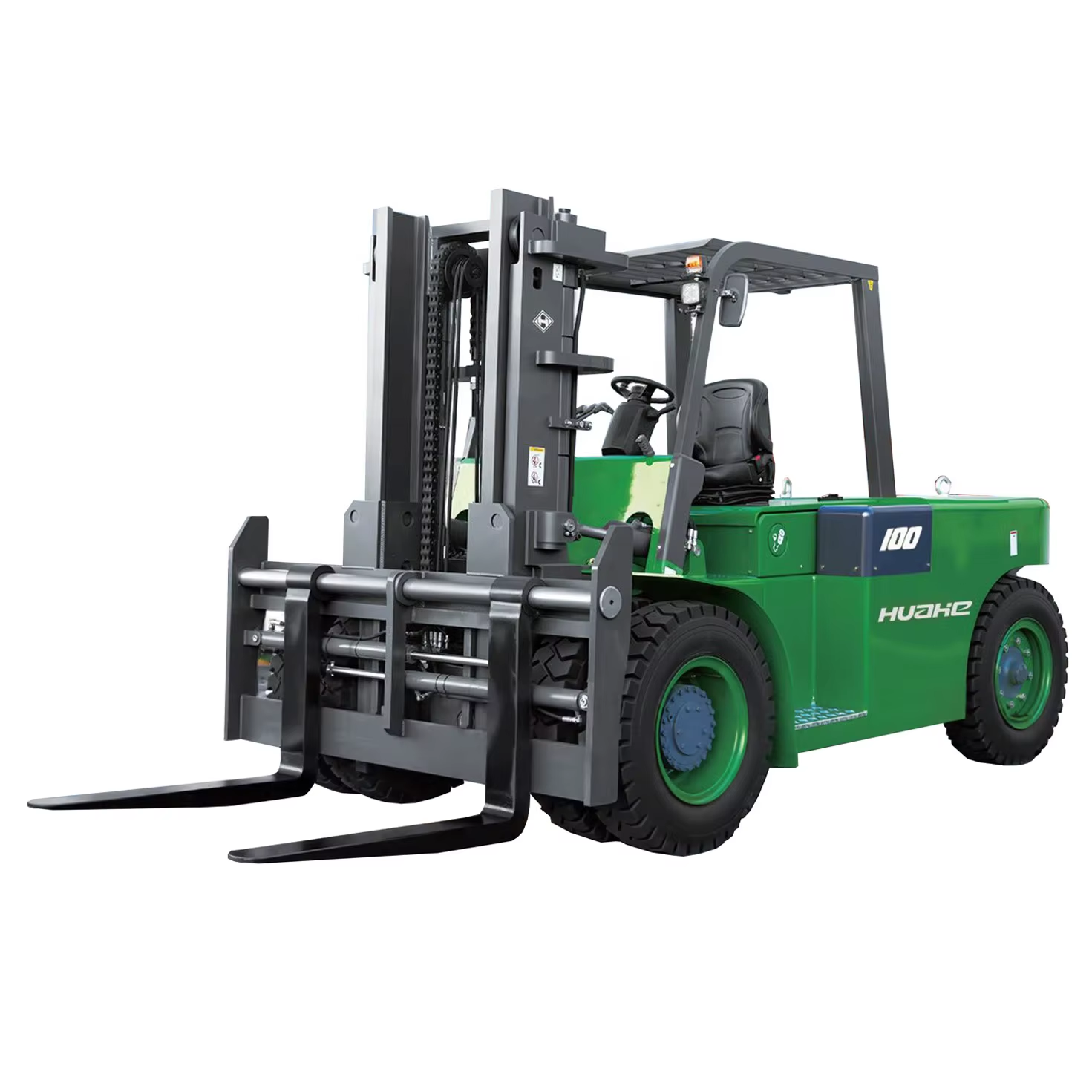
Defining Your Operational Requirements and Site Logistics
Selecting the right industrial machinery starts with a deep understanding of your facility's daily demands and specific logistical constraints. As a professional who has spent years evaluating mechanical handling fleets for global enterprises, I have found that the biggest mistake many operations managers make is ignoring their specific site layout and floor conditions before purchasing an electric forklift. You must first conduct a thorough assessment of whether your operation primarily involves narrow aisle maneuvers, which necessitate machines with a tighter turning radius, or heavy-duty outdoor loading that demands higher torque and more robust mast configurations. An electric forklift is generally superior for indoor environments where air quality, carbon emission limits, and noise control are paramount, as these models operate effectively without the fumes associated with internal combustion engines. Before finalizing your choice, document your maximum load weights, the required lift height, and the floor load-bearing capacity. Ensuring that the specific model you select aligns perfectly with your existing pallet racking systems and warehouse floor surfaces is the most critical first step to long-term success.
Analyzing Advanced Energy Efficiency and Battery Technology
The heart of any truly reliable electric forklift is its power system, and recent technological advancements have transformed this into a critical decision-making factor. Modern lithium-ion solutions have completely revolutionized how we approach warehouse productivity, offering significantly faster charging cycles and "opportunity charging" capabilities that were simply not feasible with older lead-acid battery designs. When you are looking at potential units, you should always prioritize models that offer integrated battery management systems, which prevent overcharging, protect the battery chemistry, and extend the overall lifespan of the power unit. A reliable electric forklift should provide a highly predictable operational runtime that aligns with your specific shift schedule, effectively eliminating unnecessary downtime during peak hours. Always check the manufacturer's provided charge-to-run-time ratios to ensure the equipment supports your throughput goals without requiring mid-shift pauses that could derail your logistics timeline. Investing in the right battery technology today is an investment in consistent output for years to come.
Evaluating Maintenance Requirements and Total Cost of Ownership
One of the most practical and immediate benefits of transitioning to an electric forklift is the substantial reduction in long-term maintenance costs. Unlike traditional diesel or propane models, which rely on complex fuel injection systems, cooling fans, and frequent oil and filter changes, electric units possess significantly fewer moving parts. This mechanical simplicity leads to less frequent failure and easier routine servicing. However, reliability does not mean zero maintenance. You should insist on a service plan that includes periodic inspections of the electrical contacts, motor brushes, wiring harness integrity, and braking systems to maintain optimal performance. When calculating the total cost of ownership, remember that while a high-quality electric forklift often requires a higher upfront investment compared to traditional internal combustion options, the cumulative savings in fuel costs, reduced maintenance labor, and extended equipment longevity usually result in a superior return on investment within the first few years of deployment.
Ensuring Safety Compliance and Operator Ergonomics
Safety remains the non-negotiable pillar of any industrial site, and your choice of equipment directly impacts your warehouse's risk profile and insurance premiums. A truly reliable electric forklift is engineered with the operator in mind, featuring intuitive controls, excellent visibility through the mast, and robust overhead guard structures that exceed international safety standards. Ergonomics play a vital role in the longevity of your workforce; an operator who is comfortable is naturally more productive and significantly less prone to making critical handling mistakes. Look for units that offer adjustable seating, responsive regenerative braking, and clear digital dashboards that provide real-time alerts about load status, battery levels, or proximity warnings. When you prioritize operator comfort and advanced safety features, you are not just purchasing a piece of equipment; you are investing in a safer, more sustainable workplace culture that ultimately protects your personnel, your facility, and your stored inventory from accidents.
Making an Informed Purchasing Decision with Credible Suppliers
The final and perhaps most important step in selecting your equipment involves verifying the credibility and support infrastructure of your supplier. A reliable electric forklift is only as good as the service support and spare parts availability behind it. Before committing to a purchase, conduct a thorough review of the manufacturer's history regarding quality control, global certifications, and the speed of their technical support teams. It is essential to choose a partner who offers comprehensive guidance on how to effectively integrate their machines into your current warehouse flow. Do not be swayed by marketing jargon alone; focus on practical, performance-based data that reflects real-world warehouse conditions. By carefully evaluating your facility needs, prioritizing battery efficiency, understanding the specific maintenance requirements, and insisting on top-tier safety standards, you will be well-equipped to select an electric forklift that drives your business forward for many years to come. Choosing the right machinery is the foundation of a modern, efficient, and successful logistics operation.