
 EN
EN



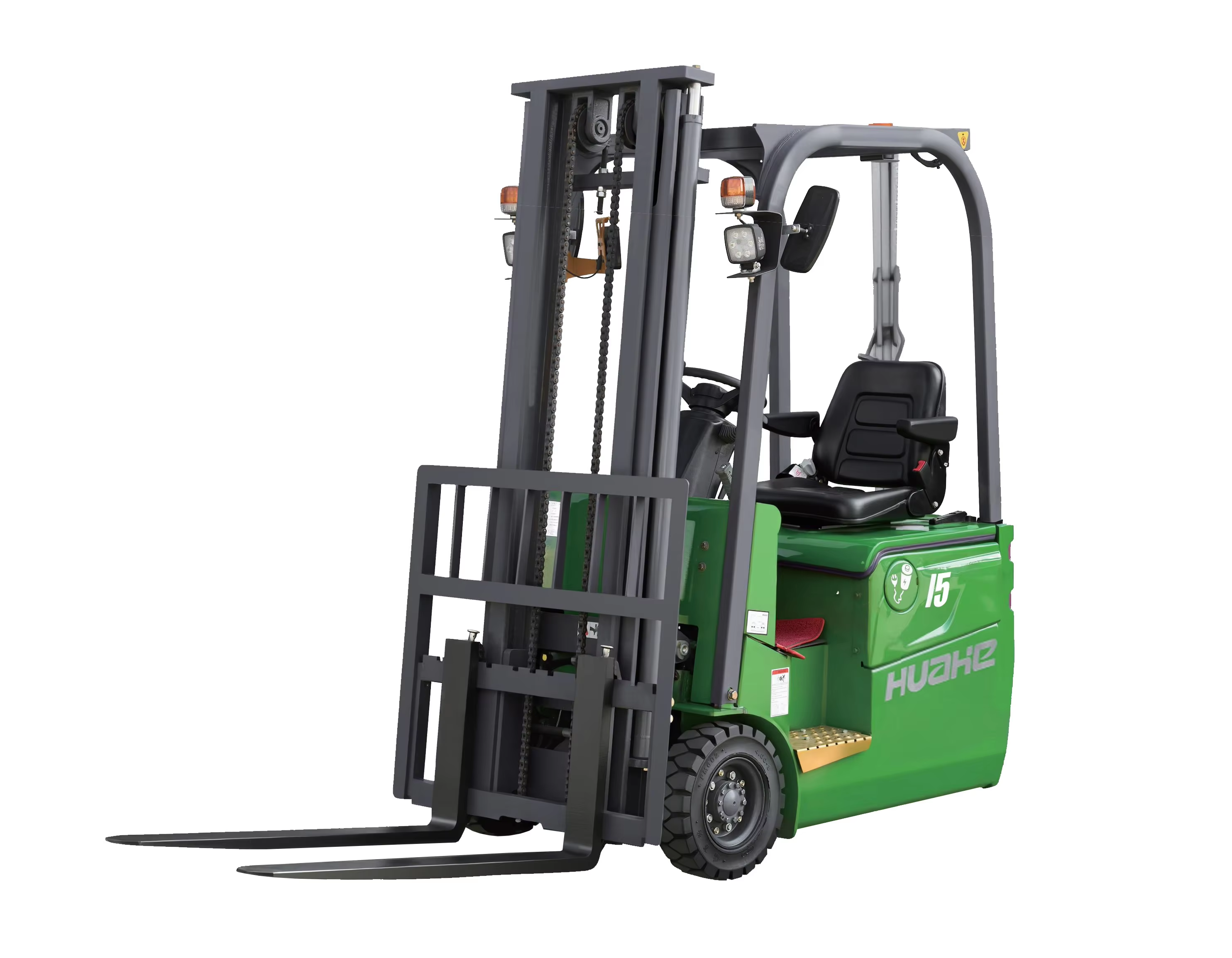
Understanding the Role of a Gas Forklift in Controlled Environments
When managing a high-volume manufacturing facility, selecting the right equipment is a delicate balance between power and environmental compliance. A gas forklift, typically fueled by Liquefied Petroleum Gas (LPG), has long been a staple in industrial settings due to its remarkable ability to provide consistent torque for heavy lifting tasks. Unlike electric models that may require lengthy recharging downtime, a gas forklift offers the advantage of rapid refueling—simply swapping a cylinder allows the machine to remain productive across multiple shifts without interruption. For indoor factory operations, the key is proper ventilation and the use of modern, clean-burning engine technology. These machines are engineered to handle the stop-and-go nature of warehouse work with ease, providing the necessary responsiveness for drivers who need to navigate tight aisles while moving raw materials or finished products effectively. Operators often prefer this equipment because it maintains consistent power levels without the performance fade associated with battery depletion. By integrating modern exhaust purification systems, today's gas forklift models are increasingly suitable for indoor environments where strict air quality standards must be upheld. This reliability ensures that your logistics pipeline remains fluid, regardless of peak demand cycles or sudden operational shifts.
Evaluating Key Performance Factors for Indoor Use
Performance in an indoor factory environment requires more than just raw lifting power; it demands precision and operator comfort. When you choose a gas forklift, you are selecting a vehicle known for its mechanical simplicity and high reliability. These units are often favored by operators because they provide a direct, tactile feel that is beneficial when maneuvering through complex storage systems. The modern gas forklift is designed to minimize vibration and noise, which are essential factors for maintaining a healthy and productive working environment for your staff. By focusing on models that feature ergonomic control layouts and clear sightlines through the mast, you can significantly enhance the safety and efficiency of your daily operations. A well-maintained gas forklift provides the versatility needed to manage diverse pallet loads, ensuring that your production flow remains uninterrupted regardless of the specific load weight requirements. Furthermore, the ability to operate effectively in various temperature conditions makes the gas forklift a reliable partner for facilities that may experience seasonal climate shifts or localized variations in indoor climate control. This adaptability means you do not have to worry about cold-start issues or power loss, which can be significant drawbacks for other types of material handling equipment in non-insulated factory spaces.
Maximizing Efficiency Through Proper Maintenance
To ensure your gas forklift operates safely and efficiently within an indoor facility, a proactive maintenance schedule is non-negotiable. Regular checks on the engine's air intake, exhaust systems, and fuel delivery components are essential to ensure the engine burns as cleanly as possible. Because indoor operations rely on clean air, maintaining the integrity of the exhaust system is a top priority. A reliable gas forklift should be inspected routinely to check for any signs of wear on hydraulic lines, steering components, and braking systems. This level of care not only extends the service life of your fleet but also reduces the total cost of ownership over the long term. By keeping the equipment in peak condition, you minimize the risk of mechanical failures, which in turn protects your warehouse throughput and ensures that the machine continues to serve as a high-performance workhorse for your factory. Additionally, utilizing original equipment manufacturer (OEM) parts during scheduled maintenance cycles ensures that the gas forklift maintains its factory-specified performance levels and safety certifications throughout its operational lifespan. A culture of preventative maintenance ultimately prevents small, manageable issues from escalating into major repairs that could stall your production goals for days at a time.
Selecting the Right Partner for Your Forklift Fleet
The decision to invest in a gas forklift for indoor factory operations should be supported by a partner who understands the nuances of industrial logistics. A reputable supplier will provide not just the equipment, but also the technical guidance required to integrate these machines into your facility’s existing workflow. When evaluating options, look for manufacturers who prioritize robust frame construction and advanced engine tuning, which help in managing fuel consumption and reducing overall emissions. It is important to focus on the long-term value, ensuring that the gas forklift you select is matched to the specific intensity of your facility’s demands. By partnering with a source that offers comprehensive spare parts support and clear technical documentation, you ensure that your investment in a gas forklift contributes to a more streamlined, productive, and reliable indoor material handling operation. In a competitive market, having a dedicated support team that can troubleshoot technical issues quickly means your internal material flow stays consistent, preventing the costly bottlenecks that often arise from equipment downtime. Making an informed choice today sets the stage for years of operational stability, allowing you to focus on your core business goals while your material handling fleet works seamlessly in the background.