
 EN
EN



Load Capacity and Lifting Height Matching
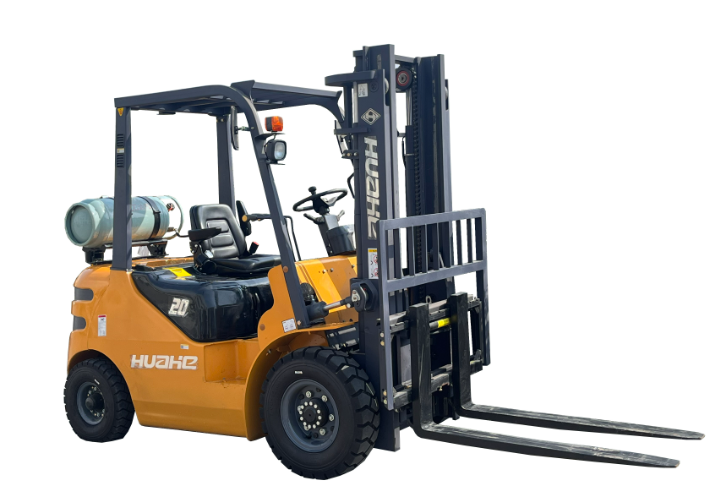
Port operations feature diverse cargo types from heavy steel billets to small container accessories, making load capacity the first critical factor in counterbalance forklift selection. National industrial standards clearly define the load rating range for counterbalance forklifts, with heavy port cargo requiring models with a minimum load capacity of 3.5 tons, while ultra heavy loads such as steel billets call for 10 ton or higher lithium battery models. Lifting height is equally important: general cargo stacking needs 3 to 4 meters of lifting height, while port yard operations may require up to 7 meters for high level stacking. In actual port operations, mismatched load capacity often leads to low efficiency or equipment damage, for example, a 2.5 ton forklift struggling with 3 ton container parts will not only slow down operations but also increase mechanical wear. Choosing the right load capacity and lifting height based on daily cargo volume and stacking requirements directly ensures stable port operation efficiency.
Power Type Selection for Port Scenarios
The choice of power type determines the adaptability of counterbalance forklifts to port indoor and outdoor mixed operations. Diesel forklifts with imported engines are ideal for outdoor heavy continuous operations due to their strong power and quick refueling, which fits the high load demand of port open yards. Lithium battery counterbalance forklifts stand out in green port construction, with zero emissions and low noise making them suitable for indoor port warehouses and closed cargo areas. A practical case from a domestic port shows that 35 ton lithium battery forklifts can save more than 150,000 yuan in annual energy costs compared with traditional diesel models, with motor efficiency exceeding 95%. Dual fuel models offer flexibility for ports with both indoor and outdoor operations, balancing fuel cost control and emission requirements. The key is to match the power type with specific operation areas, avoiding the inefficiency of using diesel models in closed spaces or lithium battery models in long term outdoor heavy operations.
Terrain and Operation Adaptability
Port operation terrain is complex, with open yards having uneven cement or gravel roads, which puts high demands on the stability and terrain adaptability of counterbalance forklifts. Forklifts for port use need to be equipped with high wear resistant polyurethane or solid tires to prevent punctures and skidding on rough roads, and the chassis structure should have enhanced stability to avoid rollover during heavy load turning. Three fulcrum counterbalance forklifts are suitable for narrow port cargo channels due to their small turning radius, improving space utilization, while four wheel models are more stable for open yard heavy load operations. In actual port experience, forklifts with poor terrain adaptability often have high failure rates, especially in rainy and snowy weather, and the lack of anti slip design will directly affect operation safety and efficiency.
Certification and Quality Compliance
Port operations involve global cargo transportation, so counterbalance forklifts must meet international certification and industry quality standards. CE and ISO certifications are the basic access requirements for forklifts used in international port operations, ensuring that equipment meets safety and environmental protection standards of different countries and regions. National industrial standards also specify strict technical requirements for heavy counterbalance forklifts, including load bearing performance and safety protection systems. Forklifts without formal certification may face obstacles in cross border port cooperation and even potential safety hazards in high load operations. In addition, certified products have more standardized production processes, and their key components such as engines and hydraulic systems have higher reliability, which is crucial for the 24 hour continuous operation of ports.
Long Term Operational Cost and Efficiency
Port operations focus on cost control and operational efficiency, so the selection of counterbalance forklifts must consider the whole life cycle cost rather than just the purchase price. Lithium battery forklifts have higher initial investment but lower long term costs, with no fuel consumption and minimal maintenance needs, only regular battery inspection. Diesel forklifts have lower purchase costs but high fuel and maintenance expenses, with engine oil changes and part replacements required at regular intervals. For ports with 24 hour continuous operation, forklifts with fast charging technology are more efficient, as lithium battery models can be quickly charged during short breaks to avoid operation interruption. In actual port operation statistics, the comprehensive cost of lithium battery counterbalance forklifts is 30% lower than that of diesel models in five years, and the operation efficiency is increased by 20% due to stable power output.
After sales Service and Supply Chain Support
The continuity of port operations means that forklift downtime will directly cause huge economic losses, so the after sales service and supply chain support of the brand are important selection factors. Forklift brands with a global distribution network can provide on site maintenance services in a short time, and the sufficient supply of spare parts ensures that faulty parts can be replaced quickly. In actual port experience, a small forklift hydraulic system failure can lead to cargo stacking stagnation for several hours if there is no timely after sales support, affecting the entire port operation schedule. Brands with professional after sales teams can also provide regular equipment inspection and maintenance guidance, reducing the probability of sudden failures and extending the service life of forklifts. For international ports, the brand's overseas service outlets are particularly important to ensure timely maintenance in cross border operations.