2026 Forklift Industry Pulse: Lithium Penetration Reaches the Tipping Point as Fleet TCO Reshapes B2B Procurement
Oct 02, 2026
2026 Forklift Industry Pulse: Lithium Penetration Reaches the Tipping Point as Fleet TCO Reshapes B2B Procurement
Published on: October 02, 2026 | By: Industrial Equipment & Logistics Solutions Group | Reading Time: ~6 min
Executive Summary: The Definitive Shift from Alternative to Benchmark
As we enter the final quarter of 2026, the global material handling sector is witnessing an undeniable structural paradigm shift. According to recent industrial machinery intelligence and global shipping statistics, lithium-ion forklift penetration within newly deployed electric equipment has officially surpassed the 80% milestone, decisively overtaking conventional lead-acid units across manufacturing hubs and distribution centers worldwide.
For warehouse operators, plant logistics supervisors, and procurement directors, fleet electrification is no longer an abstract corporate sustainability ambition. It has transformed into an exact financial formula centered around Cost Per Pallet Moved, uptime reliability, and operational resilience.
1. Operational Economics: Bridging the Gap Between Upfront CapEx and Long-Term OpEx
Traditionally, the primary barrier to purchasing a lithium-ion forklift was the higher initial capital expenditure (CapEx), typically 15% to 25% higher than an equivalent internal combustion (IC) or lead-acid counterpart. However, when analyzed through a rigorous 5-year Total Cost of Ownership (TCO) model—assuming standard two-shift operations logging approximately 2,500 operating hours annually—the economic verdict is clear:
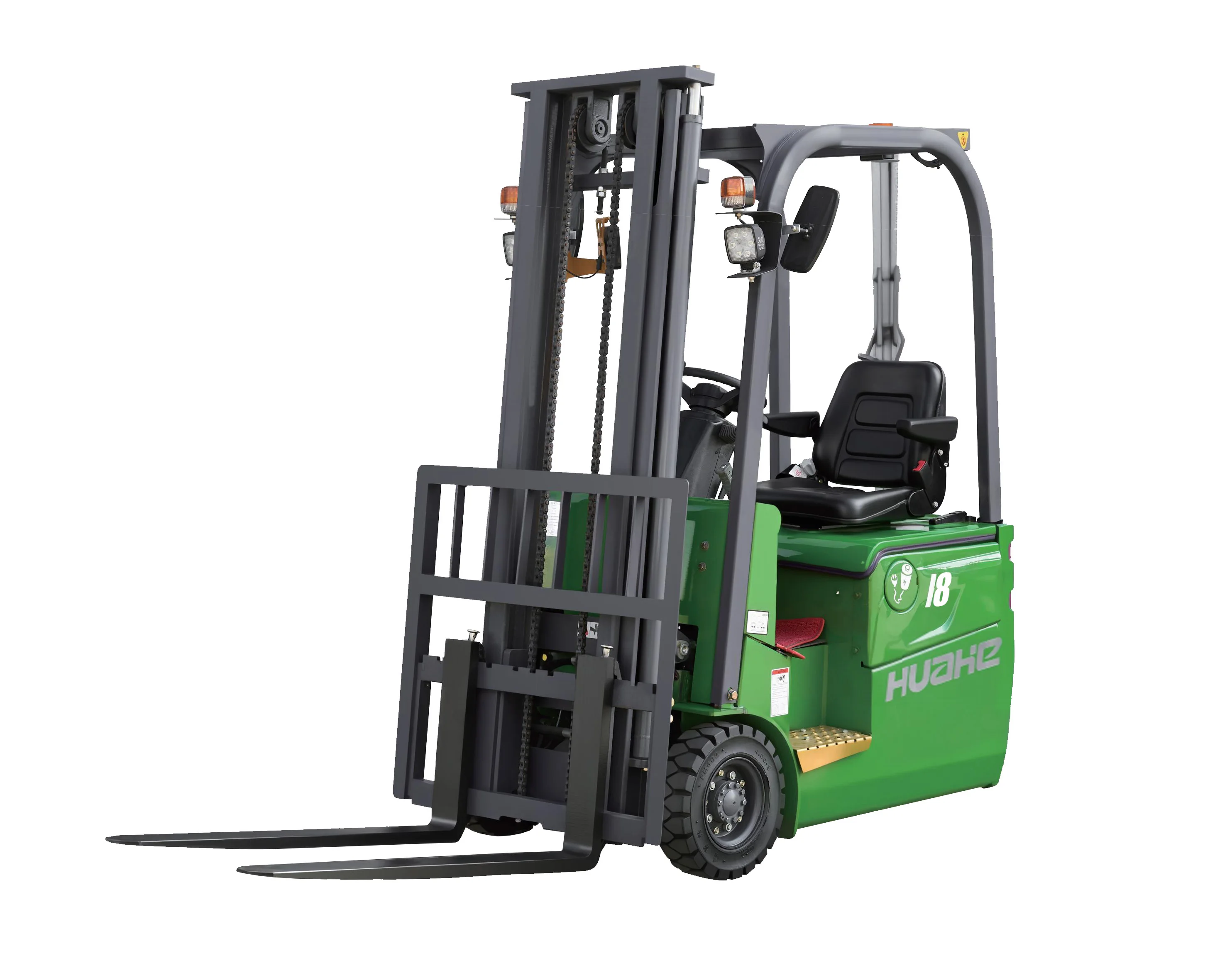
Modern Lithium Iron Phosphate (LiFePO4) battery packs achieve an electrical round-trip efficiency exceeding 95%, compared to roughly 70%~75% for legacy lead-acid systems. Coupled with high-efficiency AC traction and hydraulic motors, a premium electric forklift equipped with LFP technology consumes 25% to 30% less power to complete identical material handling cycles.
Eradicating Hidden Fleet Maintenance Costs
The Lead-Acid Bottleneck: Requires routine distilled water replenishment, equalization cycles, and acid spill remediation. Crucially, it demands dedicated, explosion-proof battery rooms that consume valuable warehouse real estate.
The Lithium-Ion Advantage: Features a hermetically sealed, maintenance-free pack architecture. By eliminating battery acid management, fleet operators eliminate 20+ technician hours per truck monthly while repurposing charging room square footage into revenue-generating storage rack space.
Opportunity Charging vs. Battery Swapping Downtime
Traditional multi-shift logistics requires 15 to 25 minutes per truck per shift for crane-operated battery extraction and replacement. In contrast, high-rate LFP power packs accommodate rapid opportunity charging during operator lunch breaks or shift changeovers (15–30 minutes), enabling true 24/7 continuous warehouse operations without battery room overhead.
2. Engineering & Field Validation: Sustained Torque and Rigorous Load Stability
A recurring question raised by warehouse managers evaluating fleet transitions is: "Can an electric forklift sustain peak hydraulic lifting speed and tractive effort under rigorous, continuous heavy-duty cycles?"
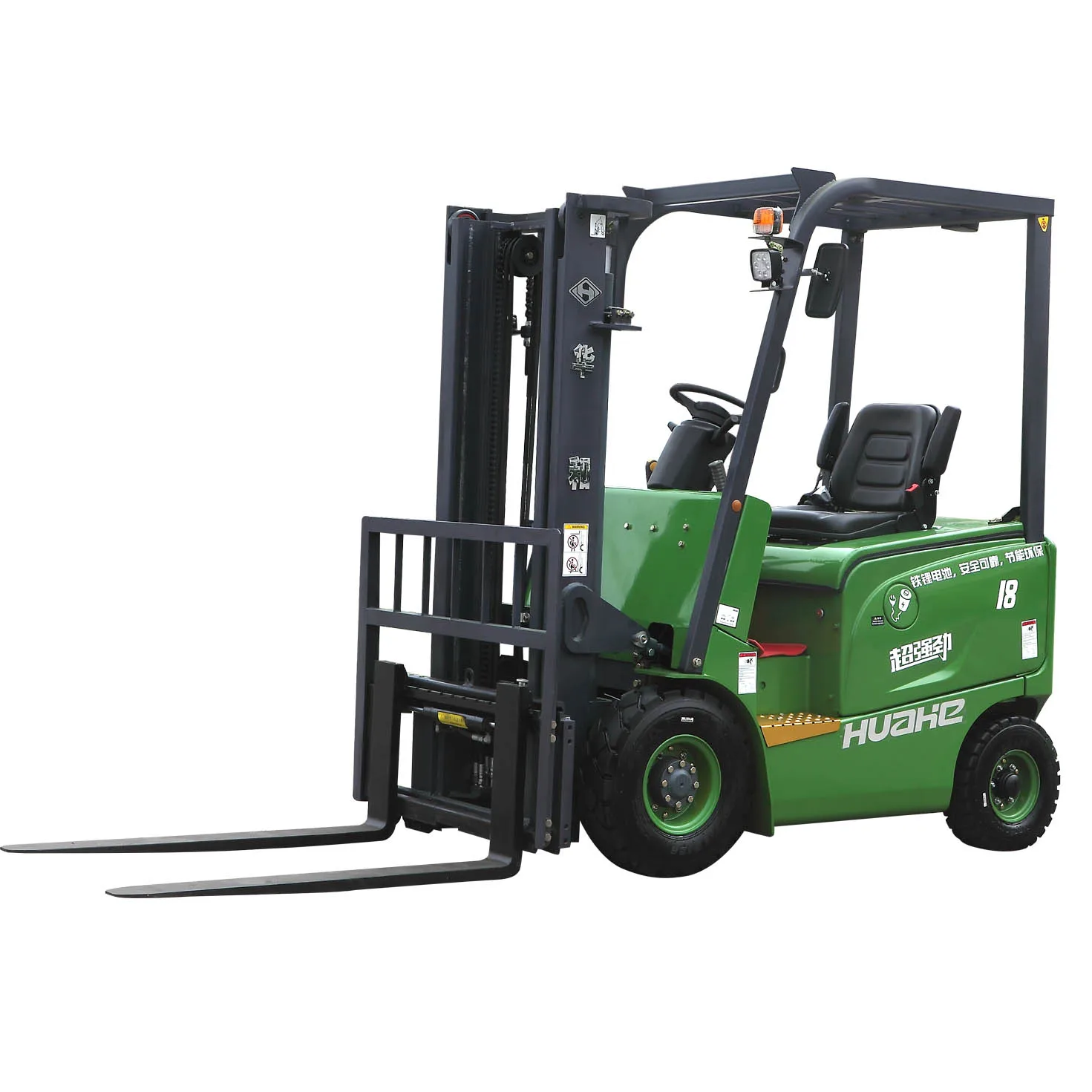
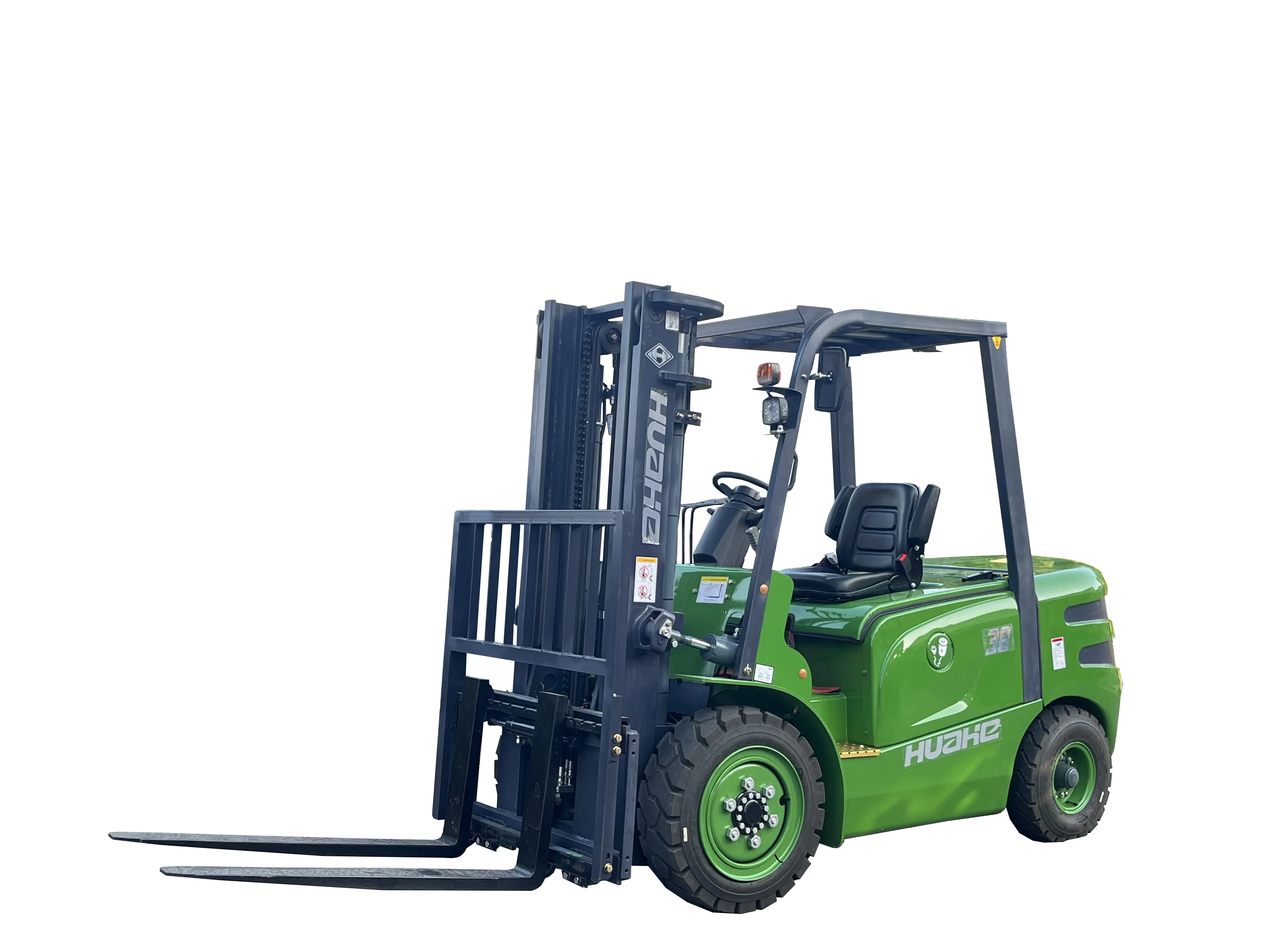
Comprehensive field trials spanning 2.5-ton to 3.8-ton counterbalanced electric forklifts reveal three distinct performance indicators:
Linear Discharge Voltage Platform: Unlike lead-acid batteries—which experience a steep voltage drop once depth-of-discharge (DoD) exceeds 50%, degrading lifting speeds by up to 20%—industrial-grade lithium-ion power units maintain stable nominal voltage output until 80%+ discharge. This ensures 100% rated lifting and travel torque throughout an 8-hour shift.
Gradient Start-Up & Anti-Rollback: Driven by responsive dual AC drive controllers, these units exhibit flawless anti-rollback performance on 15% to 20% loaded ramps, paired with millimeter-grade micro-inching precision during high-mast container destacking.
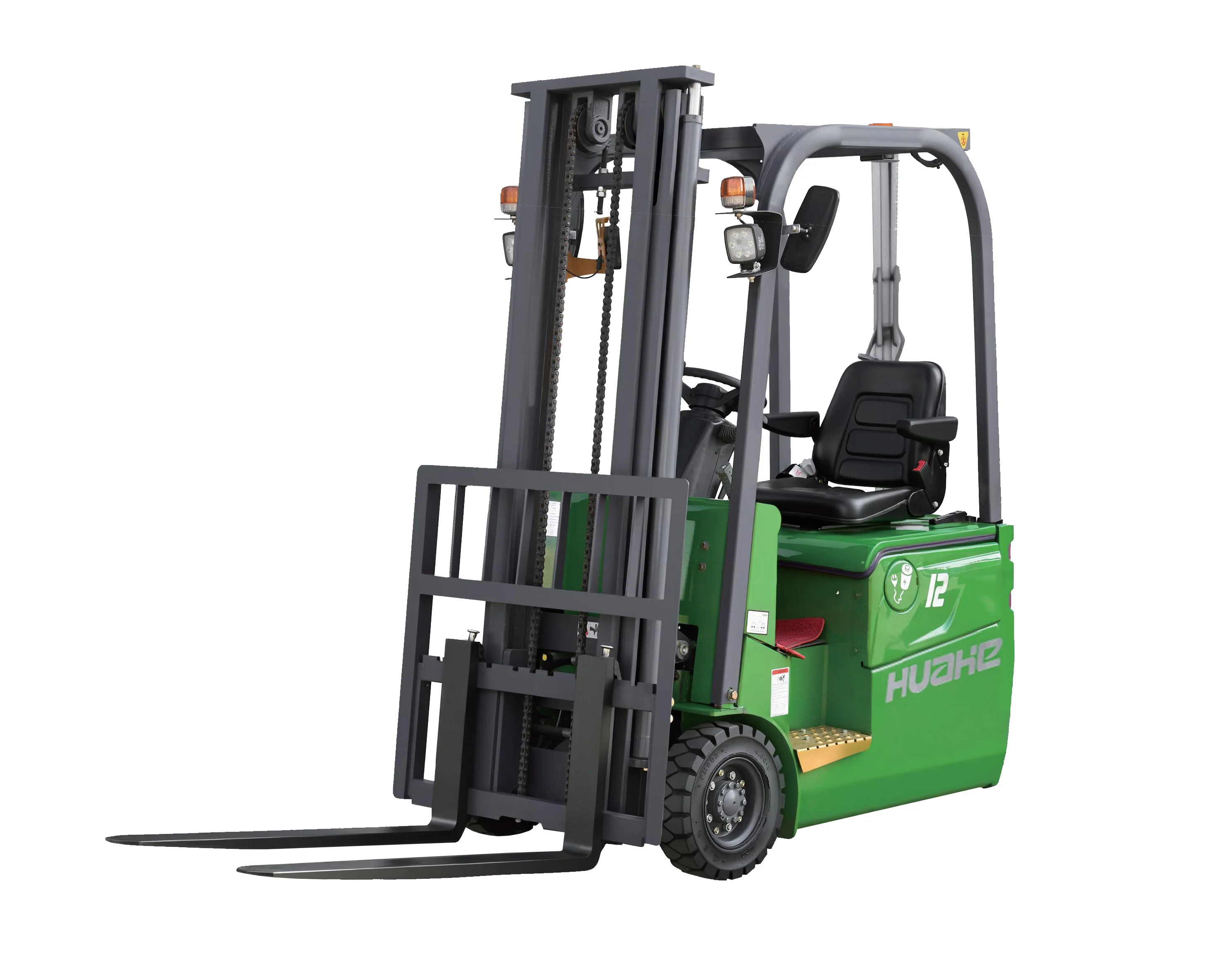
Optimized Turning Geometry: Engineered with an optimized steering axle and compact counterweight profile, modern lithium counterbalanced units achieve tighter turning radii, reducing right-angle stacking aisle requirements to under 3,800mm and enhancing volumetric warehouse density by 8% to 12%.
3. Global Compliance & Supply Chain ESG: Navigating CBAM and Battery Passports
In cross-border trade, equipment decarbonization has evolved into a mandatory supplier qualification requirement:
Carbon Accounting & CBAM Alignment: With the enforcement of Scope 1 and Scope 2 emission disclosures across North American and European logistics corridors, diesel exhaust emissions directly contribute to border carbon adjustment penalties. Transitioning to zero-emission material handling equipment mitigates regulatory liability.
Lifecycle Integrity & Traceability: Industrial LFP cells offer a service life of 3,500 to 4,000+ charge cycles while retaining over 80% initial capacity. Integrated intelligent Battery Management Systems (BMS) provide real-time state-of-health (SoH) diagnostics, fully complying with upcoming EU Battery Passport regulations and circular economy mandates.
4. Fleet Procurement & Decision-Making Checklist
Before signing capital supply contracts, plant and logistics directors should audit manufacturers against this four-pillar checklist:
Prioritize OEMs offering 5-year or 10,000-hour factory warranties on batteries, motors, and controllers
Final Thoughts: Engineering a Sustainable Fleet Strategy
Industrial equipment procurement is an exact engineering science. The data from 2026 leaves no ambiguity: persisting with high-maintenance, carbon-intensive equipment quietly erodes operating margins every single working day.
To calculate your fleet’s tailored Total Cost of Ownership (TCO) and explore optimal configurations for your facility, connect with our industrial material handling technical team today for a comprehensive operational audit.
 ×
×
 Hot News
 EN
EN