
 EN
EN



Unlocking Operational Excellence: What Are Industrial Forklift Core Features?
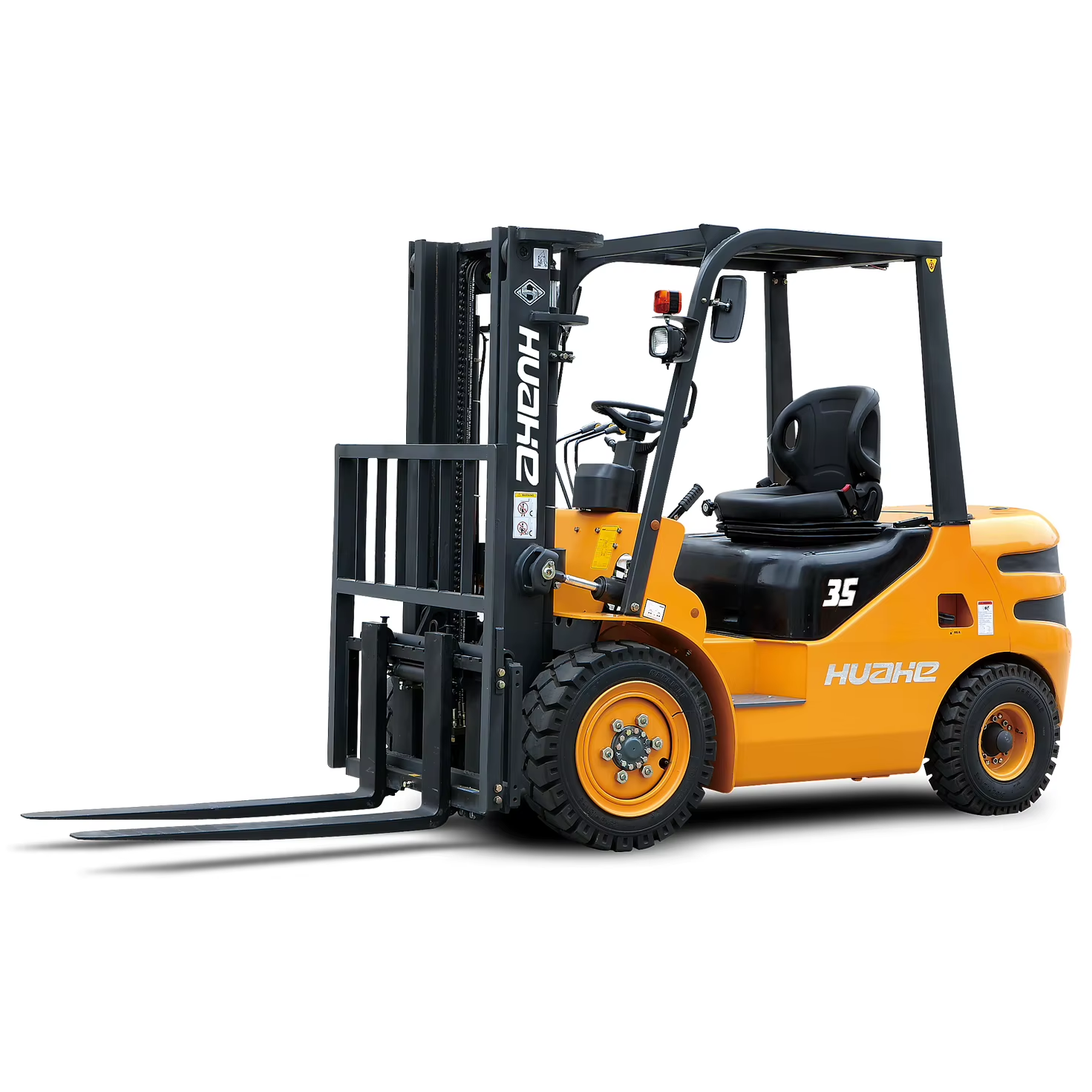
Navigating the bustling aisles of a modern distribution hub or managing heavy manufacturing logistics requires equipment that goes far beyond basic lifting. Selecting the right machinery often dictates whether an enterprise runs smoothly or faces costly bottlenecks. Far from being a simple mechanical device used merely to elevate goods from one point to another, a modern industrial forklift serves as the central circulatory engine of contemporary material handling. According to leading industrial engineering consultants and logistics optimization frameworks, mastering the technical specifications, structural anatomy, and operational capabilities of these heavy-duty workhorses is foundational for fleet managers seeking to maximize productivity. Drawing upon extensive field experience, deep technical expertise, and rigorous industry analytics, evaluating a premier industrial forklift requires looking far beyond surface-level specifications to examine four fundamental dimensions: advanced powertrain engineering, ergonomic operator safety, mechanical stability dynamics, and intelligent diagnostic maintenance systems. Furthermore, anchoring these technological choices in reliable manufacturing partnerships ensures long-term economic resilience and brand-building success.
The Power Behind the Lift: Powertrain Versatility and Dual Energy Systems
The absolute heartbeat of any reliable industrial forklift lies within its powertrain configuration, which must be engineered to withstand grueling, continuous duty cycles. Modern industrial facilities demand unprecedented flexibility, driving a significant technological transition between traditional, high-torque Internal Combustion engines and cutting-edge, high-capacity lithium-ion battery systems. Extensive field deployment experience demonstrates that heavy-duty outdoor operations—such as lumber yards, construction distribution centers, and port logistics—frequently rely on premium Japanese power units, including robust diesel engines or refined LPG configurations, to deliver sustained maximum torque under adverse weather conditions and rugged terrain. Conversely, climate-controlled indoor warehouses increasingly favor advanced lithium-ion electric variants that emit zero exhaust emissions, support rapid opportunity charging during breaks, and maintain consistent, voltage-stable power delivery throughout demanding multi-shift operations without experiencing performance degradation. This dual-energy adaptability allows enterprises to tailor their material handling fleets precisely to their environmental compliance and operational intensity needs.
Safeguarding the Operator: Ergonomic Engineering and Active Protection
Operator fatigue and human error remain among the leading catalysts for costly workplace accidents and inventory damage within industrial warehouses. International compliance benchmarks, including stringent safety certifications, mandate that advanced protective engineering must be intrinsically baked into the core architectural design of every industrial forklift. Cutting-edge ergonomic features—such as fully adjustable suspension seating, highly intuitive multi-way hydraulic finger-tip controls, panoramic wide-view mast designs, and heavily insulated low-noise operational cabins—significantly minimize physical strain, thereby enhancing driver alertness, precision, and shift-long productivity. Moreover, integrated active safety systems, including automatic speed reduction during sharp turns, seat-interlocked presence sensing, and heavy-duty overhead protective guards, form a protective shield around both the operator and high-value inventory. These design considerations align seamlessly with global occupational health and safety standards, reducing liability and fostering a secure, highly efficient working environment.
Mastering Balance: Structural Stability and Precision Maneuverability
The fundamental laws of physics dictate that stability dynamics are paramount when an industrial forklift handles extreme loads at maximum vertical lift heights. Whether deploying a compact three-fulcrum counterbalance model engineered specifically for tight, narrow-aisle warehousing environments or heavy-duty multi-ton electric trucks designed for rigorous industrial manufacturing lines, sophisticated weight distribution is non-negotiable. Advanced chassis design minimizes dynamic tipping risks while simultaneously preserving an exceptionally tight turning radius for fluid navigation through congested aisles. Rigorous stress-testing data and structural engineering audits confirm that high-grade alloy steel masts, reinforced load backrests, and optimized center-of-gravity profiles ensure remarkably smooth vertical and horizontal transport. These engineering features successfully eliminate excessive load sway, reduce cargo damage, and drastically elevate placement accuracy within high-density vertical racking systems.
Smart Maintenance: Diagnostics and Minimizing Total Cost of Ownership
In today's hyper-competitive and data-driven industrial marketplace, unexpected equipment downtime translates directly into catastrophic operational delays and lost revenue streams. Modern industrial forklift platforms integrate intelligent, cloud-connected smart diagnostic dashboards that continuously monitor real-time battery health, hydraulic fluid pressures, motor thermal thresholds, and automated preventive maintenance intervals. Leading facility engineers strongly advocate for modular mechanical designs that simplify component access, drastically minimizing technician repair turnaround times and routine servicing labor costs. By seamlessly combining intelligent energy management software with proactive, predictive fault-detection mechanisms, business enterprises can dramatically suppress their overall ownership expenses while simultaneously extending the operational lifecycle of their heavy capital investments.
Driving Long-Term Value Through Proven Manufacturing Partnerships
Ultimately, maximizing the long-term return on investment for your material handling fleet hinges entirely on the manufacturing prowess, engineering credibility, and supply chain reliability of your chosen equipment supplier. Established industry pioneers successfully bridge the critical gap between heavy-duty industrial performance and cost-effectiveness by enforcing rigorous factory quality control protocols and maintaining agile, direct-to-market supply chains. For instance, Huahe leverages an expansive, modern production infrastructure spanning vast acreage, supported by an impressive manufacturing capacity designed to fulfill high-volume international demands. By offering global clients robust diesel, LPG, and state-of-the-art lithium-ion electric forklift solutions alongside deeply customized OEM and ODM manufacturing services, Huahe exemplifies how manufacturing excellence empowers global supply chains. Aligning your enterprise with a trusted, certified manufacturer guarantees that your industrial forklift fleet is backed by steadfast engineering integrity, readily available global spare parts supply, and scalable logistics support tailored specifically to fuel your long-term business growth.
Table of Contents
- Unlocking Operational Excellence: What Are Industrial Forklift Core Features?
- The Power Behind the Lift: Powertrain Versatility and Dual Energy Systems
- Safeguarding the Operator: Ergonomic Engineering and Active Protection
- Mastering Balance: Structural Stability and Precision Maneuverability
- Smart Maintenance: Diagnostics and Minimizing Total Cost of Ownership
- Driving Long-Term Value Through Proven Manufacturing Partnerships