
 EN
EN



Technical Benefits Based on Tonnage
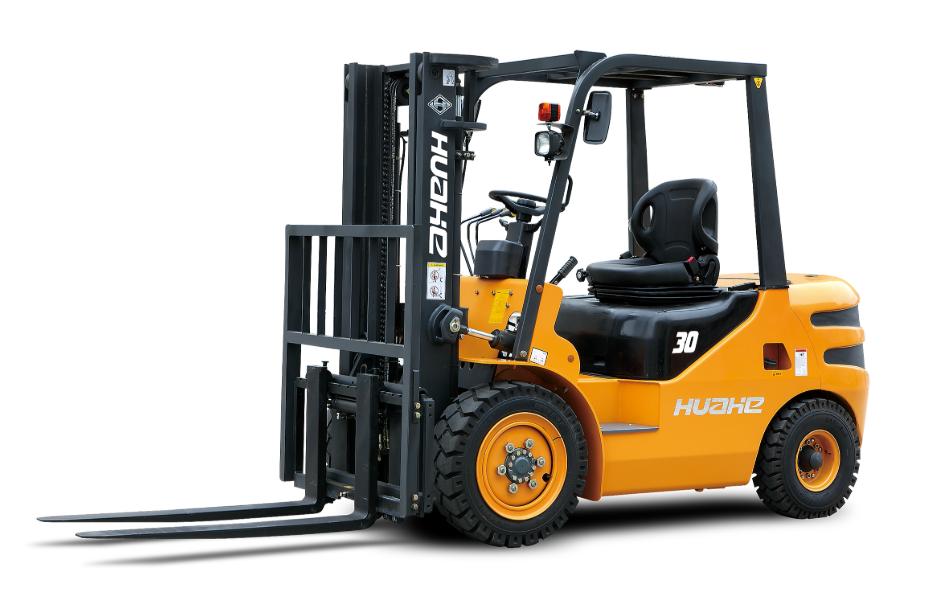
Forklifts are design differentiated by their tonnage class into small, medium and large sections and each section has its own specific design suited to operational requirements. Small tonnage class lifts which range from 1 to 3 tons are designed to be compact and flexible in structure. Most of these models use lithium batteries, which are fast charging and have zero emissions, to suit narrow indoor warehouse applications. Medium tonnage class lifts which have a range of 3.5 to 7 tons are designed to provide a balance between power and adaptability. These models can use power sources from LPG, gasoline, diesel, to lithium batteries. Note that diesel versions use imported heavy-duty work engines while lithium versions suit eco-friendly production requirements. Large tonnage class lifts, between 8 and 10 tons, are constructed using high strength steel frames and heavy-duty hydraulic systems. These models come with internationally certified high power lithium batteries or diesel engines for extreme heavy industrial materials handling. The global forklift industry is rapidly moving to diesel and lithium batteries for heavy duty work cost efficient environmentally safe production requirements.
Forklifts Pricing Logic for Different Tonnages
Power systems and production processes explain the price differentials across forklift tonnages. Small tonnage lithium forklifts are the most affordable, as price factors are confined to battery size and chassis construction design. For basic warehouse utilization, the 1 to 2 ton variants have the most accessible entry pricing. Medium tonnage forklifts are priced variably as they have have more power alternatives. LPG and gasoline engine forklifts have a price increment for imported engines compared to local ones, and lithium batteried models have a higher price but reduced operational costs. Given their structural design, core components, and rigid testing of each component for heavy load operation, large tonnage forklifts are most expensive are most expensive. Market trends indicate price stability and fairness for adjacent tonnages, meaning the exclusion of an excessive premium and the inclusion of value for the buyers.
Experience with Practical Scenario Matching
Over the years spent collaborating with factories and logistics companies, I have concluded certain rules for optimal tonnage selection under various circumstances. When considering small and medium-sized factories with indoor warehousing and light material handling, I believe that 1 to 3 ton lithium forklifts would be the best option. Their compact design allows them to maneuver narrow aisles, and their zero-emission system meets indoor environmental compliance. For heavy manufacturing workshops and outdoor logistics yards, 3.5 to 7 ton diesel or LPG forklifts are most appropriate, as they can endure heavy and frequent operational loads, and cope with various outdoor operational terrain. For large industrial plants and construction sites, 8 to 10 ton heavy duty forklifts become a necessity, particularly for large mold and heavy steel material relocations. A good example involves a mechanical manufacturing factory that chose a 5 ton forklift for 7 ton load work, which caused equipment damage and inefficiency. The solution was to operationalize a 7 ton forklift, and that improved work efficiency by 30 percent.
Commercial Value Of Tonnage Selection
Selecting the appropriate tonnage for your forklifts is essential as it affects the operational costs and efficiency of the factories Selecting a higher tonnage results in higher purchase and maintenance costs, while selecting a lower tonnage results in increased inefficiency and breakdowns. According to industry studies, a correctly sized forklift can lower operational costs by 20 to 30 percent Lithium battery forklifts, regardless of tonnage, are economically beneficial to operate as their energy costs are 1/3 of their fuel counterparts as well as having a 40% lower maintenance cost due to the absence of a complicated engine and gearbox. For large scale and continuous operations of factories, medium dual fuel forklifts provide a good option as they can operate on gas as well as LPG to provide cost effective and continuous operations, assisting in meeting both operational efficiency and cost reduction goals.
Certification and Quality Assurance Across All TonnagesThe dependable quality and global certification give us guarantee for the forklift uses and all tonnage forklifts need to comply with strict industry regulations Reputable manufacturers give the CE and ISO certification for their products and this shows that their products meet the global standards for safety and the environmentally conscious Small tonnage lithium forklifts are subjected to stringent tests to prove that the battery will not pose a fire and explosion risk, medium tonnage diesel forklifts are compliant with the national IV emission standards and have low polluting emissions and large tonnage heavy duty forklifts are subjected to load bearing and fatigue testing to prove the stable operation under prolonged heavy load conditions. The all primary components are ingine and hydraulic system and they are sourced from reputable manufacturers who have the guarantee for quality and custody and post sales service which reduces the downtime of the factory operation.
Global Supply Chain And Manufacturing Capacity
All tonnage forklifts require significant manufacturing capabilities and global supply chain management to meet both production and distribution demands. A competitive forklift production and assembly company can satisfy wide-scale custom manufacturing and assembly demands for global factories and meet the flexible leasing and bulk procurement purchasing needs of factories across diverse global markets through OEM and leasing partnerships. Additionally, the global distribution network that spans more than 130 countries ensures the timely delivery of forklift fabrication and assembly services and the provision of after-sales services for forklifts of all design specifications, whether they are built to a low tonnage standard design or to a high tonnage design specification. Extensive research and manufacturing capabilities support rapid global delivery of forklifts of all design specifications combined with the ability to supply all post-assembly services. Huahe's complete supply chain services make it the primary supply chain and manufacturing service partner for warehouses and factories worldwide.