
 EN



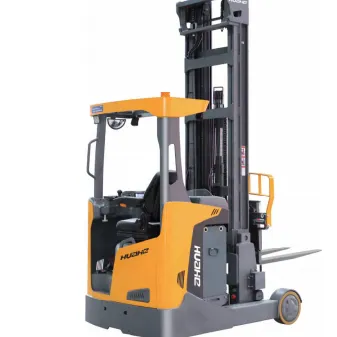
The Power Shift in Modern Material Handling
The global warehousing and logistics sector is undergoing a massive operational transformation, driven by the relentless demand for higher throughput, lower carbon footprints, and reduced maintenance downtime. For decades, material handling fleets relied heavily on internal combustion engines or traditional lead-acid battery systems, both of which carried significant operational limitations regarding emissions, refueling delays, and intensive daily upkeep. In response, forward-thinking warehouse managers and supply chain directors are accelerating the integration of lithium battery electric forklifts into their distribution centers. Successfully navigating this technological transition requires looking far past initial capital expenditures to examine advanced battery chemistry, charging flexibility, and long-term economic returns. Understanding these core advantages is the ultimate key to building a high-performance, future-proof material handling operation.
Technical Anatomy and Intelligent Battery Management
To make an informed fleet upgrade decision, operational teams must first understand the fundamental engineering differences powering modern lithium systems. Unlike legacy energy storage solutions, contemporary electric forklifts utilize advanced lithium iron phosphate chemistry combined with sophisticated Battery Management Systems. Drawing from years of hands-on experience in fleet auditing, thermal testing, and powertrain optimization, fine-tuning the active cell balancing and voltage regulation within the battery pack is what ensures maximum safety and extended operational longevity. Engineers design these power packs to maintain high energy density and stable voltage delivery, even under punishing multi-shift workloads. Furthermore, closed-loop thermal management prevents overheating during rapid charging cycles, ensuring absolute reliability in demanding industrial environments.
Performance Benchmarking and Operational Efficiency
Translating advanced electrochemistry into daily warehouse productivity requires rigorous performance benchmarking across energy conversion, charging speed, and uptime consistency. When comparing traditional lead-acid setups against modern lithium power, the operational divergence is stark. Lithium battery electric forklifts offer exceptional energy efficiency, converting a significantly higher percentage of electrical grid power into kinetic work while eliminating the voltage sag traditionally experienced as batteries discharge. More importantly, lithium technology supports flexible opportunity charging during standard rest breaks or shift changes. This capability removes the need for cumbersome battery swapping rooms and eliminates daily watering, acid spill risks, and ventilation requirements, allowing fleets to operate continuously with minimal manual intervention.
Total Cost of Ownership and Economic Viability
From a strategic business perspective, investing in lithium battery electric forklifts delivers profound financial benefits that far outweigh the initial purchase price. Although legacy setups may appear inexpensive upfront, their short operational lifespan, frequent maintenance requirements, and high electricity losses quickly inflate total cost of ownership. Lithium power packs last up to three times longer than traditional counterparts and operate with superior energy conversion rates, drastically cutting monthly utility and replacement expenses. Moreover, eliminating hazardous battery maintenance creates a safer work environment, reducing liability risks and protecting asset uptime. By aligning high operational availability with stringent environmental standards, enterprises can protect their bottom-line profitability while satisfying corporate sustainability goals.
Industrial Leadership and Fleet Integration Solutions
Executing a successful fleet modernization program requires the sophisticated engineering and manufacturing infrastructure of an experienced industry leader. Guiding global distribution centers through custom truck sizing, heavy-duty mast configurations, integrated lithium power matching, and comprehensive after-sales support demands deep technical expertise and reliable supply chain execution. Organizations like Huahe bring comprehensive domain experience to this sector, utilizing advanced manufacturing precision, rigorous quality control protocols, and robust electric forklift designs to deliver flawless material handling solutions. Whether assisting regional distribution hubs with agile equipment upgrades or executing high-volume fleet deployments for international logistics enterprises, Huahe focuses on delivering rugged, high-performance machinery that excels under demanding operational conditions. Partnering with a seasoned manufacturer ensures that every warehouse achieves optimal throughput, energy efficiency, and enduring commercial success.
Driving the Future of Sustainable Intralogistics
Adopting lithium battery electric forklifts across commercial distribution networks is no longer an experimental luxury; it is a fundamental pillar of modern, future-proof warehousing. By moving beyond legacy energy constraints and embracing advanced battery engineering, superior uptime, and responsible manufacturing, enterprises can achieve unprecedented operational velocity while honoring ecological commitments. As global demand for efficient, clean material handling continues to accelerate, investing in intelligent equipment partnerships is essential for forward-thinking brands. With industry leaders like Huahe driving precision, reliability, and innovation in electric forklift manufacturing, achieving a harmonious balance between high productivity, safety, and long-term fleet profitability has never been more attainable for operators around the world.