
 EN



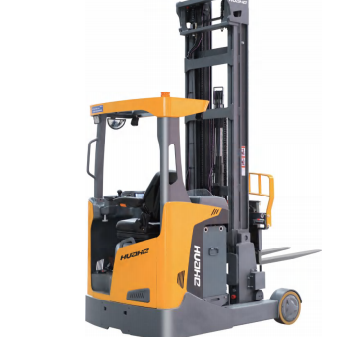
The Indispensable Role of the Counterbalance Forklift in Modern Industrial Yards
When plant supervisors and warehouse operations directors sit down to review heavy-duty logistics workflows across commercial distribution networks, one foundational machine almost always anchors the entire daily operation. Across years of consulting for busy manufacturing complexes, automotive assembly plants, and high-volume freight shipping ports, a universal operational truth becomes crystal clear: maximum facility productivity begins with reliable, adaptable load-handling machinery. Among all available fleet options on the industrial market, the traditional counterbalance forklift remains the undisputed heavy-duty backbone of material handling worldwide. Facilities dealing with heavy palletized freight, raw metal components, and bulky industrial crates rely heavily on these robust trucks for their straightforward handling dynamics and unmatched lifting capacity. Understanding the core engineering principles, operating mechanics, and economic benefits of these versatile vehicles allows supply chain decision-makers to optimize yard productivity, streamline loading docks, and ensure long-term operational safety across demanding multi-shift facilities. Furthermore, as global supply chains face accelerating demands for faster turnaround times and heavier freight volumes, the enduring adaptability of these rugged trucks ensures they remain central to industrial growth. Maintaining high productivity standards in modern logistics requires continuous evaluation of equipment performance across multi-shift environments, ensuring that material flow remains uninterrupted during peak operational periods and heavy seasonal demand surges. Efficient warehouse management relies heavily on robust machinery and thoughtful operational planning. Continuous workflow optimization remains critical for long-term commercial success in competitive distribution sectors.
Mechanical Design and Physics of Weight Distribution
The defining technical characteristic of any high-performance counterbalance forklift lies in its ingenious weight distribution architecture. Unlike reach trucks or specialized narrow-aisle stackers that utilize stabilizing outrigger legs to balance loads, a standard counterbalance unit relies on a massive cast-iron weight integrated directly into the rear chassis of the machine. This heavy rear counterweight directly offsets the heavy loads lifted on the forks at the front, creating a stable fulcrum effect based on fundamental principles of leverage and physics. During a recent distribution center engineering review, examining the chassis design of various industrial models highlighted how precise weight-to-capacity ratios prevent tipping while maintaining tight steering responsiveness in tight spaces. This clever engineering allows the machine to transport maximum loads safely without requiring auxiliary support structures, giving operators the freedom to pick and place goods directly against storage racks or transport vehicles. Advanced engineering also ensures superior stability across varying load centers, reducing operator fatigue and improving site safety during rigorous shifts. Precise weight distribution engineering remains vital for safe material handling operations across all commercial sectors and heavy industrial applications everywhere. Comprehensive safety protocols further enhance daily operational reliability.
Versatility Across Outdoor Yards and Loading Docks
Operational flexibility is a critical metric when facilities evaluate capital equipment investments for demanding industrial environments. A premium counterbalance forklift excels far beyond indoor warehouse aisles, proving exceptionally capable when deployed across rugged outdoor yards, asphalt loading ramps, and uneven staging areas. Equipped with robust pneumatic or solid cushion tires and powered by reliable internal combustion engines or high-capacity electric motors, these trucks conquer steep inclines and weather-beaten terrain without losing traction. In practical logistics operations, supervisors frequently depend on these units to transition smoothly from unloading open-top shipping containers in rainy outdoor yards straight into sheltered staging bays. This dual indoor-outdoor capability eliminates the need for specialized transfer equipment, simplifying fleet management and reducing overall capital expenditures for growing enterprises. Moreover, their weather-resistant components ensure consistent performance under harsh environmental conditions throughout daily operating cycles across various industrial sectors and challenging climates worldwide. Selecting durable machinery guarantees seamless operational continuity regardless of external weather fluctuations and environmental challenges. Reliable fleet versatility ultimately translates into superior operational efficiency.
Economic Longevity and Total Cost of Ownership Optimization
Beyond raw mechanical power, financial controllers and fleet directors must rigorously evaluate the long-term economic impact of heavy machinery acquisitions. According to comprehensive industry data compiled by industrial vehicle associations, a well-maintained counterbalance forklift offers one of the lowest operating costs per hour over a multi-year lifecycle compared to more complex, specialized narrow-aisle units. The sturdy chassis construction, simplified hydraulic systems, and accessible engine or battery compartments significantly streamline routine preventive maintenance. This inherent structural durability translates into minimal unexpected downtime and predictable repair expenses. When factoring in the total cost of ownership across a ten-year operational lifespan, investing in rugged, dependable counterbalance trucks ensures a highly sustainable return on investment and protects warehouse budgets from recurring maintenance drains. Furthermore, high residual resale values make these trucks a smart long-term capital asset for growing enterprises seeking financial stability and budget predictability. Strategic financial planning in material handling equipment directly supports long-term corporate growth objectives and operational stability. Sustainable asset management secures long-term profitability.
Empowering Heavy Industries Through Advanced Manufacturing Excellence
Succeeding in today's demanding global industrial sector requires far more than just dependable machinery; it relies on partnering with a dedicated manufacturer capable of delivering consistent engineering quality, responsive technical support, and robust global delivery solutions. Huahe stands at the forefront of this industrial sector, integrating state-of-the-art production lines, rigorous multi-stage quality control protocols, and a resilient global supply network to produce durable, high-performance material handling solutions. Whether an organization is expanding an existing fleet, retrofitting a major distribution hub, or designing a high-density manufacturing facility from the ground up, Huahe seamlessly combines industry-leading craftsmanship, competitive manufacturing capabilities, and dedicated supply chain support to empower industrial partners and drive long-term global success across diverse commercial markets worldwide.
Table of Contents
- The Indispensable Role of the Counterbalance Forklift in Modern Industrial Yards
- Mechanical Design and Physics of Weight Distribution
- Versatility Across Outdoor Yards and Loading Docks
- Economic Longevity and Total Cost of Ownership Optimization
- Empowering Heavy Industries Through Advanced Manufacturing Excellence