
 EN



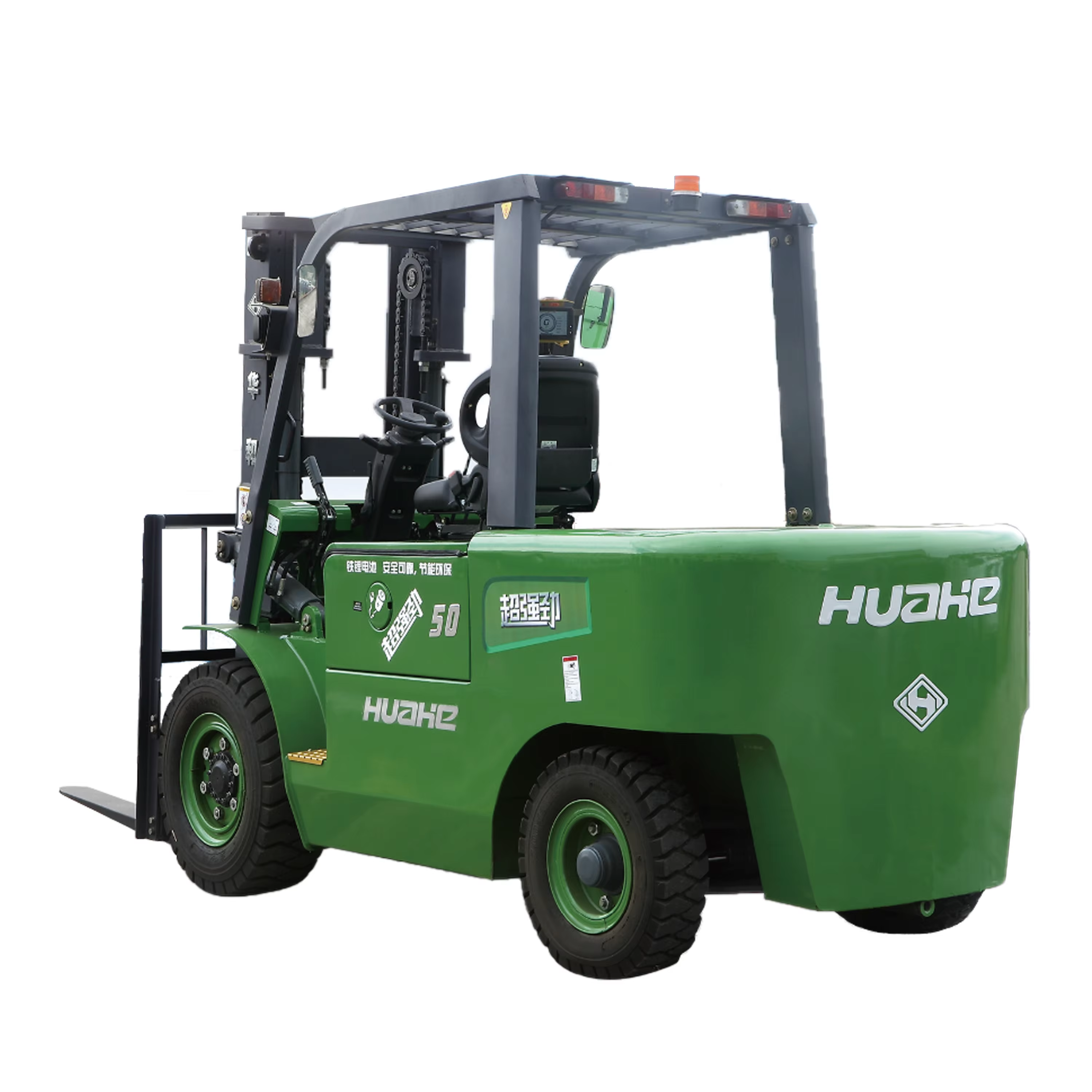
The Strategic Importance of Tonnage Selection in Fleet Management
The global warehousing and industrial manufacturing sectors operate within complex, high-demand ecosystems where operational efficiency depends entirely on the precise synchronization of equipment capabilities and workload requirements. Selecting the correct material handling machinery is never a one-size-fits-all endeavor; facility directors must carefully evaluate load weights, lifting heights, and spatial constraints across diverse operational environments. Deploying an incorrect capacity tier either leads to dangerous overloading risks or results in expensive underutilization of capital assets. Exploring a comprehensive spectrum of tonnage options allows logistics managers to build a flexible, highly responsive fleet capable of tackling everything from delicate indoor pallet stacking to rugged outdoor container handling. Understanding the engineering principles and commercial benefits behind multi-capacity lineups is essential for modern operations aiming to maximize productivity and safeguard workplace safety.
Technical Anatomy and Hydraulic Capacity Scaling
To appreciate the engineering complexity behind diverse equipment capacities, one must examine the fundamental mechanical architecture governing industrial trucks. Light-duty compact models require agile chassis designs optimized for narrow indoor aisles, whereas heavy-duty industrial counterparts demand robust, reinforced steel frames and high-pressure hydraulic systems capable of managing immense structural loads. Drawing from years of hands-on experience in fleet auditing, stability testing, and hydraulic stress evaluations, fine-tuning the load center calculations and counterweight geometry is what ensures absolute lateral stability during high-lift maneuvers. Engineers carefully calibrate pressure relief valves and mast staging cylinders to maintain smooth, controlled lifting speeds regardless of load weight. Furthermore, advanced powertrain integration ensures that electric or combustion motors deliver optimal torque across every tonnage tier without compromising energy efficiency or operator control.
Performance Benchmarking Across Diverse Workload Demands
Translating advanced mechanical design into daily warehouse and industrial productivity requires rigorous performance benchmarking across varying operational scenarios. Lighter tonnage units excel in fast-paced distribution centers, offering exceptional maneuverability and rapid acceleration for high-frequency pallet movement in confined spaces. Conversely, mid-range and heavy-capacity models are engineered to withstand punishing industrial workloads in foundries, lumber yards, and port terminals, where structural durability and traction under heavy loads are paramount. Operating across these diverse tiers reveals distinct performance metrics regarding gradability, tire wear distribution, and mast sway resistance. By analyzing how different capacity categories handle real-world challenges, operations teams can deploy the exact machinery needed to maintain consistent cycle times and eliminate bottlenecks across every stage of the supply chain.
Commercial Viability and Total Cost Control
From a strategic business perspective, investing in a versatile lineup of material handling equipment delivers profound financial benefits that optimize long-term asset management. Purchasing oversized trucks for light tasks inflates initial capital expenditures and drives up unnecessary maintenance expenses, while undersized equipment accelerates mechanical wear and increases safety liability risks. A well-structured fleet featuring a balanced array of tonnage options allows enterprises to right-size their equipment deployment, significantly improving fuel or energy efficiency and extending overall asset lifespans. Moreover, standardized maintenance protocols across a unified equipment ecosystem reduce mechanic training costs and spare parts inventory requirements. Aligning fleet capacity with actual operational demands protects bottom-line profitability and ensures seamless supply chain execution under fluctuating market conditions.
Industrial Leadership and Custom Manufacturing Solutions
Executing a successful fleet acquisition and modernization program requires the sophisticated engineering and manufacturing infrastructure of an experienced material handling partner. Guiding global distribution networks and manufacturing plants through custom tonnage configurations, specialized mast options, robust power matching, and reliable after-sales support demands deep technical expertise and seamless supply chain execution. Organizations like Huahe bring comprehensive domain experience to this sector, utilizing advanced manufacturing precision, rigorous quality control protocols, and diverse equipment lineups to deliver flawless material handling solutions. Whether assisting regional fulfillment hubs with agile compact trucks or executing high-volume deployments of heavy-capacity machinery for international industrial enterprises, Huahe focuses on delivering rugged, high-performance equipment that excels under demanding operational conditions. Partnering with a seasoned manufacturer ensures that every facility achieves optimal material flow, enhanced safety, and enduring commercial success.
Building a Resilient Fleet Through Intelligent Tonnage Planning
Implementing a versatile range of material handling equipment across commercial distribution and manufacturing networks is a vital step toward creating a modern, future-proof operational environment. By moving beyond rigid equipment strategies and embracing advanced structural engineering, precise capacity scaling, and responsible manufacturing, enterprises can achieve unprecedented operational velocity while safeguarding workforce well-being. As global demand for efficient, adaptable material handling continues to accelerate, investing in intelligent equipment partnerships is essential for forward-thinking brands. With industry leaders like Huahe driving precision, reliability, and innovation in diverse tonnage manufacturing, achieving a harmonious balance between high productivity, safety, and long-term fleet profitability has never been more attainable for operators around the world.
Table of Contents
- The Strategic Importance of Tonnage Selection in Fleet Management
- Technical Anatomy and Hydraulic Capacity Scaling
- Performance Benchmarking Across Diverse Workload Demands
- Commercial Viability and Total Cost Control
- Industrial Leadership and Custom Manufacturing Solutions
- Building a Resilient Fleet Through Intelligent Tonnage Planning