
 EN



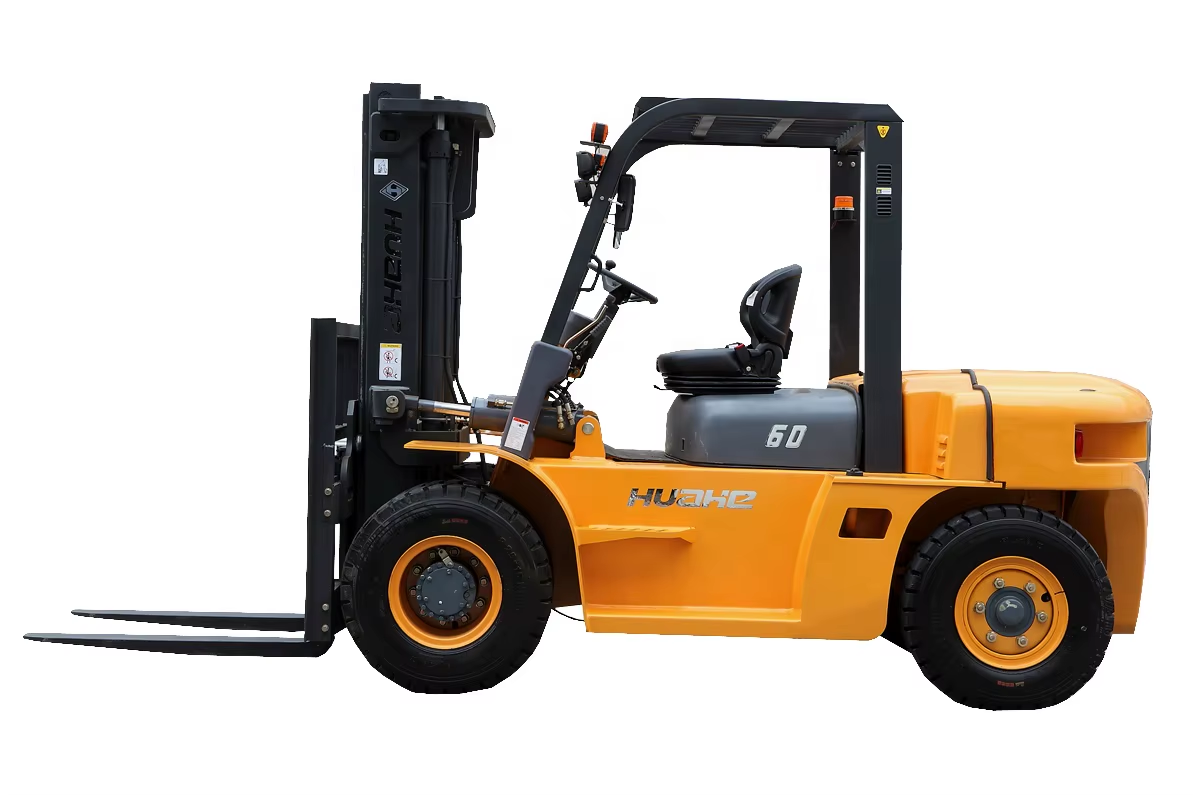
The Strategic Advantages of Forklift Rental in Modern Logistics
The modern global logistics ecosystem operates in a state of constant flux, driven by seasonal demand surges, fluctuating e-commerce fulfillment volumes, and unpredictable supply chain bottlenecks. For distribution center managers, maintaining an adequately sized material handling fleet without locking up vital liquid capital is one of the most persistent operational challenges. Relying entirely on permanent capital purchases can leave warehouses over-leveraged during slow periods or severely under-equipped during peak trading windows. In response, forward-thinking logistics directors are increasingly turning to strategic forklift rental models as a powerful tool for operational agility. Successfully choosing the right rental program requires moving beyond basic hourly rates to evaluate equipment specifications, service level agreements, and long-term financial flexibility.
Technical Anatomy and Fleet Specification Criteria
Selecting the appropriate rental unit demands a rigorous technical assessment of warehouse infrastructure, load characteristics, and environmental parameters. Unlike purchasing decisions where long-term versatility is prioritized, rental choices must be precisely tailored to immediate operational requirements. Drawing from years of hands-on experience in fleet auditing, aisle dimension mapping, and weight distribution analysis, matching the correct load capacity, mast staging configuration, and tire compound to the specific job is critical for safety and productivity. For instance, indoor high-rack storage demands compact electric trucks with tight turning radii and quad-mast capabilities, whereas rugged outdoor yards require heavy-duty internal combustion models with pneumatic tires and high ground clearance. Understanding these technical nuances prevents costly downtime and ensures seamless workflow integration from day one.
Performance Benchmarking and Operational Flexibility
Translating equipment selection into daily warehouse productivity requires rigorous performance benchmarking across uptime reliability, energy efficiency, and operator ergonomics. When evaluating rental providers, logistics managers must analyze the operational condition and age profile of the available fleet. Modern rental units equipped with advanced lithium power or efficient hydraulic systems guarantee consistent lifting speeds and eliminate the performance degradation often found in aging machinery. Furthermore, flexible rental agreements allow operations teams to scale their fleet size up or down dynamically, absorbing sudden throughput spikes without straining permanent resources. This high degree of adaptability ensures that fulfillment centers maintain steady cycle times, meet strict shipping deadlines, and protect customer satisfaction levels during peak demand cycles.
Total Cost of Ownership and Capital Preservation
From a strategic financial perspective, transitioning a portion of material handling assets to a rental model delivers profound economic benefits that protect corporate bottom lines. Purchasing a fleet outright incurs heavy depreciation, ties up borrowing capacity, and shifts the financial burden of major maintenance, part replacements, and regulatory compliance entirely onto the warehouse operator. Rental agreements typically bundle comprehensive maintenance and rapid-response servicing into a predictable monthly operating expense, effectively eliminating unexpected repair liabilities and reducing administrative overhead. By preserving liquid capital for core business expansion, enterprises can maintain robust financial health while enjoying immediate access to well-maintained, high-performance machinery.
Industrial Leadership and Custom Rental Support Solutions
Executing a successful equipment rental strategy requires partnering with a trusted material handling manufacturer that offers robust engineering, flexible supply programs, and reliable technical backing. Navigating complex fleet sizing, custom attachment requirements, and rapid deployment schedules demands deep industry expertise and a resilient supply chain network. Organizations like Huahe bring comprehensive domain experience to this sector, utilizing advanced manufacturing precision, rigorous quality control protocols, and versatile equipment lineups to support global logistics partners. Whether assisting regional distribution hubs with short-term seasonal equipment supplements or providing tailored long-term fleet leasing solutions for international supply chains, Huahe focuses on delivering rugged, dependable machinery backed by responsive service support. Partnering with a seasoned industrial provider ensures that every rental deployment achieves optimal operational efficiency and enduring commercial success.
Maximizing Supply Chain Agility Through Smart Equipment Leasing
Integrating forklift rentals into commercial logistics operations is no longer just a tactical fix for temporary shortages; it is a fundamental pillar of modern, flexible fleet management. By embracing strategic leasing, precise technical specifications, and responsible operational planning, enterprises can achieve unprecedented agility while safeguarding capital resources. As global trade dynamics continue to evolve, investing in smart equipment partnerships is essential for forward-thinking brands aiming to stay competitive. With industry leaders like Huahe driving excellence, reliability, and innovation in material handling manufacturing and support, achieving a perfect balance between operational readiness and financial flexibility has never been more attainable for supply chain operators around the world.
Table of Contents
- The Strategic Advantages of Forklift Rental in Modern Logistics
- Technical Anatomy and Fleet Specification Criteria
- Performance Benchmarking and Operational Flexibility
- Total Cost of Ownership and Capital Preservation
- Industrial Leadership and Custom Rental Support Solutions
- Maximizing Supply Chain Agility Through Smart Equipment Leasing