
 EN
EN



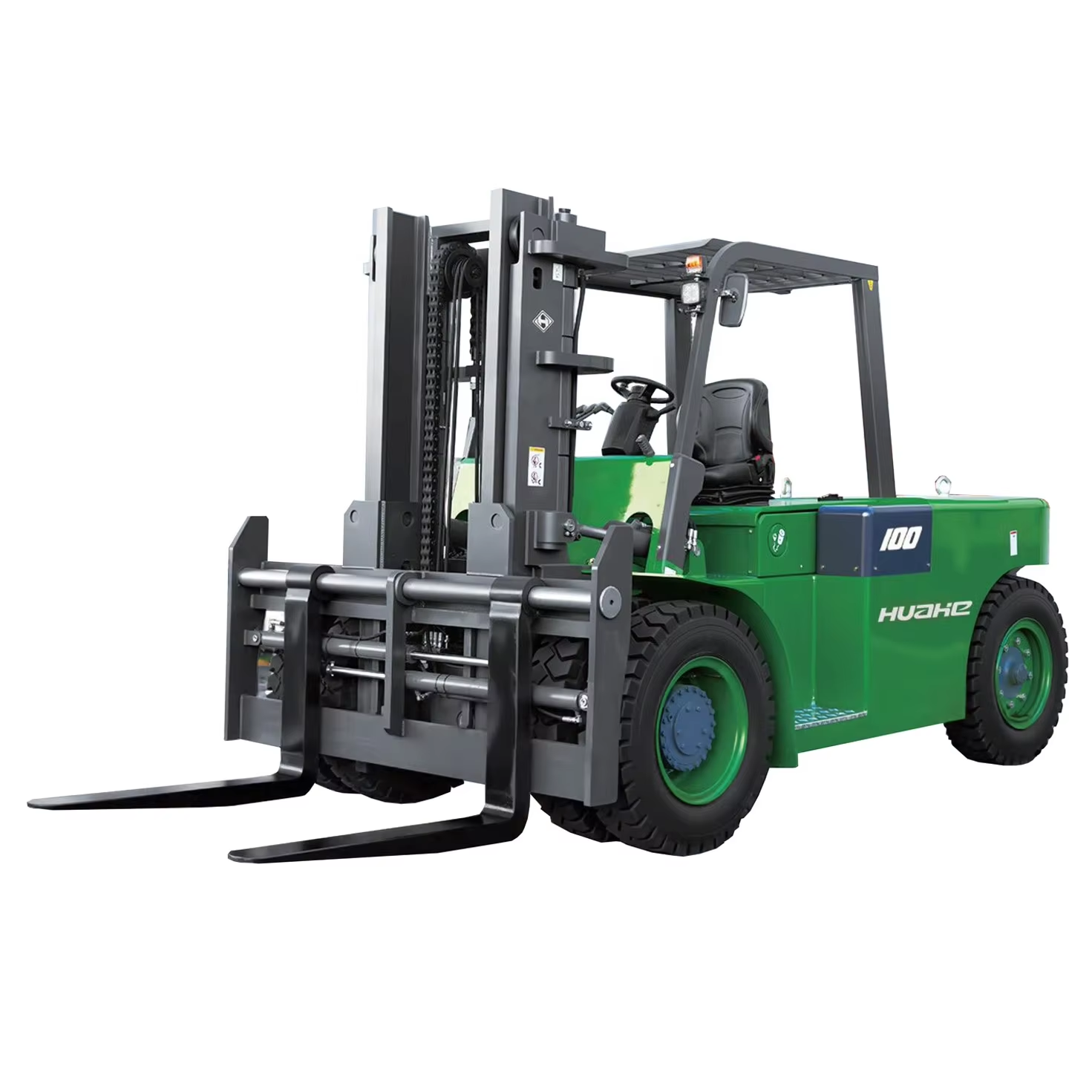
Pre Operation Safety Inspection
A thorough pre-shift inspection establishes the basis for safety and efficacy in the operation of narrow-aisle forklifts. In the past 10 years of experience in warehouse logistics on-site management, we have been able to observe and identify that over 60% of minor faults and potential risks and hazards are usually easily identified and prevented. Before starting the narrow aisle forklifts, check the battery power and charging in the lithium battery, the fuel tank is full, there are no oil leaks in the hydraulic system, and the brake and steering system are responsive, and that the tires are in good shape and the pressure is adequate. Safety enforcement agencies, including OSHA, have stated that pre operation checks are mandatory to protect unit personnel and material from injury and damage. Narrow aisle forklifts have stricter requirements for stability. Do not operate a unit that has missing bolts, abnormal operating noises, or loose components. A defective unit will not be able to perform high precision narrow aisle operation.
Correct Operation Posture and Control Mastery
Safe driving posture and proficient control also have a direct impact on stability and safety in confined locations. Upon entering the cab, use the handrails and steps to sit securely, adjust your seat and rearview mirror for visibility, and fasten your seat belt. Narrow aisle forklifts are equipped with compact steering and precision control systems. Operators should understand the functions of the load aids so as to not steer incorrectly. Training materials for the industry suggest that maintaining a stable upper body, and relaxed lower limbs, helps with control during protracted tasks. Do not stick any part of your body outside the frame to avoid hitting the cargo or the walls. Familiarity with the controls and the application of reasonable pressure can improve operational precision and lower the physical effort required.Driving Guidelines for Cramped Spaces
When driving in narrow and constricted spaces, moving slowly and paying attention to your surroundings is of utmost importance. The key to moving through narrow spaces is to keep steady, and avoid rapid movements and steering. The width of narrow aisle warehouses is often only slightly wider than the forklift. Ensure the forks are kept at a safe, high position and maintain a linear driving position. When driving towards turns, potential obstructions or exits, sound the horn to indicate your presence to nearby personnel. Experts recommend driving at a low speed in narrow spaces to maintain adequate time for response actions to the surroundings. Always be conscious of the distances to your surroundings and use monitoring devices to assist in eliminating blind spots. Driving stably is important for collision prevention and the safety of personnel and goods.
Skillful Loading and Unloading
The ability to load and unload goods is the primary contributing factor to the value of narrow aisle forklifts. When approaching the cargo station, ensure the forks are aligned with the pallet and perform a steady, controlled approach. Keep forks horizontal and fully engaged. Once the goods are secured, lift the load and rise to required height. Avoid lifting or lowering your forks while driving. This can shift your center of gravity, causing a tip over. Industry operation guides also define load center and recommend keeping the center of gravity of the goods in the center of the forks to prevent unbalanced loading. When stacking goods at an elevated position, use your side shift function to position the forks laterally. When placing the goods, be sure to avoid any form of impacts. A skilled operator has the ability to load and unload goods, quickly and efficiently, within narrow aisle. This is crucial in increasing the storage efficiency and overall turnover of the warehouse.
Post Operation Maintenance and Parking Specifications
The Standard Operation Treatment post Maintenance Parking Specifications ensures the integrity and prolonged service life of the forklift and safety of the site. Upon completion of the operation, the forklift driver is required to park at the designated parking area, lower the forks to the ground, cut off the power, engage the handbrake, and remove the key. Carry out a basic appearance inspection. Clean the vehicle of all the debris. Check for leaks and damages to components. For lithium battery models, charge the battery as per the battery level to help maintain battery life. Professional maintenance records show that the rational standard maintenance practice reduces the failure rate of the forklift and increases the efficiency of operation over a long period of time. Optimal parking and maintenance habits satisfy the requirements of safety management, reduce the costs of operation, and provide a solid base for reliable equipment for the operation of the store.
Equipment Support and Enterprise Strength
In terms of reliable equipment performance supporting standardized operation of narrow aisle forklifts, HUAHE devotes itself to the R&D and manufacturing of handling equipment, and with an annual output of 10,000 units, its large modern production base provides narrow aisle supporting forklift products of stability and reliability to customers worldwide. The company’s products span over various tonnage models and work widely and recognized in narrow aisle storage applications in over 130 countries and regions. The combination of quality equipment and standardized operation skills offers an unparalleled level of space efficiency and operational productivity, thus a substantial value to the warehousing and logistics operations.