
 EN
EN



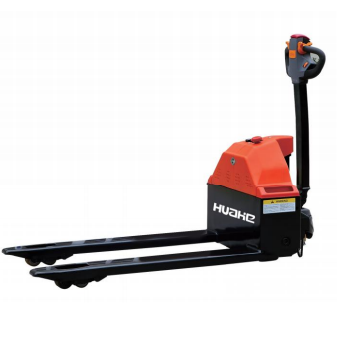
Pre-Operation Inspection
Electric pallet jacks are sophisticated pieces of equipment and they need to be treated with engineering and operational respect. Detailed pre-shift inspections should be the rule and never the exception. From my ten years of warehouse management experience, most small accidents and operational downtime are the result of neglecting pre-use inspections. Operators should check the remaining battery life first as a low charge may prevent the jack from functioning for the entire shift. Then, check the hydraulic system, the forks for any bends or cracks. Operators should also check that the brake and steer mechanisms work. Inspect the jack for any tire damage, clean the work area and the jack to avoid obstructions that may affect driving. Safety laws from the International Logistics Equipment Association state that a standardized pre-operation inspection should be the norm to lower the malfunctioning equipment failure rate by over thirty percent. Only after all inspections are jacks put into operation so that the groundwork is set for efficient and safe operation.
Operation and Control Basics
Electric pallet jacks have user-friendly control handles and simplistic designs that allow new employees to quickly learn and master techniques. However, with a motorized drive, electric pallet jacks and controls must be mastered. Operators must learn full control of the pallet jack and practice steady standing and control handling techniques. Starting with the pallet jack, the control handle, and the speed from a stand still to gradually change speed, all needs to be done without injury to others. Control, speed sensitivity, and momentum uses must also be applied while turning to ensure the load remains on the pallet jack and to ensure the jack does not hit. Additionally, a number of non-playable characters include user-friendly designs that reduce operator fatigue. Electric pallet jack handling, as opposed to manual handling, greatly increases work efficiency.
Practices for Safe Loading and Unloading
Protecting the integrity and safety of the personnel is topped by safe loading and unloading. Operators should adhere to the equipment rated load and avoid excessive load. In picking up goods, forks should be aligned to the pallet entrance; forks should also be parallel and pushed in completely. The pallet should then be raised slowly to an appropriate height (5-10 cm is the suggested height) to avoid the instability of the cargo. When transporting, the goods should be kept at a low height to lower the center of gravity and to avoid the transporting equipment hitting obstacles. Unloading should be done by slowly lowering the load until the pallet is confirmed to be stably placed on the ground then the forks should be pulled out. Standard loading and unloading procedures have been shown, by industry safety data, to reduce safety incidents and cargo damage by 50%. Safe operation protects working equipment and creates a safe working environment for the operators.
Driving rules in warehouses
The layout of warehouses is notoriously complicated, with narrow walkthroughs, tall shelves, and countless workers walking about. For this reason, there are rules that drivers in warehouses must abide to. Drivers in the warehouse should always remain at low speeds, particularly at large openings and pedestrian crossings. Be sure to to maintain a distance from shelves, equipment, and workers to avoid collisions. When driving in the same direction as other vehicles, do not attempt to change lanes/paths to create an overtake situation. Lastly, when driving in reverse, ensure that the area is clear on the outside, and use the warehouse horn to signal as required. For warehouses that are particularly busy, separated driving paths for electric pallet jacks should be designed. If these rules are adhered to, hazards caused by disorganized driving will be mitigated.
Daily Maintenance and Longevity
In addition to protecting the electric pallet jack's performance capabilities, proper daily maintenance can make the jack more durable. Each day, pallet jack users should empty the jack's forks and chassis to keep the pallet jack clean. Keeping the jack's battery charged, but not over charged, should be done regularly, as well. Also, be on the lookout for wear on parts, like brakes and tires. Damaged or worn down parts should be replaced as soon as possible. Lubrication and system maintenance should be done routinely to reduce failure. If maintained, electric pallet jacks can sustai high efficiency, reduce maintenance costs and downtime, and create stable revenue for a warehouse to operate.
Support for Enterprise Solutions and Equipment Choice
Selecting the best electric pallet jack improves efficiency in warehouse operations. HuaHe provides excellent electric pallet jacks with the features of operational stability and long-lasting energy supply. Providing excellent value for multiple warehouse operation scenarios. HuaHe has the largest modern enterprise production base and the custom manufacturing capability for the varying demand of the wide range of enterprise custom solutions. Global supply chain system complemented by the service system provides HuaHe with the ability to manage service responses to the customer product routing requests. Enhancing the enterprise product competitiveness with operational routing system adjustments.