
 EN



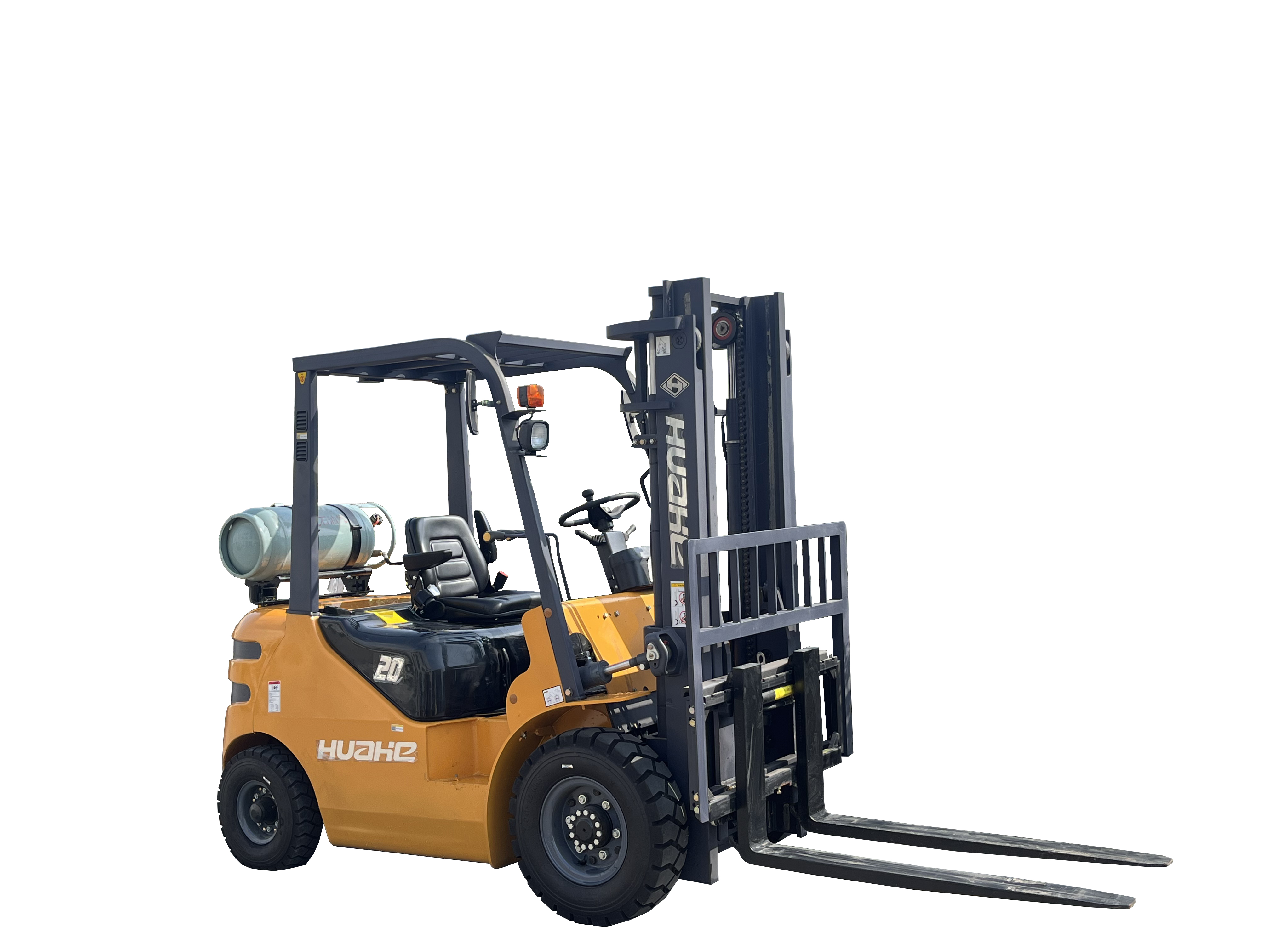
The Evolution of Material Handling and the Rise of Propane Power
When industrial managers and warehouse directors sit down to map out logistics strategies for heavy-duty distribution hubs or busy manufacturing plants, a familiar challenge always surfaces across global markets. Finding material handling equipment that packs the raw, heavy-duty punch of traditional diesel units while strictly complying with indoor safety standards and strict emissions caps is no small feat. This exact operational balancing act is why propane-fueled machinery has become a cornerstone of efficient fleet management worldwide. Facilities transitioning to modern liquefied petroleum gas systems consistently discover a strategic advantage that drives up daily productivity without ballooning capital expenses. As international environmental regulations continue to tighten, logistics teams face intense pressure to slash carbon footprints without sacrificing shift output or tolerating frustrating equipment downtime. Grasping the underlying mechanical advantages and operational efficiencies of these specialized trucks empowers decision-makers to elevate workplace safety and boost financial returns while maintaining smooth, uninterrupted workflow across every single shift of the working week. Furthermore, adopting internal combustion propane trucks offers unmatched reliability during peak periods when supply chains face sudden surges in freight volume, fluctuating seasonal demands, and increasing operational complexity. Beyond immediate performance metrics, forward-thinking organizations recognize that upgrading material handling fleets represents a fundamental commitment to long-term sustainability, workplace safety, and maximized operational agility in an increasingly competitive global industrial landscape.
Unmatched Operational Versatility Across Indoor and Outdoor Terrains
One of the core technical strengths of an advanced propane-powered truck lies in its exceptional multi-environment capability across diverse operating zones. Traditional diesel machinery is typically restricted to outdoor loading yards because of heavy particulate exhaust and loud engine noise, whereas standard battery-electric models can struggle when deployed across uneven outdoor terrain, wet loading docks, steep ramps, or freezing winter conditions. In contrast, internal combustion engines running on liquefied petroleum gas deliver steady high torque, reliable acceleration, and consistent lifting performance regardless of ambient temperature swings or severe weather fluctuations. Operations teams frequently observe these units seamlessly transitioning from unloading heavy shipping containers in an open-air yard directly into a well-ventilated, high-density storage facility without missing a single beat. This remarkable adaptability completely eliminates the need for cumbersome transfer equipment or specialized hybrid fleets, keeping warehouse floor layouts streamlined and maximizing asset efficiency across every operational zone without slowing down daily throughput or compromising stringent safety standards. Moreover, the robust suspension and heavy-duty chassis design found in quality units ensure operator comfort and structural longevity even when operating continuously across rough pavement and demanding industrial surfaces.
Maximizing Fleet Uptime Through Rapid Cylinder Replenishment
In high-throughput supply chains, unexpected equipment downtime acts as a silent profit killer for modern enterprises. Facility planners often evaluate fleet efficiency through the lens of energy replenishment, noting a stark contrast between traditional battery charging and gas cylinder swaps. Electric forklifts usually demand dedicated charging infrastructure, specialized cooling periods, and six to eight hours of recharging downtime—often requiring expensive backup battery banks and taking up valuable floor space. On the other hand, swapping out an empty fuel cylinder for a full one takes a trained operator less than five minutes, virtually eliminating fueling delays. For distribution centers running demanding multi-shift schedules around the clock, this swift turnaround translates directly into higher throughput, dependable scheduling, and smooth operations during peak seasonal demand rushes. Furthermore, quick cylinder replacement entirely avoids the safety hazards associated with acid spills or heavy industrial battery handling, creating a much safer daily working environment for warehouse staff while keeping labor productivity exceptionally high throughout demanding operational cycles. This reliable uptime guarantees that warehouse managers can meet tight shipping deadlines and maintain optimal inventory flow without unexpected logistical bottlenecks.
Economic Efficiency and Total Cost of Ownership Optimization
Financial strategy and capital allocation demand rigorous scrutiny from operations directors and financial controllers alike in today's competitive business environment. Industry data consistently indicates that propane trucks generally feature lower initial acquisition costs when compared to complex high-voltage electric setups that require specialized heavy-duty chargers, electrical grid overhauls, and designated charging bays. When calculating the total cost of ownership across a multi-year lifecycle, propane-powered trucks provide a highly predictable financial structure. Cleaner combustion compared to diesel engines creates significantly less oil sludge, lower exhaust soot, and minimal component wear over time, provided that routine preventive maintenance is maintained. This dependable longevity, paired with straightforward fuel storage and lower handling overhead, delivers a solid and sustainable return on investment for growing enterprises looking to scale efficiently without unexpected capital drains or hidden operational costs eating into overall profit margins during challenging economic cycles. Additionally, the ease of fuel procurement and bulk cylinder delivery models offers organizations predictable budgeting flexibility that helps stabilize long-term facility operational expenditures.
Empowering Global Logistics Through Advanced Manufacturing Excellence
Succeeding in today's fast-paced international supply chain requires far more than just dependable machinery; it relies on partnering with a dedicated manufacturer capable of delivering consistent engineering quality, responsive technical support, and robust global delivery solutions. Huahe stands at the forefront of this industrial sector, integrating state-of-the-art production lines, rigorous multi-stage quality control protocols, and a resilient global supply network to produce durable, high-performance material handling solutions. Whether an organization is expanding an existing fleet, retrofitting a major distribution hub, or upgrading overall warehouse capabilities, Huahe combines precision craftsmanship, competitive manufacturing capabilities, and dedicated supply chain support to empower industrial partners and drive long-term global success across diverse commercial markets worldwide.
Table of Contents
- The Evolution of Material Handling and the Rise of Propane Power
- Unmatched Operational Versatility Across Indoor and Outdoor Terrains
- Maximizing Fleet Uptime Through Rapid Cylinder Replenishment
- Economic Efficiency and Total Cost of Ownership Optimization
- Empowering Global Logistics Through Advanced Manufacturing Excellence