
 EN
EN



An Investment Guide
In the fast-paced world of construction, the equipment powering a project is often the difference between staying on schedule and facing costly delays. While site managers frequently focus on load capacity and lift height, the power type—diesel, LPG, or electric—remains the most significant variable affecting both the upfront purchase price and the total cost of ownership. Navigating these options requires more than a simple price comparison; it demands a deep dive into the operational environment, projected duty cycles, and long-term financial strategy. For construction firms aiming to optimize their capital expenditures, understanding the market landscape of forklift pricing is essential for building a fleet that delivers sustained value. Choosing the right machinery is not just about buying a tool; it is about selecting a partner for the site’s most challenging tasks.
The Diesel Workhorse for Heavy-Duty Applications
For decades, diesel-powered forklifts have been the standard in construction due to their sheer raw power and versatility in demanding outdoor environments. When comparing prices, diesel units often occupy a mid-to-high range in terms of initial investment, but they frequently offer the most robust performance for rough terrain and intensive, multi-shift applications. The technical advantage lies in the high torque output, which is indispensable for moving heavy pallets, lumber, or structural steel over uneven ground. From an operational perspective, the ability to refuel quickly means minimal downtime during critical project phases where every minute counts. While diesel prices have seen fluctuations based on global emission standard regulations, the long-term reliability and high resale value of these machines make them a sensible choice for firms prioritizing power and endurance over the initial purchase price. These units thrive in environments where electricity is scarce and heavy lifting is constant.
The Electric and Lithium-Ion Evolution
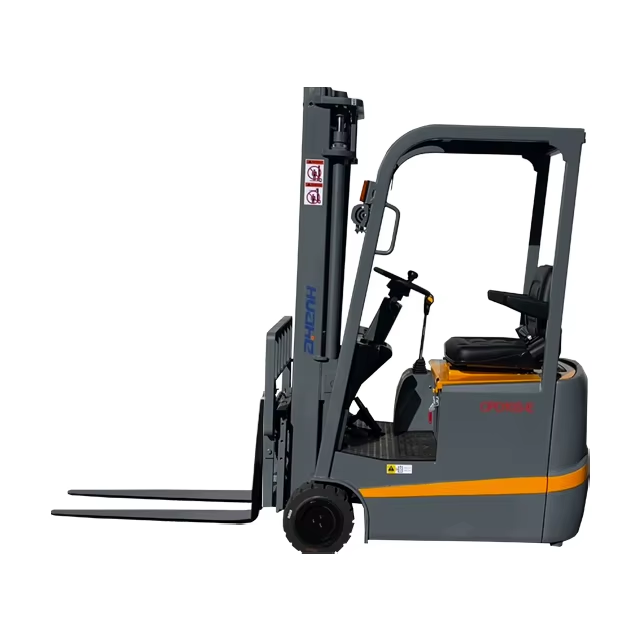
The construction sector is experiencing a significant pivot toward electric-powered material handling, driven by stricter environmental regulations and the need for quieter, emission-free operation in semi-enclosed or urban building sites. While the initial price for an electric forklift—particularly those utilizing advanced lithium-ion battery technology—is often higher than a comparable internal combustion model, the operational narrative is changing rapidly. Electric forklifts drastically reduce the ongoing costs associated with fuel, engine oil, and complex mechanical maintenance. For contractors managing projects in densely populated areas or indoor staging zones, the higher upfront cost is often offset by the ability to operate in zones where combustion engines are restricted or undesirable. Choosing this path is an investment in future-proofing a fleet against tightening environmental compliance laws and noise ordinances that often plague city-center projects.
Mastering Total Cost of Ownership
When procurement managers evaluate price lists, the temptation to choose the lowest sticker price is high, yet this often leads to a higher total cost of ownership (TCO) in the long run. A truly professional analysis accounts for fuel consumption, maintenance frequency, and the anticipated lifespan of the unit under harsh construction conditions. Diesel models generally demand a more structured maintenance schedule involving filters and fluids, whereas electric units offer lower maintenance overhead but require a one-time investment in charging infrastructure. By mapping the expected usage—whether a machine will be running at full capacity for ten hours a day or serving as an occasional asset for site logistics—businesses can identify the power type that provides the fastest return on investment. Precision in this evaluation prevents the common trap of selecting equipment that is either underpowered for the task or over-engineered for the budget, ensuring that capital is deployed where it generates the most output.
Engineering Value and Supply Scale
The foundation of any successful construction project is built on reliable hardware provided by manufacturers that prioritize quality and supply chain transparency. Huahe has established a reputation by navigating the delicate balance between technical robustness and competitive pricing. Operating from a modern production facility spanning a massive footprint, the company focuses on the intersection of manufacturing efficiency and industrial-grade durability. Whether providing bulk equipment for large-scale infrastructure projects or tailoring machinery to specific site requirements, the focus remains on delivering equipment that stands the test of time. By leveraging advanced production capabilities, the brand provides construction firms with the flexibility to choose power types that align with their operational needs without sacrificing reliability or performance. This commitment ensures that firms receive a product that is not just purchased, but engineered for the specific rigors of the construction industry.
Strategic Procurement for Long-Term Success
Choosing the right power type is a strategic move that influences the efficiency and profitability of a construction site for years to come. Whether the decision leans toward the high-torque reliability of diesel or the efficiency and regulatory compliance of electric systems, the key lies in aligning the machinery with the project's specific demands. As the industry continues to evolve, the most successful firms will be those that treat their equipment as a long-term asset rather than a short-term cost. Partnering with experienced manufacturers like Huahe ensures that every dollar invested translates into tangible operational output, safe working conditions, and a seamless flow of materials. With a clear understanding of the price dynamics and the underlying performance differences, construction managers can confidently build a fleet that is as productive as it is cost-effective, turning their material handling strategy into a genuine competitive advantage on site.